A dedicated yoga space should be more than functional—it should inspire presence, calm, and connection. One of the most impactful ways to elevate your yoga room is through intentional flooring choices. An ethnic area rug does more than cover a floor; it anchors the room in culture, warmth, and intention. When thoughtfully selected and styled, these rugs transform a simple corner into a sanctuary that supports deeper focus, grounding, and spiritual resonance during practice.
Ethnic rugs—handwoven pieces from regions like Morocco, Turkey, India, or Central Asia—carry generations of craftsmanship and symbolic meaning. Their textures invite tactile awareness, their colors influence mood, and their patterns can serve as subtle focal points for meditation. Integrating one into your yoga space isn’t just about aesthetics; it’s about creating an environment that nurtures mindfulness from the ground up.
The Role of Flooring in Yoga Practice
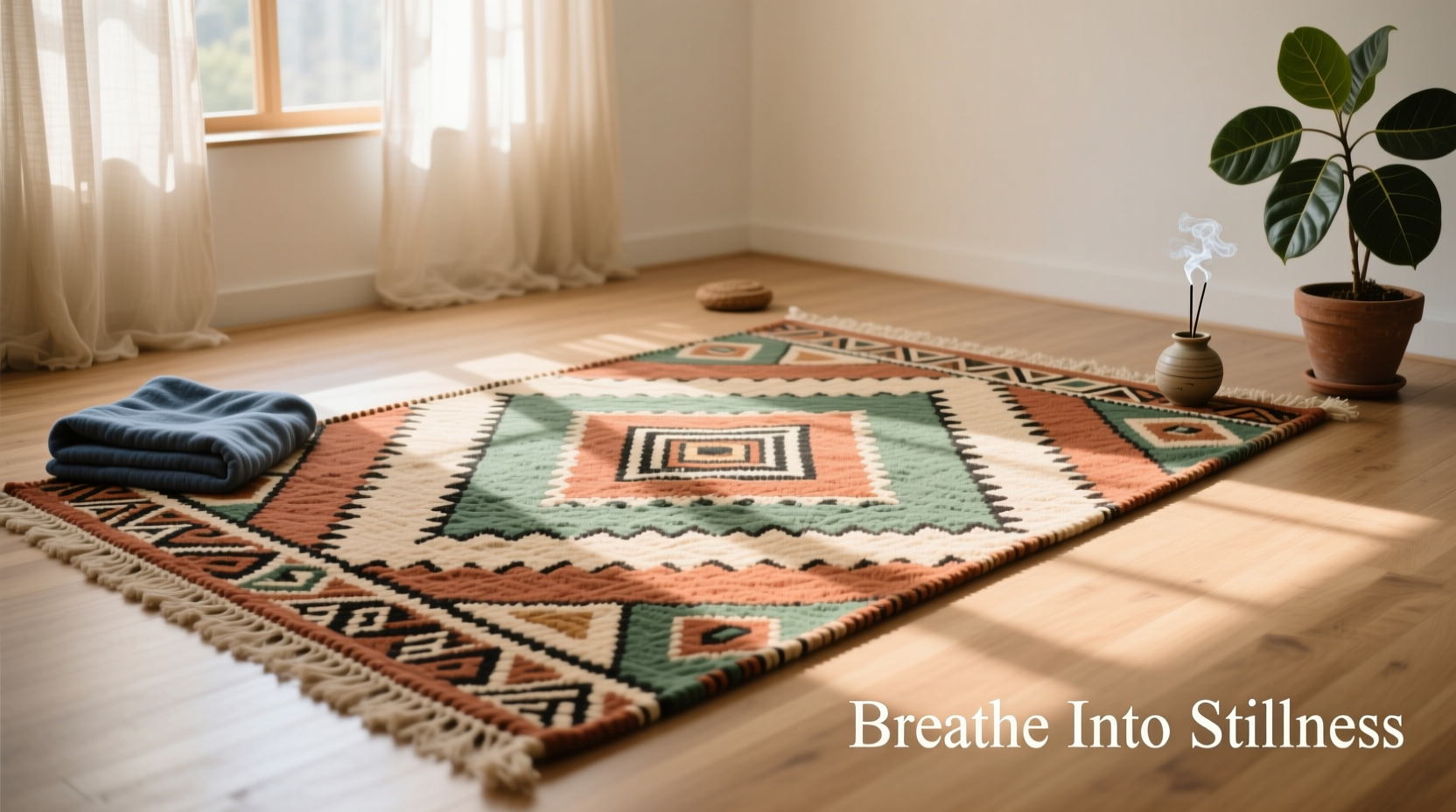
Your foundation matters—literally. In yoga, the surface beneath you affects balance, joint support, and energetic flow. While modern mats provide grip and cushion, they rest on something larger: the floor. A bare hardwood or cold tile can feel sterile and disconnecting. That’s where an ethnic area rug becomes transformative.
These rugs offer natural insulation, reducing sound and temperature transfer while adding softness underfoot. More importantly, they introduce organic textures and irregularities that subtly engage proprioception—the body’s sense of spatial orientation—deepening physical awareness during poses.
“Grounding begins not just in the feet but in the environment. A textured, soulful floor invites slower breathing and deeper presence.” — Lila Mehta, Holistic Interior Designer & Yoga Instructor
Choosing the Right Ethnic Rug for Your Space
Not all rugs serve the same purpose. When selecting an ethnic rug for a yoga room, consider three core factors: material, size, and symbolism.
- Material: Wool is ideal for its durability, moisture-wicking properties, and natural flame resistance. Cotton rugs are lighter and easier to clean but may lack cushion. Avoid synthetic blends—they tend to slip and trap heat.
- Size: The rug should extend beyond your mat on all sides, ideally allowing space for seated meditation or pranayama. A 5x8 ft or 6x9 ft rug typically works well.
- Symbolism: Many ethnic rugs feature motifs tied to protection, unity, or spiritual journey—like the Turkish “evil eye” or Persian boteh (paisley), symbolizing life and eternity. Choose a design that resonates with your personal intentions.
Styling Your Yoga Room Around the Rug
Once your rug is in place, let it guide the room’s overall aesthetic. Think of it as the centerpiece—not just decor, but the energetic heart of the space.
- Build a color palette from the rug’s hues. If your Moroccan Beni Ourain rug features ivory wool with charcoal lines, echo those tones in cushions, wall paint, or drapes. Limit additional colors to two or three to maintain serenity.
- Layer mindfully. Place your yoga mat directly on the rug. Add a folded blanket or bolster nearby in a complementary fabric, such as hand-dyed indigo cotton, to reinforce the handmade quality.
- Frame the space. Use low wooden shelves, bamboo screens, or hanging textiles to define the yoga zone without blocking airflow or light.
- Include natural elements. Pair the rug with potted plants, river stones, or a small fountain to amplify earth energy (prithvi) and grounding.
| Rug Type | Best For | Yoga Considerations |
|---|---|---|
| Moroccan Boucherouite | Colorful, eclectic spaces | Thick texture; great for seated postures but may require a flatter mat on top |
| Persian Heriz | Traditional, grounded rooms | Dense weave; excellent durability and sound absorption |
| Turkish Kilim | Bright, airy studios | Flat weave; pair with thicker mat for comfort |
| Indian Dhurrie | Minimalist, warm interiors | Lightweight; easy to rotate seasonally |
Real Example: Transforming a Home Corner into a Sacred Space
Sophia, a Vinyasa teacher in Portland, converted a sunlit alcove into her daily practice area. She chose a vintage Turkish kilim with deep reds and geometric diamonds—a traditional motif representing balance. She layered it over cork flooring for eco-friendly insulation and placed her recycled rubber mat centered on the rug. Bamboo blinds filter morning light, and a teak shelf holds a singing bowl, mala beads, and a journal. “The rug changed everything,” she says. “It doesn’t just look beautiful—it feels like I’m stepping into a ritual every time I unroll my mat.”
Maintaining Your Rug and Practice Space
To preserve both the rug and the sanctity of your yoga room, establish a simple care routine:
- Vacuum gently once a week using a handheld attachment—avoid beater bars that can damage fibers.
- Rotate the rug every few months to ensure even wear, especially if sunlight hits one side.
- Air it out occasionally by opening windows or taking it outside for a few hours (avoid direct UV exposure).
- Spot clean with a mix of mild soap and water; blot, don’t rub.
Do’s and Don’ts of Styling with Ethnic Rugs
| Do’s | Don’ts |
|---|---|
| Choose natural fibers for breathability and grounding | Use synthetic underlays that trap moisture |
| Align the rug with the room’s focal point (e.g., window, altar) | Crowd the space with too much furniture |
| Incorporate one or two matching textiles (pillows, throws) | Mix too many cultural styles—stick to a cohesive theme |
| Let the rug breathe—leave space around edges | Place heavy, immovable objects on top long-term |
Frequently Asked Questions
Can I practice hot yoga on an ethnic wool rug?
Yes, but with precautions. Wool is naturally moisture-resistant and regulates temperature well. However, ensure the room is well-ventilated to prevent mustiness. If sweating heavily, place a microfiber towel over your mat to absorb excess moisture and protect the rug underneath.
How do I know if a rug is authentic and ethically sourced?
Look for transparency in sourcing. Reputable sellers provide details about the weaver, region, and materials. Handmade rugs often have slight imperfections and variations in dye—signs of authenticity. Avoid deals that seem too cheap; fair trade practices mean fair pricing.
Should I use a rug pad?
A breathable, non-slip natural rubber or jute pad can help stabilize the rug, especially on slick floors. Avoid plastic-backed pads, which inhibit airflow and can degrade natural fibers over time.
Bringing Intention to Every Thread
An ethnic area rug is more than décor—it’s a vessel of heritage, artistry, and mindfulness. When chosen with care and styled intentionally, it elevates your yoga room from a mere physical space to a living extension of your practice. Each thread tells a story, each pattern echoes ancient wisdom, and every time you step onto it, you honor both the craft and your own journey inward.
Begin today: assess your current space, explore one handmade rug option, and visualize how it might deepen your connection to breath, movement, and stillness. Let the ground beneath you reflect the peace you seek within.
🚀 Ready to transform your practice space? Share your rug-inspired yoga room setup in the comments or tag us—your sanctuary could inspire others to ground deeply and rise fully.








