Choosing the right baseball cap might seem like a simple decision—until you're standing in front of a rack filled with embroidered logos, minimalist designs, and clean, unadorned panels. The debate between embroidered and plain baseball caps isn't just about aesthetics; it touches on identity, function, longevity, and even personal branding. Whether you're building a wardrobe, outfitting a team, or selecting merch for your brand, understanding the real value behind embroidery can save you money, elevate your image, and ensure your caps stand the test of time.
The Aesthetic Divide: Statement vs. Versatility
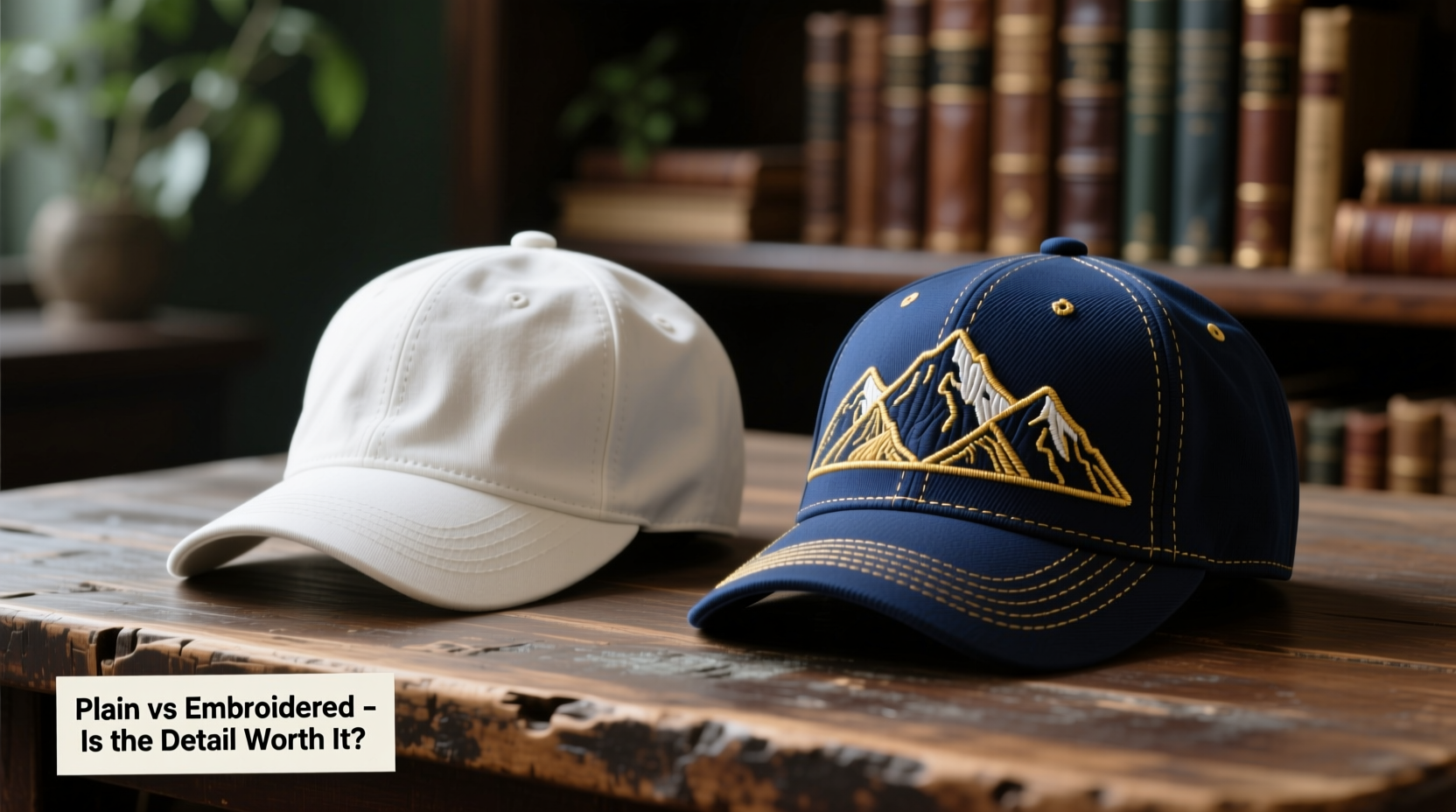
At first glance, the most obvious difference lies in appearance. Embroidered caps make a statement. Whether it's a bold logo, a stylized monogram, or a subtle brand mark stitched above the brim, embroidery adds character. It signals affiliation—be it to a sports team, a company, or a lifestyle brand. This kind of visual identity has power. It turns a cap into more than an accessory; it becomes a symbol.
Plain caps, by contrast, are chameleons. Their strength lies in neutrality. A solid black or navy cap with no embellishment pairs effortlessly with streetwear, business casual, or athletic gear. It doesn’t compete with your outfit—it complements it. Designers and stylists often favor plain caps for this reason: they offer control. You decide how much attention the cap should draw.
Tip: If you wear your cap daily, consider rotating between one embroidered and one plain version—one for branding days, one for blending in.Durability and Long-Term Wear
Stitching isn’t just decorative—it’s structural. High-quality embroidery uses tightly woven thread that can reinforce fabric at stress points, particularly around the front panel. However, poorly executed embroidery can have the opposite effect: puckering, fraying, or thread loosening after repeated washing or sun exposure.
Plain caps avoid these risks entirely. With no added stitching, there are fewer weak points. They’re less likely to show wear from friction or cleaning, especially if made from durable materials like cotton twill or performance polyester. That said, a well-made embroidered cap from a reputable manufacturer can last just as long—if not longer—due to higher production standards.
“Brands that invest in embroidery typically use better base materials and construction. The embroidery itself is often a sign of quality intent.” — Marcus Reed, Head of Product at Urban Apparel Co.
Cost Analysis: What You’re Paying For
There’s no avoiding it: embroidered caps cost more. But why?
- Production complexity: Embroidery requires digitization of the design, machine setup, and precise alignment.
- Time and labor: Each cap must be individually loaded and stitched, increasing per-unit time.
- Minimum order quantities (MOQs): Custom embroidery often comes with MOQs, making small batches expensive per piece.
For individuals, the price difference might be $5–$15 per cap. For businesses ordering in bulk, that gap scales quickly. Yet, many find the investment justified when the cap serves as walking advertising or employee uniformity.
| Factor | Plain Cap | Embroidered Cap |
|---|---|---|
| Avg. Retail Price | $12–$20 | $18–$35 |
| Customization Cost | $0 | $3–$8 per unit (setup fees may apply) |
| Lifespan (with care) | 2–4 years | 2–5 years (varies by stitch quality) |
| Resale Value (branded) | Low | Moderate to high (if from sought-after brand) |
Use Case Scenarios: When to Choose Which
The “worth it” question depends entirely on context. Here’s how different users approach the choice:
Sports Teams & Organizations
Embroidered caps are standard. Team pride, sponsor visibility, and uniformity matter. A clean, professional logo builds cohesion and recognition. For youth leagues or corporate events, embroidery adds legitimacy—even if minimal.
Everyday Wearers
Most prioritize comfort and versatility. A plain cap fits more outfits and ages more gracefully. Trends change; a generic cap won’t look dated in five years the way a flashy logo might.
Brands & Startups
Merchandise is marketing. An embroidered cap with a distinctive logo becomes a mobile billboard. The upfront cost pays off in visibility. Many DTC brands include embroidered caps in influencer kits for this reason.
Fashion Enthusiasts
Here, it’s about curation. Some collectors seek limited-edition embroidered pieces from streetwear labels. Others prefer vintage-style plain caps for authenticity. In high fashion, both styles appear—but embroidery often signals exclusivity.
Tip: If gifting caps to a group, opt for embroidery to create a shared sense of belonging—ideal for weddings, retreats, or milestone events.Real-World Example: A Local Coffee Chain’s Merch Strategy
BrewHaven, a growing coffee shop chain with three locations, wanted to boost brand loyalty. They tested two merch strategies: one store sold only plain black caps, another offered the same cap with their minimalist bean-logo embroidered above the brim.
Over six months, the embroidered version outsold the plain one by 3:1, despite being priced $8 higher. Customers reported they were more likely to wear the embroidered cap because it “felt official” and sparked conversations. Employees also preferred wearing the embroidered version, saying it made them feel more connected to the brand.
The takeaway? For identity-driven purchases, embroidery adds perceived value—and people are willing to pay for it.
How to Decide: A Step-by-Step Guide
Still unsure which option suits your needs? Follow this decision framework:
- Define the purpose: Is this for personal use, branding, gifting, or resale?
- Assess frequency of wear: Daily use favors durability and neutrality—lean plain. Occasional wear allows for bolder choices.
- Evaluate wardrobe compatibility: Do you own mostly neutral tones? A plain cap integrates easily. Lots of patterns or logos? An embroidered cap could clash.
- Consider long-term value: Will the embroidery age well? Avoid trendy fonts or overly specific slogans.
- Test budget constraints: Can you afford the markup? If buying multiple, calculate total cost vs. utility.
FAQ
Can I remove embroidery from a cap if I change my mind?
Technically, yes—but it’s risky. Removing stitches often leaves holes, discoloration, or fabric damage. It’s better to choose wisely upfront or buy plain and add embroidery later if needed.
Do embroidered caps shrink differently?
No, shrinkage depends on fabric content and wash method, not embroidery. However, heat from industrial embroidery machines can pre-shrink fabric slightly, so some embroidered caps may fit tighter initially.
Is custom embroidery worth it for small businesses?
Yes, if used strategically. Even a simple logo increases brand recall. One study found that 68% of consumers remember brands better after receiving embroidered apparel. Just keep designs clean and legible.
Final Verdict: Is the Extra Detail Worth It?
The answer isn’t universal. For personal, everyday use, a high-quality plain cap often delivers better long-term value through adaptability and ease of care. But when identity, professionalism, or branding is at stake, embroidery earns its premium.
Think of it like jewelry: a plain gold band versus one engraved with initials. Both are valuable—the difference lies in meaning. Embroidery transforms a cap from functional to symbolic. It tells a story. And if that story matters to you, then yes—the extra detail is absolutely worth it.
💬 What’s your go-to cap style? Plain for versatility, or embroidered for expression? Share your thoughts and help others decide what works best for their lifestyle.








