Ballet flats have long been a staple in wardrobes for their comfort, versatility, and timeless appeal. But as fashion evolves, so do the options—particularly between classic plain styles and intricately embroidered variations. The choice isn’t just about aesthetics; it’s about lifestyle, maintenance, longevity, and how much personal expression you want in your footwear. While embroidered ballet flats offer charm and individuality, plain ones promise ease and endurance. So, which is truly worth investing in?
The Allure of Embroidered Ballet Flats
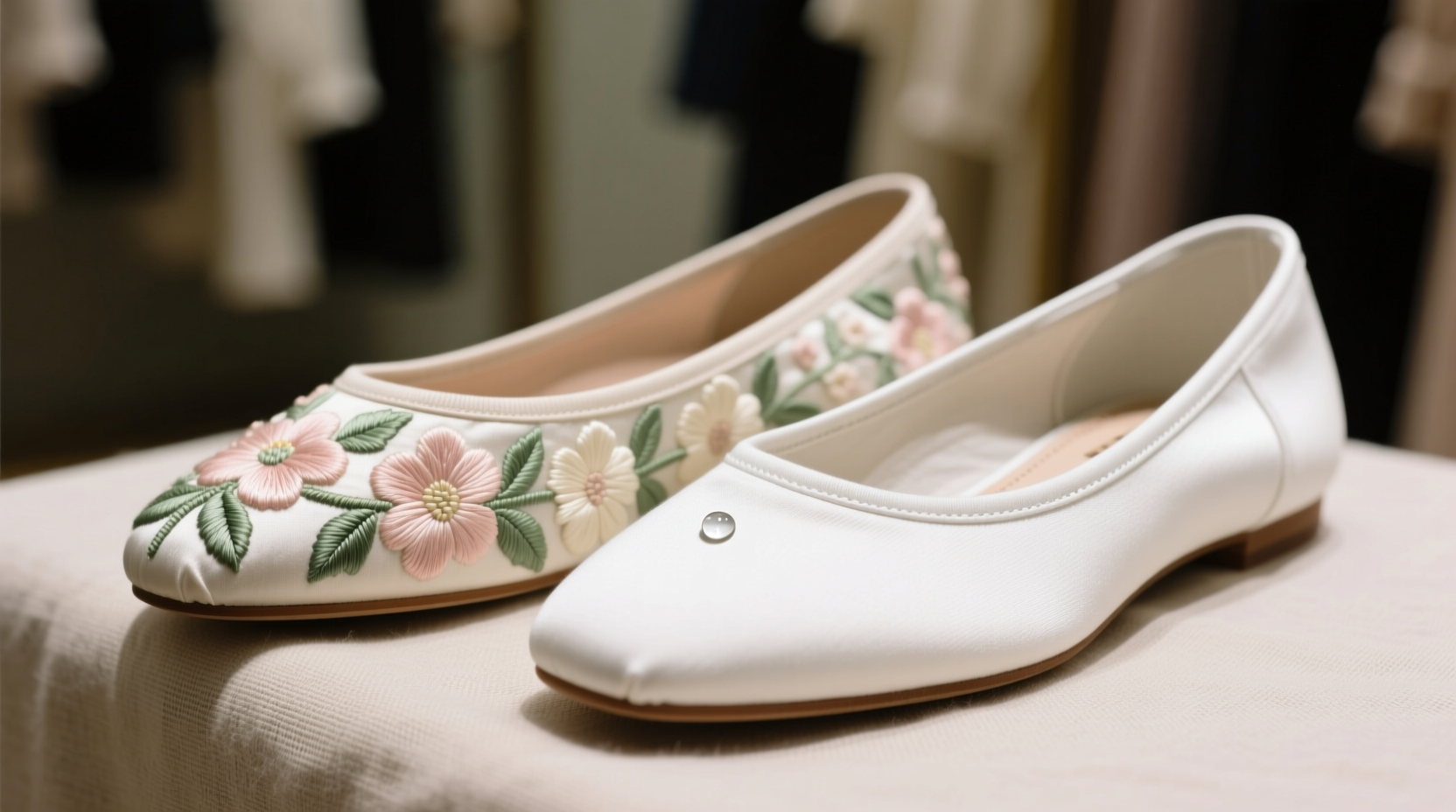
Embroidered ballet flats bring an artistic touch to everyday wear. Whether adorned with floral motifs, geometric patterns, or subtle beading, these shoes elevate even the simplest outfit. Designers like Repetto, Miu Miu, and Soludos have popularized embellished flats, turning them into statement pieces rather than background accessories.
These shoes often serve as conversation starters. They’re ideal for occasions where you want to stand out without sacrificing comfort—brunches, garden parties, or creative work environments. The embroidery adds texture and depth, making them more dynamic than solid-color alternatives.
Tip: Pair embroidered flats with minimalist clothing to let the shoes shine without overwhelming your look.However, the visual appeal comes with trade-offs. Embellishments can snag on carpets or rough surfaces. Delicate threads may fray over time, especially if worn frequently. And cleaning becomes more complicated—machine washing is off-limits, and spot-cleaning requires precision to avoid damaging the fabric or threadwork.
The Strength of Simplicity: Plain Ballet Flats
Plain ballet flats remain a favorite for good reason. Their clean lines and neutral palettes make them effortlessly compatible with nearly every wardrobe category—from tailored trousers to flowy summer dresses. Brands like Toms, Sam Edelman, and Gucci’s iconic horsebit loafer-style flat thrive on understated elegance.
Simplicity also translates to durability. Without raised stitching or fragile decorations, plain flats withstand daily wear better. Scuffs are easier to buff out, and materials like patent leather or suede can often be refreshed with proper care. Most importantly, they transition seamlessly across seasons and settings, from office meetings to weekend errands.
“Timeless design isn’t about being invisible—it’s about being appropriate everywhere.” — Lena Cho, Footwear Stylist & Consultant
For those who prioritize function over flair, plain flats are the logical choice. They require less maintenance, cost less on average, and are easier to replace when worn out. In a capsule wardrobe, they play a foundational role, supporting multiple outfits without demanding attention.
Comparing Practicality: A Side-by-Side Analysis
| Feature | Embroidered Flats | Plain Flats |
|---|---|---|
| Style Impact | High – makes a fashion statement | Moderate – blends well, supports other elements |
| Durability | Lower – embroidery can loosen or tear | Higher – fewer weak points |
| Care Requirements | High – hand cleaning, careful storage | Low to moderate – standard shoe care applies |
| Versatility | Medium – best with simple outfits | High – works with almost everything |
| Average Cost | $75–$150+ | $40–$100 |
| Lifespan (with regular use) | 6–12 months | 12–24+ months |
This comparison highlights a clear divide: embroidered flats win on personality and short-term impact, while plain styles dominate in longevity and adaptability.
Real-Life Scenario: Two Women, Two Choices
Consider Sarah and Mia, both professionals in their early 30s with similar wardrobes. Sarah invests in a pair of navy-blue embroidered ballet flats with gold-thread lotus designs. She wears them to client lunches and weekend markets. After five months, one shoe snags on a subway grate, pulling several stitches. The asymmetry bothers her, and she retires them despite the rest of the shoe being intact.
Mia opts for black matte leather plain flats. She wears them daily—on commutes, during meetings, and after work outings. Eighteen months later, they still look polished. She conditions the leather monthly and replaces the heel tips once. Though less eye-catching, they’ve become her most reliable footwear.
Their experiences reflect a broader truth: decorative details enhance beauty but often reduce resilience. For high-use scenarios, simplicity wins.
When Embroidery Makes Sense (And When It Doesn’t)
There are moments when choosing embroidered ballet flats is not only justified but inspired. These include:
- Seasonal events like weddings, baby showers, or art gallery openings
- Wardrobe gaps where you need a pop of color or pattern
- Travel plans where you want compact yet expressive footwear
- Gifting—embellished flats make thoughtful presents
Conversely, avoid embroidery if:
- You walk more than 5,000 steps daily
- Your job involves standing or moving frequently
- You live in a humid or rainy climate (moisture weakens thread adhesion)
- You prefer low-maintenance routines
How to Care for Each Type: A Step-by-Step Guide
Caring for Embroidered Ballet Flats
- Inspect regularly: Check for loose threads weekly and trim carefully with small scissors—don’t pull.
- Dust removal: Use a soft-bristle brush or dry microfiber cloth after each wear.
- Spot-clean only: Dampen a cloth with water and mild soap; dab stains gently.
- Air dry naturally: Never place near heaters or direct sunlight.
- Store flat: Keep in a breathable box or pouch, away from sharp objects.
Maintaining Plain Ballet Flats
- Rotate pairs: Allow 24 hours between wears for material recovery.
- Use shoe trees or stuff with paper: Prevents creasing and absorbs moisture.
- Condition leather monthly: Apply cream with a lint-free cloth; buff lightly.
- Protect before first wear: Spray suede or fabric protectant to resist stains.
- Replace heel caps annually: Extends sole life and prevents uneven wear.
Frequently Asked Questions
Can I wear embroidered flats every day?
It’s not recommended. Daily friction from walking, sitting, and stepping increases the risk of thread damage. Reserve them for special or low-activity days to preserve their condition.
Do plain flats go out of style?
Rarely. Classic cuts in neutral tones—black, nude, navy, gray—are considered wardrobe constants. As long as the shape remains modern (avoid overly rounded toes if trends shift), they stay relevant season after season.
Are embroidered flats harder to match with clothes?
Yes, especially if the colors or patterns are bold. To simplify coordination, choose embroidery in one accent shade that already exists in your closet—like red stitching with a favorite dress or bag.
Final Verdict: Balance Over Extremes
The debate between embroidered and plain ballet flats isn’t about declaring one superior. It’s about aligning your choices with your lifestyle. A well-curated shoe collection benefits from both: a few expressive pairs for moments that call for flair, and a core rotation of plain flats for reliability and ease.
Instead of choosing sides, consider a hybrid approach. Own one or two embroidered styles for seasonal joy and personal expression. Anchor them with three dependable plain pairs in key colors. This way, you enjoy aesthetic variety without compromising practicality.
Footwear reflects identity—but it also serves function. The most stylish choice isn’t always the flashiest. Sometimes, it’s the pair that gets you where you need to go, comfortably and confidently, year after year.
💬 What’s your go-to flat? Do you lean toward intricate details or clean minimalism? Share your preference and styling tips in the comments below!








