For urban commuters, choosing between an electric scooter and a traditional or electric bike isn’t just about speed or cost—it’s about arriving at work feeling fresh, not drenched in sweat. As cities embrace micro-mobility, more professionals are turning to compact, eco-friendly options for their daily commute. But when personal comfort and presentation matter—especially if you’re heading straight into meetings—the question of perspiration becomes critical. This article dives deep into how each mode performs under real-world conditions, examining physical exertion, environmental factors, and rider experience to determine which option truly keeps you cooler.
The Sweat Factor in Urban Commuting
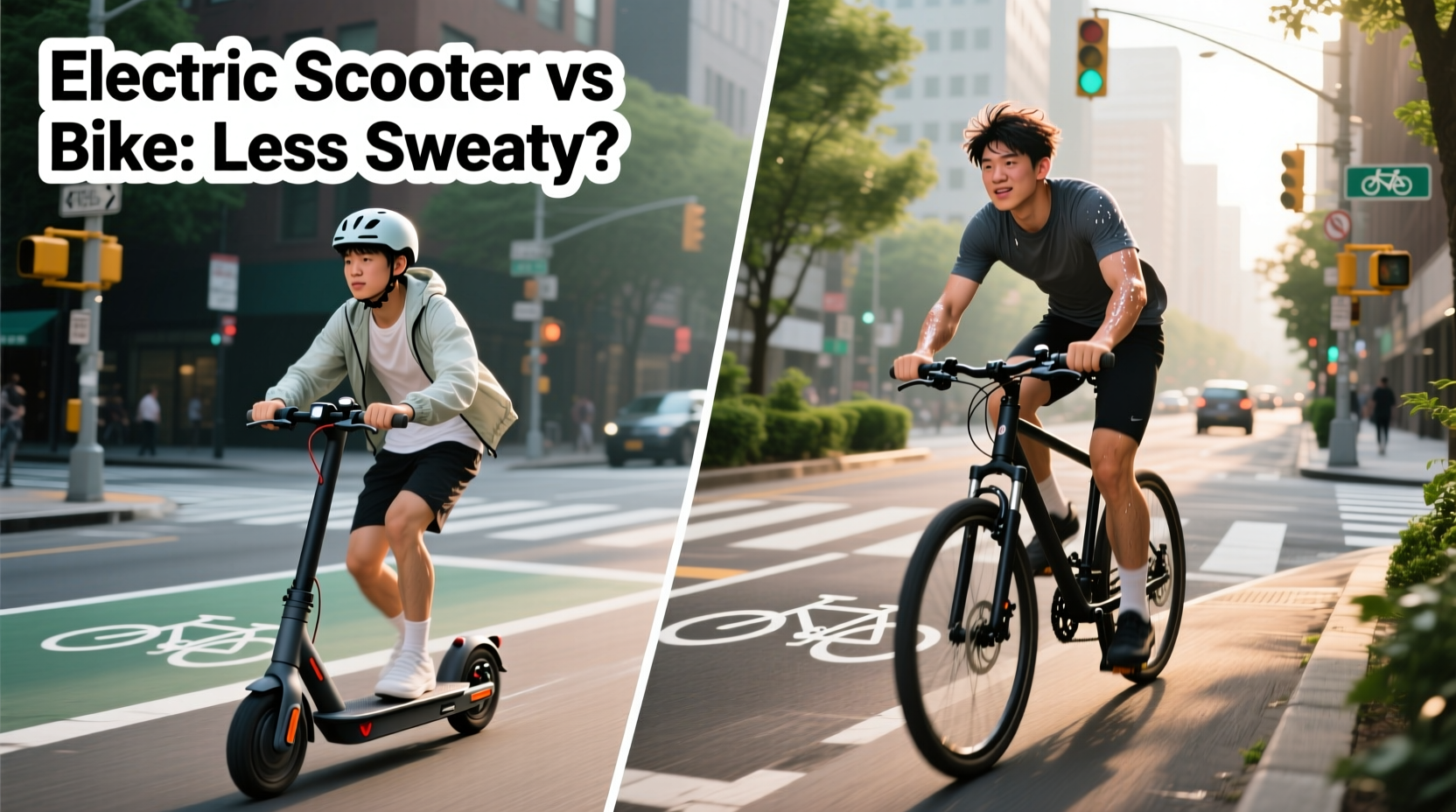
Sweating during a commute isn't just uncomfortable—it can undermine confidence, require extra time and resources (like changing clothes or showering), and even discourage people from sustainable transportation altogether. The level of sweat depends on several variables: duration of the ride, terrain, weather, clothing, and most importantly, the amount of physical effort required.
A traditional bicycle relies entirely on human power. Even moderate hills or headwinds can elevate heart rate and trigger perspiration quickly. Electric bikes (e-bikes) reduce this burden with pedal-assist motors, but they still demand pedaling. Electric scooters, on the other hand, require minimal physical input—mostly balance and steering—making them inherently less taxing.
Studies have shown that average metabolic output on a standard bike commute ranges from 150 to 300 watts, depending on pace and resistance. In contrast, riding an e-scooter typically requires less than 50 watts of effort. That dramatic difference translates directly into reduced body heat and lower sweat production.
Tip: If arriving sweat-free is your priority, minimize cardio strain by choosing low-effort transport—even short bursts of intense cycling can cause noticeable perspiration.Physical Effort: E-Scooter vs E-Bike vs Pedal Bike
To understand why one might be less sweaty than another, it's essential to break down the mechanics of effort for each vehicle:
- Pedal Bike: Full human propulsion. No motor assistance means all energy comes from the rider. Even at a steady pace, core and leg muscles generate significant heat, increasing sweat.
- E-Bike: Motor assists pedaling, reducing effort by 50–70%. However, riders must still engage physically. On longer commutes or hilly routes, this partial effort accumulates and leads to mild to moderate sweating.
- Electric Scooter: Throttle-based propulsion. Riders stand (or sit, on some models) and steer, with virtually no leg exertion beyond balancing. Minimal muscle engagement means far less internal heat buildup.
A 2022 study conducted by the University of Brighton compared physiological responses of commuters using different micro-mobility devices over a 3-mile urban route. Results showed that average heart rates were 138 bpm on pedal bikes, 112 bpm on e-bikes, and only 89 bpm on e-scooters. Core body temperature followed the same trend—highest with pedal bikes, lowest with scooters.
“From a physiological standpoint, e-scooters represent the lowest-intensity form of active commuting we’ve measured. They offer mobility without triggering thermoregulatory sweating in most users.” — Dr. Lena Patel, Human Performance Researcher, University of Brighton
Comparative Analysis: Key Factors Influencing Sweat Levels
| Factor | Pedal Bike | E-Bike | Electric Scooter |
|---|---|---|---|
| Physical Exertion | High | Moderate | Low |
| Leg Muscle Engagement | Full | Partial | Minimal |
| Heart Rate Increase | Significant | Moderate | Slight |
| Body Heat Generation | High | Moderate | Low |
| Wind Exposure / Cooling | High (but often offset by exertion) | Medium | Low to Medium |
| Typical Sweat Level (3-mile commute) | Heavy (shirt dampness common) | Light to Moderate (underarms, back) | Minimal (usually none) |
This table illustrates a clear hierarchy: pedal bikes induce the most sweat due to high exertion, e-bikes reduce it significantly, and e-scooters minimize it almost entirely under normal conditions.
Real-World Scenario: A Week in the Life of Two Commuters
Consider two professionals living in Portland, Oregon, both commuting 2.8 miles from their neighborhood to downtown offices. Neither has access to workplace showers.
Jamie rides an e-bike. The route includes two moderate inclines and stops at four traffic lights. Jamie wears business casual attire—chinos and a button-down shirt. Despite using pedal assist, climbing the hills raises their heart rate enough to produce light perspiration on the back and underarms. By arrival, Jamie feels warm and slightly sticky, needing to wipe down before meetings. On hotter days (above 75°F), the sweat increases noticeably.
Taylor uses an electric scooter. Same distance, same route. Taylor stands upright, hands on handlebars, throttle engaged only intermittently. There’s no repetitive motion or sustained muscle use. Wind cools the face, but body temperature remains stable. Taylor arrives composed, hair intact, shirt dry. Only on unusually humid days does a faint sheen appear on the forehead—and even then, no clothing change is needed.
This example reflects a broader trend: while e-bikes improve accessibility and reduce fatigue compared to traditional bikes, they don’t eliminate sweat. E-scooters, however, come much closer to offering a “dry arrival” experience.
Tip: Wear breathable fabrics even on low-exertion rides. Lightweight merino wool or moisture-wicking synthetics help regulate temperature and prevent clamminess.Environmental and Practical Considerations
While effort level is the primary determinant of sweat, external factors also play a role:
- Temperature and Humidity: High heat reduces evaporative cooling, making any physical activity more likely to cause discomfort. E-scooters still hold an advantage here due to lower exertion.
- Route Topography: Hilly cities like San Francisco or Seattle amplify differences. Biking uphill demands intense effort; scooting uphill merely consumes more battery.
- Traffic Flow: Frequent stopping and starting increase perceived effort on bikes. Scooters allow coasting and easier maneuverability in stop-and-go traffic.
- Clothing Restrictions: Business attire limits ventilation. Tight collars, non-breathable fabrics, and layered outfits trap heat. The less exertion required, the better suited such clothing is for the commute.
Another practical aspect is post-commute routine. E-bike riders often carry backpacks with spare shirts, deodorant, or wipes. E-scooter users rarely need these extras. Over time, this simplifies logistics and saves money.
Step-by-Step Guide to Choosing Your Low-Sweat Commute
Follow this decision framework to select the best option for staying cool and confident:
- Assess Your Commute Distance: Under 3 miles? Both e-bikes and scooters work well. Over 5 miles? E-bikes may offer better endurance and comfort.
- Analyze Terrain: Lots of hills? Prioritize motor power. E-scooters with strong motors (500W+) handle inclines smoothly, but seated models add stability.
- Evaluate Work Attire: Wearing suits or formal wear? Lean toward e-scooters for minimal movement and sweat.
- Check Storage Options: Can you store the device indoors at work? Scooters fold and tuck under desks; e-bikes need racks or lockups.
- Test Ride Both: Spend a few days trying each. Pay attention to how you feel upon arrival—heart rate, breathing, and sweat levels.
- Consider Weather Patterns: Rainy climates? Look for water-resistant scooters or e-bikes with fenders. Wet conditions increase chill but also make sweat more uncomfortable when drying later.
After completing this process, most office workers find that e-scooters align better with low-sweat goals—especially for trips under five miles.
Common Misconceptions About Sweating and Cycling
Some believe that “a little sweat is healthy” or that “you’ll get used to it.” While fitness adaptation does occur, it doesn’t eliminate sweating—it shifts the threshold. A highly conditioned cyclist may sweat less initially, but prolonged effort or heat still triggers thermoregulation.
Others assume e-bikes are sweat-free because they’re “electric.” In reality, pedal-assist systems encourage movement. You’re still working, just less intensely. Unless you opt for a throttle-only e-bike (which allows zero pedaling), some level of perspiration is expected.
Finally, there’s a myth that standing on a scooter is more tiring than cycling. Biomechanically, this isn’t true. Standing statically engages stabilizing muscles, but not enough to raise core temperature. Cycling, even assisted, involves rhythmic contractions of large muscle groups—quads, glutes, calves—which generate substantial metabolic heat.
Checklist: How to Minimize Sweat on Any Micro-Mobility Commute
- ✅ Choose the lowest-effort vehicle possible (e-scooter > e-bike > pedal bike)
- ✅ Opt for throttle control instead of pedal-assist when available
- ✅ Wear moisture-wicking, breathable clothing
- ✅ Avoid heavy layers; dress in increments you can remove
- ✅ Time your commute to avoid midday heat
- ✅ Use a small towel or travel wipes for quick touch-ups
- ✅ Stay hydrated—dehydration concentrates sweat and increases odor
- ✅ Consider a folding chair or seat attachment for long scooter rides
Frequently Asked Questions
Can I stay completely dry on an e-bike?
In ideal conditions—cool weather, flat terrain, slow pace, and good airflow—you might avoid heavy sweating. However, most urban e-bike commutes involve stops, starts, and slight inclines that elevate heart rate enough to cause light perspiration. Complete dryness is rare unless you use a throttle-dominant model and avoid pedaling entirely.
Are seated electric scooters better for reducing sweat?
Seated scooters don’t reduce physical exertion significantly—they mainly improve comfort on longer rides. Since sweat is driven by metabolic load rather than posture, a seated scooter offers similar sweat levels to a standing one. However, sitting may help regulate blood flow and reduce perceived fatigue, indirectly supporting thermal comfort.
Do helmets make you sweatier?
Yes, helmets restrict scalp ventilation and trap heat. Ventilated urban helmets with adjustable airflow can reduce this effect. Some riders remove helmets immediately upon arrival to let their heads cool. For maximum comfort, consider lightweight, open-vented designs specifically made for city commuting.
Final Verdict: Which Keeps You Less Sweaty?
The evidence is consistent: electric scooters result in less sweat than both traditional and electric bikes. Their design minimizes physical effort, keeping heart rate low and body temperature stable. While e-bikes dramatically reduce exertion compared to pedal bikes, they still require active participation that generates internal heat.
For professionals who value punctuality, appearance, and simplicity, the e-scooter presents a compelling solution. It enables point-to-point travel without the baggage of gym bags, extra clothes, or post-commute recovery rituals. Arriving cool, collected, and ready to work isn’t a luxury—it’s a productivity advantage.
That said, personal preference, route specifics, and local regulations matter. In areas where e-scooters are banned or impractical (due to poor pavement or long distances), e-bikes remain a strong alternative. But if minimizing sweat is the top priority, the electric scooter takes the lead.
Take Action Today
Don’t let fear of perspiration keep you from adopting greener, faster, and healthier commuting habits. Evaluate your current routine: Are you spending 15 minutes freshening up after every ride? Could that time be better spent?
Rent or borrow an e-scooter for a three-day trial. Compare how you feel arriving at work versus your usual method. Track your energy levels, clothing condition, and overall satisfaction. Chances are, you’ll notice a difference from day one.
💬 Have your own low-sweat commute hack? Share your story in the comments—help others discover smarter ways to travel fresh and arrive confident!








