There’s nothing more frustrating than falling in love with a pair of shoes only to find they’re painfully tight. While many turn to expensive stretching services or give up on their favorite pair altogether, a simple household item may offer a solution: rubbing alcohol. When used correctly, rubbing alcohol can help soften leather and synthetic fibers, allowing shoes to stretch more easily and conform comfortably to your feet. This method is especially useful for boots, dress shoes, and other structured footwear that resist traditional break-in techniques.
The science behind this trick lies in alcohol’s ability to temporarily disrupt the molecular bonds in fabric and leather, making them more pliable. Unlike water, which can warp or stain materials if not dried properly, rubbing alcohol evaporates quickly and leaves minimal residue. That makes it a safer alternative for targeted softening—provided you follow best practices.
How Rubbing Alcohol Affects Shoe Materials
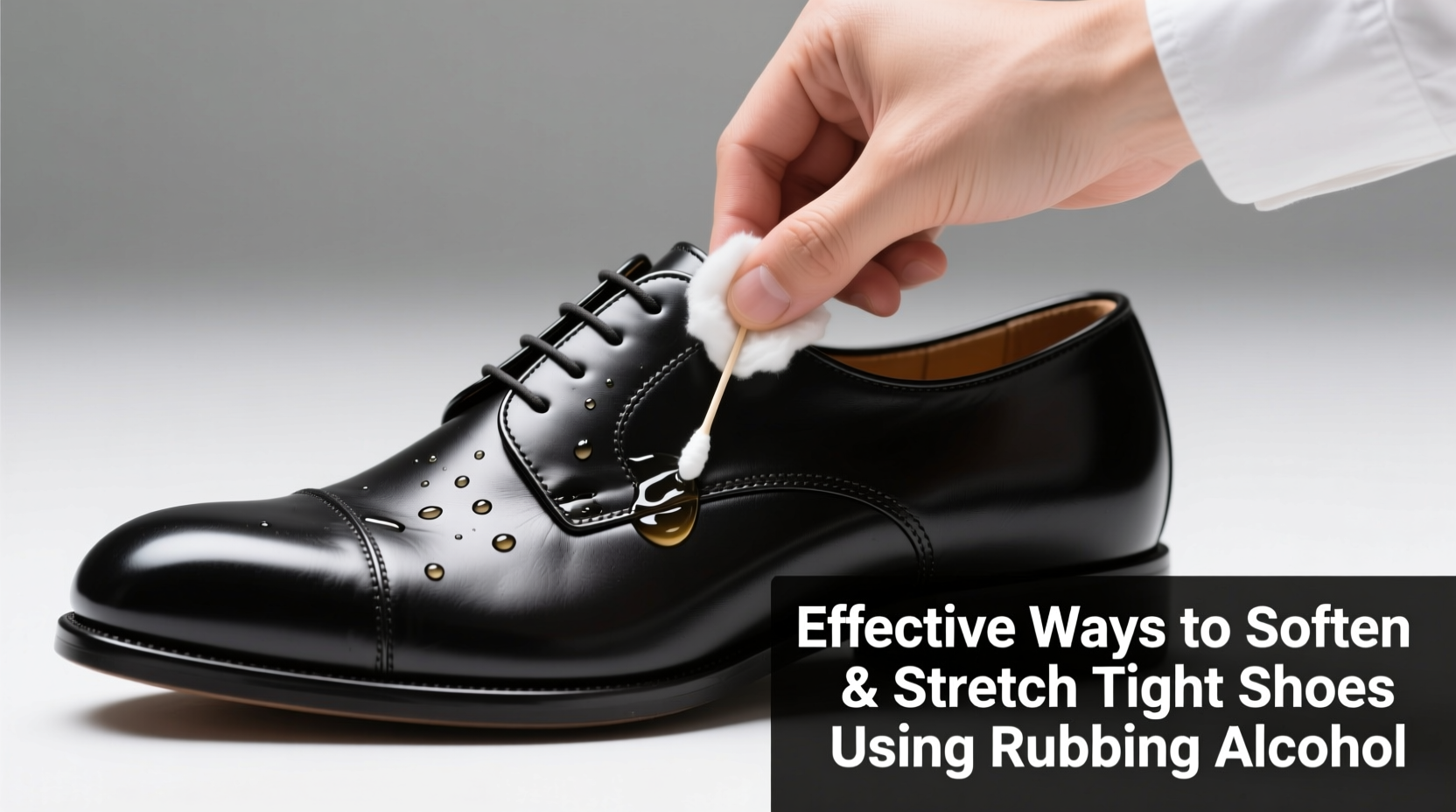
Rubbing alcohol (isopropyl alcohol) works by penetrating the fibers of leather, suede, and certain synthetics, loosening their structure just enough to allow stretching. Once the material dries, it retains its new shape—ideally one that matches the contours of your foot. This effect is temporary but powerful when combined with mechanical pressure, such as wearing thick socks or using shoe stretchers.
However, not all materials react the same way. Leather responds well due to its porous nature, while patent leather or heavily coated finishes may repel the solution or become discolored. Suede requires extra caution—it can absorb too much liquid and develop dark spots if over-saturated.
Tip: Always test rubbing alcohol on a small, inconspicuous area first—like the inside heel or tongue seam—to check for discoloration or texture changes.Step-by-Step Guide: Softening and Stretching Shoes with Rubbing Alcohol
- Gather supplies: 70% isopropyl alcohol, cotton balls or spray bottle, thick socks, hairdryer (optional), shoe stretcher or crumpled paper (optional).
- Prepare the shoes: Remove laces and clean the interior lightly to prevent dirt from being pushed deeper during treatment.
- Apply the alcohol:
- For spot treatment: Dampen a cotton ball with rubbing alcohol and rub it directly onto tight areas (e.g., toe box, sides).
- For even coverage: Fill a spray bottle with equal parts rubbing alcohol and water. Lightly mist the interior and exterior where stretching is needed.
- Wear the shoes immediately: Put on thick socks and wear the treated shoes for 20–30 minutes. As the material dries, it will mold to your foot. Avoid walking long distances during this time.
- Add heat (optional): Use a hairdryer on low heat to warm stiff areas while wearing the shoes. Heat enhances flexibility but should never be applied directly to dry, untreated leather.
- Let them rest: After removal, stuff the shoes with tissue or a shoe tree to maintain shape as they finish drying (usually 1–2 hours).
- Repeat if necessary: For significant tightness, repeat the process over 2–3 days, allowing full drying between sessions.
“Alcohol-based softening works best when paired with controlled tension. The goal isn’t to soak the shoe, but to create just enough plasticity to reshape it safely.” — Daniel Ruiz, Footwear Restoration Technician
Material-Specific Guidelines and Precautions
Different shoe types require tailored approaches. The following table outlines safe application methods based on common materials:
| Material | Safe to Use Alcohol? | Recommended Method | Avoid If… |
|---|---|---|---|
| Full-Grain Leather | Yes | Spray interior lightly; wear with socks | Already overly dry or cracked |
| Suede/Nubuck | With caution | Spot-treat only; use cotton swab | Untreated surface; risk of staining |
| Synthetic Leather | Limited | Dilute 50/50 with water; minimal contact | Coated or glossy finish |
| Fabric (Canvas, Mesh) | Yes | Mist lightly; focus on seams and stiff zones | Colored prints prone to bleeding |
Real-World Example: Breaking in New Work Boots
Mark, a warehouse supervisor, purchased a high-quality pair of leather work boots for better ankle support. Within two days, he developed blisters along his heels and little toes. He tried freezing water-filled bags inside them overnight—a popular hack—but saw no improvement.
On the advice of a colleague, Mark turned to rubbing alcohol. He sprayed a 50/50 mix of alcohol and water inside the boots, focusing on the constricting side panels. Wearing heavy wool socks, he walked around his home for 25 minutes. By the third day of repeating this process, the boots felt noticeably more flexible. After one week, he wore them for a full 10-hour shift without discomfort. The key, he noted, was consistency and patience—no single session did everything, but gradual conditioning made all the difference.
Checklist: Safe Application of Rubbing Alcohol on Shoes
- ✅ Identify the shoe material before starting
- ✅ Test alcohol on an inconspicuous spot
- ✅ Dilute with water for sensitive or synthetic materials
- ✅ Apply only to areas needing stretch (not entire shoe)
- ✅ Wear thick socks during the molding phase
- ✅ Allow complete drying between treatments
- ✅ Condition leather afterward with appropriate balm or cream
- ❌ Do not use on vinyl, patent leather, or bonded soles
- ❌ Avoid prolonged exposure or pooling liquid
Frequently Asked Questions
Can I use rubbing alcohol on brand-new shoes?
Yes, but cautiously. New leather is often stiffer and may benefit from controlled softening. However, many manufacturers apply protective coatings that alcohol could compromise. Always test first and avoid overuse.
Will rubbing alcohol ruin the color of my shoes?
Potentially. Dark leathers and dyed fabrics may experience fading or blotchiness, especially if undiluted alcohol is used. To minimize risk, dilute with water and apply sparingly. After drying, consider using a color-safe conditioner.
How long does the stretching effect last?
Permanent, if done correctly. Once the fibers re-bond in their new shape, they typically retain that form unless exposed to excessive moisture or force. Regular wear helps lock in the improved fit.
Final Thoughts: Comfort Without Compromise
Tight shoes don’t have to mean endless pain or wasted money. With rubbing alcohol, you gain access to a fast, affordable, and surprisingly effective method for reshaping footwear at home. The technique blends chemistry and practicality—softening fibers just enough to adapt, then setting them into a personalized fit. It’s not magic, but it’s close.
Success depends on attention to detail: knowing your materials, applying the right amount of solution, and giving the shoes time to adjust. When combined with proper care like conditioning and storage, this method can extend the life and comfort of your favorite pairs significantly.
💬 Have you tried using rubbing alcohol to stretch your shoes? Share your results, tips, or warnings in the comments below—your experience could help someone else avoid discomfort and save a great pair!








