Rollerball pens are prized for their smooth ink flow and effortless writing experience. But when a favorite pen suddenly stops working—leaving faint streaks or no mark at all—it can be frustrating. Unlike ballpoint pens, which rely on oil-based ink, rollerballs use water-based or gel inks that are more prone to drying, clogging, or air exposure issues. The good news is that most non-writing problems can be resolved with careful diagnosis and targeted fixes. Whether the pen has been idle for weeks or failed mid-sentence, these practical strategies will help restore its performance without replacing it prematurely.
Understanding Why Rollerball Pens Fail
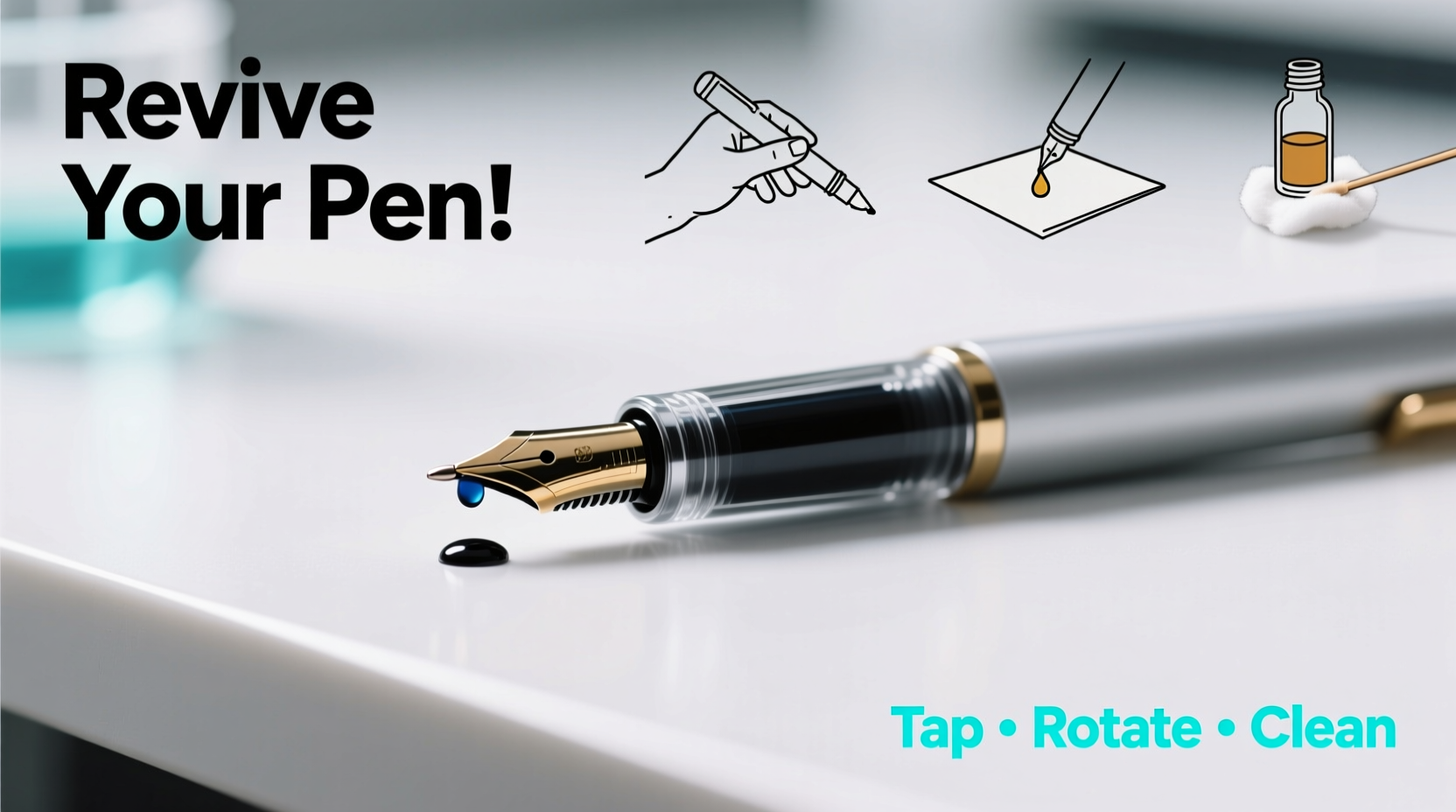
The core issue behind a non-writing rollerball pen usually stems from one of three causes: dried ink, air blockage in the refill, or misalignment between the ball and socket. Water-based inks evaporate faster than oil-based ones, especially if the cap isn’t sealed tightly or the pen is stored improperly. Over time, this leads to ink thickening near the tip. Additionally, tiny air bubbles can form inside the refill during temperature changes or after being dropped, disrupting consistent ink delivery. Finally, physical damage—such as a bent tip or dislodged ball bearing—can prevent smooth rolling action.
Before attempting repairs, assess the pen’s condition:
- Has it been unused for several weeks?
- Was it left uncapped?
- Does the ball move freely when inspected under light?
- Is there visible ink buildup around the nib?
Answering these questions helps determine whether the fix requires cleaning, priming, or replacement.
Tip: Always store rollerball pens horizontally or with the tip pointing upward to minimize air bubble formation and reduce leakage risks.Step-by-Step Guide to Revive a Non-Writing Rollerball Pen
Follow this systematic approach to troubleshoot and restore function to your rollerball pen. Most issues resolve within minutes using household items.
- Inspect the Tip: Hold the pen vertically and rotate the tip gently between clean fingers. If the ball doesn’t spin freely, debris may be jamming it. Wipe the tip with a lint-free cloth dampened with warm water.
- Prime the Ink Flow: Write firmly on scrap paper in quick strokes. This friction generates heat, thinning dried ink slightly. Use firm pressure but avoid gouging the surface.
- Soak the Nib (If Clogged): Submerge only the metal tip in warm (not boiling) water for 5–10 minutes. Avoid soaking the entire refill to prevent internal air pressure shifts. Remove and dry thoroughly before testing.
- Use Gentle Heat: After soaking, hold the tip near—but not touching—a hairdryer on low heat for 10–15 seconds. Do not overheat, as excessive warmth can melt plastic components or cause leaks.
- Test Writing Angle: Some rollerballs require a specific angle (typically 45°) for optimal ink release. Experiment with different angles on notebook paper to see if flow resumes.
- Check Refill Position: Ensure the refill is fully seated in the barrel. A loose refill may interrupt contact between the ink reservoir and feed mechanism.
If none of these steps work, consider internal blockages or expired ink.
Do’s and Don’ts When Fixing Rollerball Pens
| Do’s | Don’ts |
|---|---|
| Store pens capped and horizontally | Leave pens uncapped overnight |
| Clean tips regularly with water | Use alcohol or solvents unless specified |
| Prime refills after long storage | Shake pens vigorously like highlighters |
| Replace refills every 6–12 months | Forcefully twist or pull stuck parts |
| Carry spare refills for critical tasks | Write on rough surfaces that wear down tips |
Real Example: Reviving a Long-Stored Gift Pen
Sarah received a high-end rollerball pen as a graduation gift but forgot to use it for nearly eight months. When she finally tried writing, only faint lines appeared. She followed the soaking method, placing the tip in warm tap water for seven minutes. After drying it with a microfiber cloth, she scribbled rapidly on printer paper. Within 30 seconds, smooth ink flow returned. The pen had simply dried slightly at the point of contact, and rehydration combined with friction restored functionality. Sarah now keeps her backup pens rotated monthly to prevent recurrence.
“Many people assume a dead pen needs replacing, but 70% of ‘failed’ rollerballs just need reactivation. Proper maintenance extends their life significantly.” — James Lin, Stationery Engineer at Apex Writing Instruments
Troubleshooting Checklist
Use this checklist whenever your rollerball pen fails to write:
- ☐ Cap the pen immediately after use
- ☐ Inspect the ball tip for free rotation
- ☐ Try writing with increased pressure on smooth paper
- ☐ Soak the tip in warm water for 5–10 minutes
- ☐ Dry completely before reuse
- ☐ Apply gentle heat with a hairdryer (low setting)
- ☐ Replace the refill if older than one year
- ☐ Store future pens horizontally in a drawer or case
Frequently Asked Questions
Can I use alcohol to unclog a rollerball pen?
Only as a last resort and sparingly. Isopropyl alcohol can dissolve dried ink, but it may also degrade rubber seals or plastic barrels. If used, dip a cotton swab in alcohol and lightly touch the tip—never submerge the refill. Rinse with water afterward and let it dry before testing.
How long should a rollerball refill last?
A typical rollerball refill lasts 3–6 months with daily use, depending on writing frequency and stroke length. Even without use, replace refills annually; water-based ink degrades over time, increasing clog risk.
Why does my pen write intermittently after reviving it?
Intermittent flow often means residual air bubbles or partial clogs remain. Repeat the warm water soak and try writing continuously for 30–60 seconds to stabilize flow. If inconsistency persists, the refill is likely nearing end-of-life and should be replaced.
Conclusion: Extend the Life of Your Favorite Pens
A rollerball pen that won’t write isn’t necessarily beyond saving. With an understanding of ink behavior and a few smart techniques, most pens can be revived quickly and reliably. Prevention plays a key role—capping promptly, storing correctly, and rotating refills avoids many common failures. When problems do arise, patience and precision yield better results than force or guesswork. By treating your writing tools with care, you preserve both their performance and longevity.
💬 Have a tricky pen that resisted all fixes? Share your story or solution in the comments—your insight might help others rescue their favorite writers!








