
Temporary tattoos offer a fun, painless way to express style, celebrate events, or test designs before committing to permanent ink. But one major challenge limits their appeal: water. Whether it’s a pool party, beach day, or post-workout shower, exposure to moisture often leads to smudging, peeling, and premature fading. With the right waterproofing strategies, however, you can significantly extend the life of your temporary tattoo—even during prolonged water exposure. This guide reveals proven methods backed by cosmetic science and real-world testing to keep your design vibrant and intact.
Understanding Why Temporary Tattoos Fade in Water
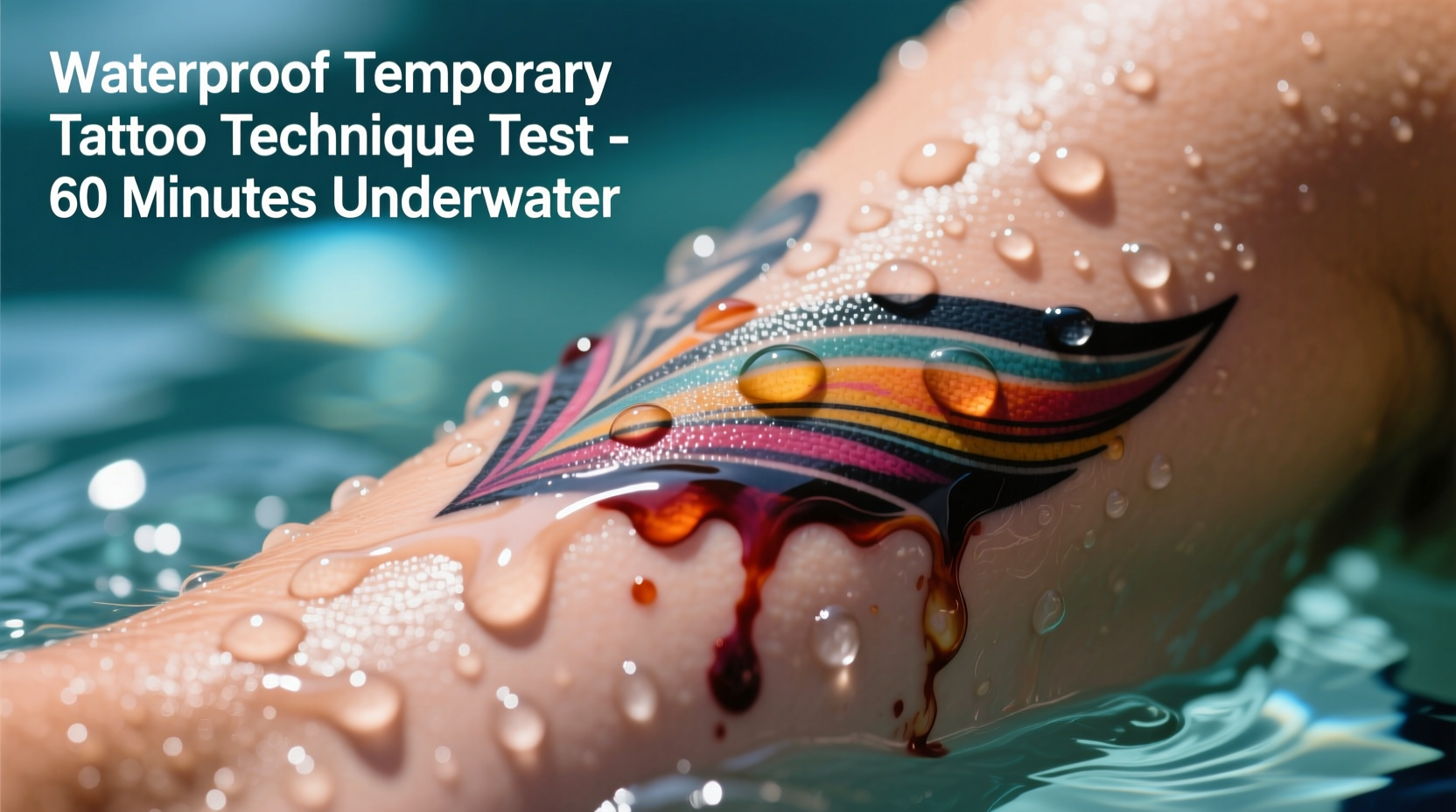
Most temporary tattoos rely on adhesives or water-activated polymers to bond with the outermost layer of skin. While they adhere well under dry conditions, water disrupts this bond through several mechanisms:
- Hydration of the skin: Soaked skin swells slightly, loosening the tattoo's grip.
- Solubility of dyes: Some inks dissolve or bleed when exposed to chlorinated, salt, or soapy water.
- Mechanical abrasion: Rubbing against towels, swimwear, or pool edges accelerates removal.
Without protection, even high-quality temporary tattoos may begin to degrade within 30 minutes of immersion. The key to longevity lies not just in application but in creating a durable, hydrophobic barrier over the tattooed area.
Step-by-Step Guide to Waterproofing Your Temporary Tattoo
Follow this detailed process to maximize durability before entering water:
- Clean and dry the skin thoroughly: Use alcohol wipes or mild soap to remove oils, sweat, and residue. Dry completely—moisture under the tattoo prevents proper adhesion.
- Apply the tattoo correctly: For transfer types, press firmly for 30 seconds. Peel slowly. Avoid touching the inked surface afterward.
- Let it set for 1–2 hours: Allow full bonding to the stratum corneum (outer skin layer) before any treatment.
- Seal with a waterproof barrier: Apply a thin, even coat of a skin-safe sealant such as hairspray, liquid bandage, or specialized tattoo sealant. Let dry completely.
- Add a second layer if needed: For extended swimming sessions, apply a second light coat after the first dries.
- Avoid immediate submersion: Wait at least 15 minutes after sealing before entering water.
Best Waterproofing Products Compared
Not all sealants perform equally. Here’s a comparison of popular options based on effectiveness, safety, and ease of use:
| Product Type | Water Resistance | Skin Safety | Drying Time | Removal Ease |
|---|---|---|---|---|
| Hairspray (alcohol-free) | Moderate | Good (if non-irritating formula) | Fast (~30 sec) | Easy (soap and water) |
| Liquid Bandage (e.g., New-Skin) | Excellent | Fair (may cause sensitivity) | Slow (~5 min) | Moderate (peels off naturally) |
| Specially Formulated Tattoo Sealant (e.g., Ink Armor) | Excellent | Very Good | Medium (~2 min) | Easy (with makeup remover) |
| Makeup Setting Spray | Poor to Moderate | Excellent | Fast | Very Easy |
| Nail Polish (not recommended) | High | Poor (toxic, blocks pores) | Slow | Difficult, risky |
For swimming, dermatologist-approved liquid bandages and professional tattoo sealants provide the best balance of protection and safety. Hairspray can work in a pinch but varies widely by brand and formulation.
Real-World Example: Pool Party Challenge
Jamie, a college student preparing for a lakeside festival, applied a detailed floral temporary tattoo on her shoulder. Wanting it to last through swimming and dancing, she followed a strict waterproofing protocol: cleaned the area with rubbing alcohol, applied the tattoo, waited two hours, then used two coats of Ink Armor sealant. She swam for nearly three hours, dried off with a towel, and danced into the night. The next morning, the tattoo remained 90% intact—only minor edge wear appeared near friction points. In contrast, her friend’s unsealed tattoo faded within an hour of entering the water.
This case illustrates how preparation and proper sealing dramatically improve performance under real conditions.
Expert Insight on Skin and Ink Protection
“Creating a physical barrier over temporary tattoos is essential for water resistance. Products like medical-grade liquid bandages form flexible, breathable films that resist water penetration while allowing the skin to function normally.” — Dr. Lena Torres, Dermatological Cosmetic Scientist, Institute of Skin Innovation
Dr. Torres emphasizes that flexibility is critical—the sealant must move with the skin without cracking. Rigid coatings tend to peel, taking the tattoo with them.
Common Mistakes That Ruin Waterproofing Efforts
Even with the right products, improper technique can undermine results. Avoid these pitfalls:
- Applying sealant too soon: If the tattoo hasn’t fully adhered, the spray can lift the edges.
- Using too much product: Thick layers crack and attract dirt.
- Rubbing the tattoo after sealing: Friction weakens the bond.
- Choosing alcohol-heavy sprays: Drying agents may fade ink or irritate skin.
- Ignoring reapplication needs: After long swims, resealing can extend wear another day.
Checklist for Long-Lasting Waterproof Temporary Tattoos
Use this practical checklist before and after applying your tattoo:
- ✅ Clean the skin with alcohol wipe or soap and water
- ✅ Dry the area completely (use a hairdryer on cool setting if needed)
- ✅ Apply the temporary tattoo using firm, even pressure
- ✅ Wait 1–2 hours for full adhesion
- ✅ Choose a skin-safe, flexible sealant (avoid nail polish)
- ✅ Apply 1–2 thin, even coats of sealant over the tattoo
- ✅ Allow each coat to dry fully (no tackiness)
- ✅ Wait 15+ minutes before swimming
- ✅ Pat dry gently after exiting water—do not rub
- ✅ Reapply sealant the next day if extending wear
Frequently Asked Questions
Can I use regular hairspray to seal a temporary tattoo?
You can, but only if it’s alcohol-free and labeled safe for skin. Many standard hairsprays contain high alcohol levels that dry out skin and fade ink. Look for cosmetic-grade sprays designed for body art instead.
How long will a sealed temporary tattoo last in water?
A properly sealed tattoo can withstand 2–4 hours of intermittent swimming, depending on water type and movement. Saltwater and chlorinated pools are more damaging than fresh water. Expect some fading after heavy exposure, but the core design should remain visible.
Will waterproofing make the tattoo harder to remove?
Yes, but not unreasonably so. Sealed tattoos typically require gentle scrubbing with oil (coconut, baby, or olive oil), makeup remover, or adhesive removers. Never use harsh solvents like acetone on skin.
Final Thoughts and Action Plan
Waterproofing a temporary tattoo isn’t magic—it’s method. By understanding how water affects adhesion and using the right sealants at the right time, you gain control over longevity. Whether you're diving into a pool, surfing ocean waves, or sweating through summer heat, these techniques ensure your temporary ink stays bold and beautiful.
The difference between a tattoo that lasts minutes versus days comes down to preparation and protection. Don’t leave it to chance. Apply these steps before your next event, and enjoy the confidence of knowing your design will endure.
🚀 Ready to make your next temporary tattoo swim-proof? Pick a sealant from this guide, follow the step-by-step process, and share your results with others looking to keep their ink intact!








