Sports shoes endure daily wear, sweat, dirt, and unexpected spills. Whether you're a runner, gym enthusiast, or casual wearer, maintaining clean, fresh-looking footwear enhances both appearance and longevity. Most people assume stained sneakers are beyond saving, but with the right approach, even heavily soiled shoes can be restored. The key lies in understanding materials, identifying stain types, and using targeted cleaning techniques that preserve shoe integrity while eliminating grime.
Understanding Shoe Materials and Stain Types
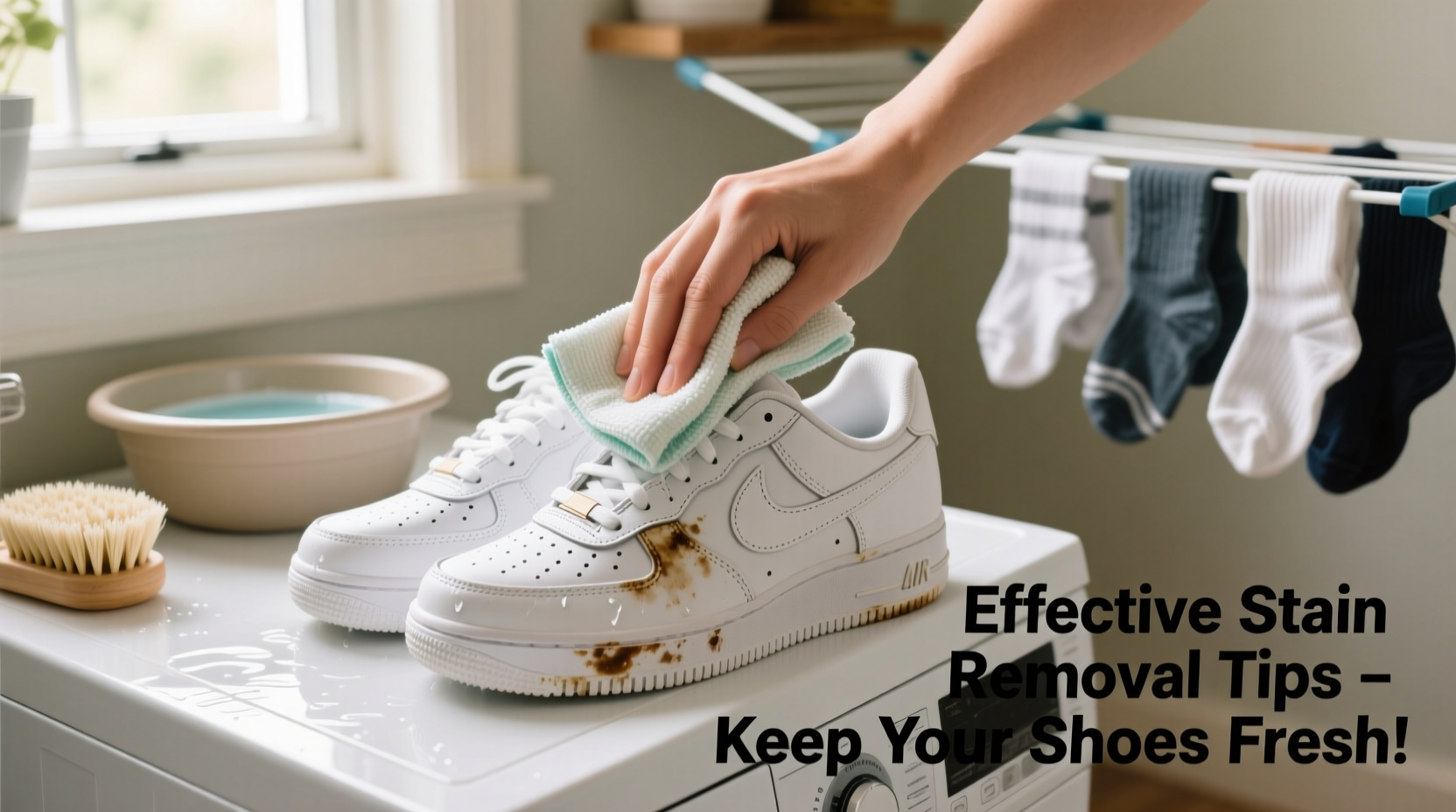
Sports shoes are made from a variety of materials—each requiring specific care. Common materials include:
- Mesh and fabric: Lightweight and breathable but prone to absorbing liquids and odors.
- Leather and synthetic leather: Durable and easier to wipe clean, though susceptible to water damage if not treated properly.
- EVA foam and rubber soles: Resistant to abrasion but can yellow or accumulate scuff marks over time.
- Knit uppers (e.g., Flyknit): Sensitive to aggressive scrubbing; require gentle handling.
Stains vary by cause and material. Common culprits include:
- Mud and dirt – surface-level but can set into fibers.
- Sweat and salt residue – leads to yellowing and odor.
- Grass and oil – often leave green or greasy marks.
- Ink and paint – require solvents for removal.
- Food and drink spills – sugary residues attract more dirt.
Cleaning blindly without assessing the material and stain type risks damaging the shoe’s structure or finish.
Tip: Always check the manufacturer’s care label inside the tongue or heel of your shoe before applying any cleaning method.Step-by-Step Guide to Deep Cleaning Sports Shoes
A systematic cleaning process ensures thorough results without compromising shoe quality. Follow this timeline for best outcomes:
- Remove laces and insoles – Soak laces in warm, soapy water. Wash insoles separately with mild detergent and air dry.
- Dry brush off loose debris – Use a soft-bristled toothbrush or suede brush to dislodge surface dirt.
- Prepare cleaning solution – Mix one tablespoon of mild laundry detergent with two cups of lukewarm water. For tougher stains, add a teaspoon of baking soda.
- Spot test – Apply solution to a small, hidden area (like the heel tab) to check for discoloration.
- Scrub gently – Dip a microfiber cloth or soft brush into the solution and clean in circular motions, focusing on stained areas.
- Rinse with damp cloth – Wipe away soap residue with a clean, water-dampened cloth. Avoid soaking the shoe.
- Air dry – Place shoes in a well-ventilated area away from direct sunlight or heat sources. Stuff them with paper towels to maintain shape and absorb moisture.
For mesh and knit shoes, avoid machine washing unless specified by the manufacturer. Excessive agitation can break down fibers and weaken adhesives.
Specialized Techniques for Tough Stains
Some stains demand targeted solutions. Here’s how to handle common stubborn marks:
- Yellowing on white soles: Apply a paste of baking soda and hydrogen peroxide (1:1 ratio). Let sit for 30 minutes under indirect light, then scrub with an old toothbrush. Repeat if needed.
- Oil or grease: Sprinkle cornstarch or talcum powder on the spot and let it sit overnight to absorb the oil. Brush off, then clean with dish soap and water.
- Ink stains: Dab with rubbing alcohol using a cotton swab. Blot—don’t rub—to prevent spreading. Test first on delicate fabrics.
- Grass stains: Use a drop of oxygen-based cleaner (like OxiClean diluted in water) on a cloth and gently dab the area.
- Odor control: Sprinkle baking soda inside shoes and leave overnight. Alternatively, use activated charcoal packets between wears.
“Immediate treatment is critical. The longer a stain sits, the harder it bonds with fibers. Ten minutes now saves hours later.” — Daniel Reyes, Footwear Restoration Technician
Do’s and Don’ts: Shoe Care Best Practices
| Do’s | Don’ts |
|---|---|
| Use pH-balanced cleaners for specialty materials | Use bleach on colored or white shoes (causes yellowing) |
| Rotate shoes to allow full drying between uses | Put wet shoes near radiators or in direct sun (causes warping) |
| Apply protective sprays for water and stain resistance | Machine wash non-removable insole shoes frequently |
| Store in breathable cotton bags or open shelves | Leave shoes in damp gym bags overnight |
| Clean after exposure to mud, rain, or heavy activity | Use excessive force when scrubbing delicate uppers |
Real Example: Reviving a Year-Old Running Shoe
Jamie, a marathon trainee, wore her white running shoes through rainy seasons, trail runs, and long commutes. After a year, they were grimy, smelly, and streaked with mud and grass. She assumed they were unsalvageable. Instead of discarding them, she followed a three-phase cleaning routine: dry brushing, deep cleaning with a baking soda-detergent mix, and sole whitening with hydrogen peroxide. After two sessions spaced a week apart, the shoes looked nearly new. More importantly, the midsole cushioning remained intact because she avoided heat drying. This simple restoration extended their usable life by several months.
Tip: For white shoes, place them in a mesh laundry bag and air-dry near a fan—never in a dryer. UV light from indirect sunlight can help prevent yellowing.Prevention Checklist: Keep Shoes Fresh Between Uses
Maintenance matters as much as cleaning. Use this checklist weekly to extend shoe life:
- ☑ Remove insoles and let them air out after each use
- ☑ Wipe down uppers with a damp microfiber cloth post-wear
- ☑ Rotate between at least two pairs to reduce moisture buildup
- ☑ Apply a water-repellent spray every 4–6 weeks
- ☑ Store in a cool, dry closet with good airflow
- ☑ Inspect for early signs of staining or wear monthly
Proactive care prevents deep-set stains and structural fatigue. Think of shoe maintenance like skincare—consistency yields better long-term results than occasional intensive treatments.
Frequently Asked Questions
Can I put my sports shoes in the washing machine?
Only if the manufacturer explicitly states it’s safe. Even then, use cold water, a gentle cycle, and place shoes in a pillowcase to reduce impact. Never machine dry. Hand cleaning remains the safest option for most athletic footwear.
Why do my white shoes turn yellow after washing?
Yellowing is often caused by residual sweat, improper detergents, or exposure to heat and UV light during drying. Avoid bleach-based cleaners and never dry white shoes in direct sunlight. Using a hydrogen peroxide and baking soda treatment helps reverse and prevent discoloration.
How often should I deep clean my sports shoes?
Every 3–4 weeks for regular users. Athletes or those in muddy/dirty environments may need to clean every 10–14 days. Light wiping after each use reduces the frequency of deep cleans.
Conclusion: Make Freshness a Habit
Clean sports shoes aren’t just about looks—they reflect respect for your gear and investment in performance. With consistent care, even frequent use doesn’t have to mean constant replacement. From identifying materials to treating stains early and storing correctly, every step contributes to lasting freshness. The techniques outlined here are proven, accessible, and effective across brands and styles. You don’t need expensive products or tools—just attention, timing, and the right knowledge.
💬 Start today: Pick one pair overdue for cleaning and apply these steps. Share your before-and-after experience in the comments—your tip might inspire someone else to revive their favorite pair!








