New sports shoes, especially those with thick, cushioned soles, are engineered for performance, comfort, and durability. However, even the most advanced footwear can lose its appeal—and function—without proper care. Sweat, dirt, and bacteria accumulate quickly during workouts or daily wear, particularly in high-traction soles and moisture-trapping uppers. A thorough deep cleaning not only restores appearance but also extends the shoe’s lifespan, prevents odors, and maintains hygiene. This guide outlines proven, step-by-step methods to effectively deep clean your sports shoes while preserving their structural integrity.
Why Deep Cleaning Thick-Soled Sports Shoes Matters
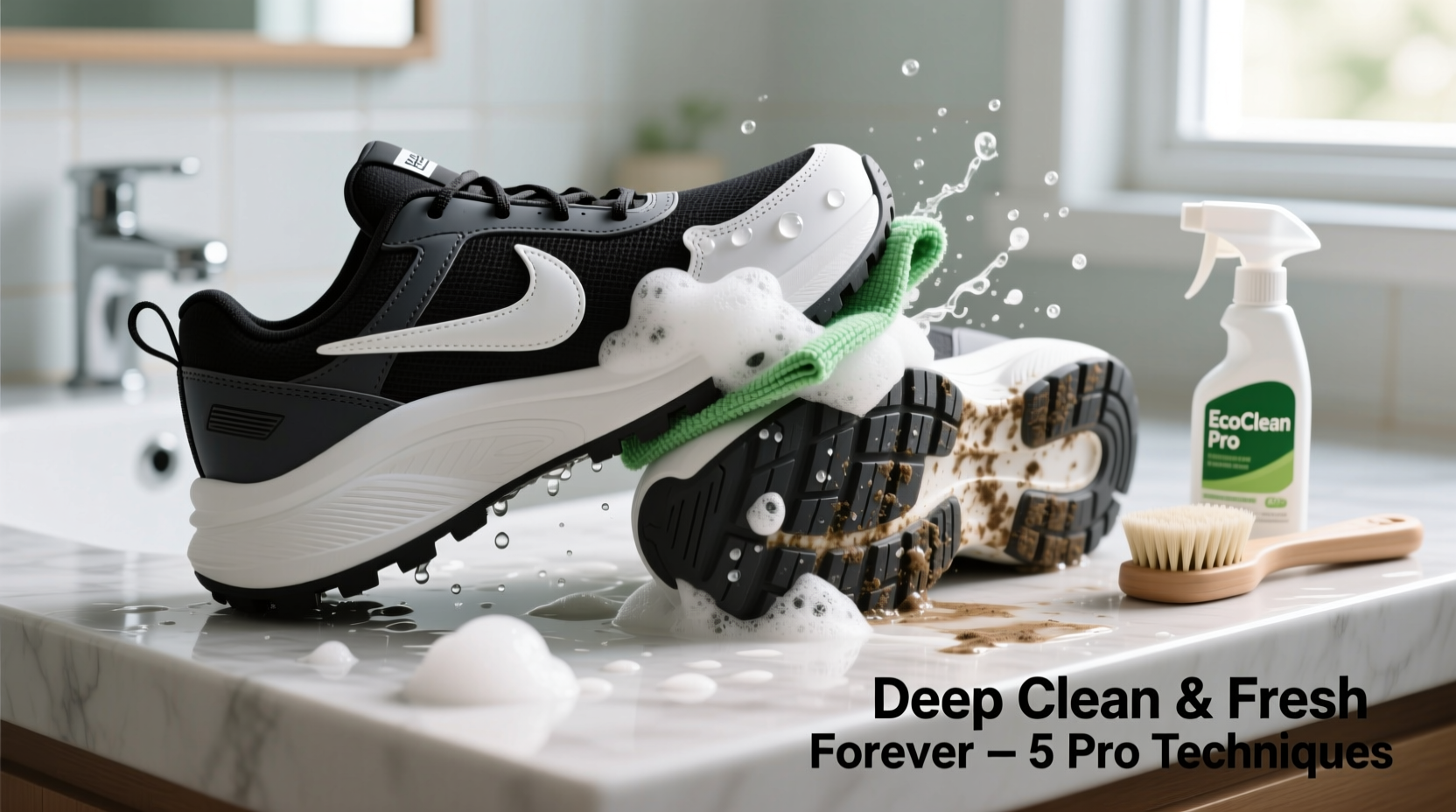
Thick soles, common in running, training, and lifestyle sneakers, feature deep treads and multi-layer cushioning designed to absorb impact and provide stability. Unfortunately, these same design elements trap dirt, mud, and sweat over time. If left uncleaned, debris hardens in grooves, degrading rubber compounds and reducing grip. Meanwhile, fabric or synthetic uppers become breeding grounds for odor-causing bacteria.
Regular surface wipes aren’t enough. A true deep clean reaches into the sole channels, midsole foam, and lining to remove embedded grime. Doing so preserves material elasticity, prevents premature cracking, and keeps your shoes looking and feeling fresh long after purchase.
“Most people don’t realize that trapped moisture and dirt accelerate material breakdown. A deep clean every 4–6 weeks can extend a performance shoe’s life by up to 50%.” — Dr. Lena Torres, Footwear Materials Scientist
Step-by-Step Guide: How to Deep Clean Your Sports Shoes
Cleaning thick-soled athletic shoes requires more than tossing them in the washing machine. Follow this detailed process to ensure safety and effectiveness:
- Remove laces and insoles: Take out the shoelaces and pull the inner footbed (insole) if removable. These components can be cleaned separately and often harbor the most odor.
- Dry brush first: Use a stiff-bristled brush (like an old toothbrush or sneaker cleaning brush) to dislodge dried mud and debris from the sole grooves and upper mesh.
- Prepare cleaning solution: Mix one tablespoon of mild liquid detergent (such as dish soap or specialized sneaker cleaner) with two cups of warm water. Avoid bleach or harsh chemicals.
- Clean the sole: Dip the brush into the solution and scrub the sole thoroughly, focusing on deep treads. Rinse with a damp cloth afterward.
- Clean the upper: Dampen a microfiber cloth with the solution and gently wipe the upper material. For mesh or knit fabrics, avoid soaking; blot instead.
- Wash laces and insoles: Soak laces in the solution for 10 minutes, then scrub lightly. Hand-wash insoles with the cloth, then air-dry completely.
- Air-dry properly: Stuff shoes with crumpled paper towels to maintain shape and absorb moisture. Dry at room temperature, away from direct heat or sunlight.
Do’s and Don’ts When Cleaning Performance Footwear
| Do’s | Don’ts |
|---|---|
| Use soft brushes for delicate uppers | Submerge entire shoes in water |
| Spot-test cleaners on hidden areas | Use bleach or ammonia-based products |
| Air-dry naturally in ventilated space | Expose shoes to direct sunlight |
| Clean every 3–4 weeks with moderate use | Machine wash unless manufacturer-approved |
| Rotate between multiple pairs | Wear same shoes daily without rest |
Real Example: Reviving a Neglected Running Shoe
Jamal, a weekend runner in Portland, wore his trail runners nearly every day for two months straight. After a muddy hike, he wiped the soles but didn’t perform a full clean. Over time, the shoes developed a persistent sour smell and the once-bouncy midsole felt flat. Concerned about replacing them early, he followed the deep-cleaning steps outlined here. After brushing out compacted dirt from the lugs, hand-scrubbing the upper with a gentle mix, and replacing the insoles with odor-absorbing bamboo ones, the shoes regained 80% of their original look and feel. More importantly, the odor disappeared, and Jamal reported renewed confidence in their performance on wet terrain.
This case illustrates how routine neglect leads to avoidable deterioration—and how simple interventions make a dramatic difference.
Essential Tools and Products for Effective Cleaning
Having the right supplies streamlines the process and improves results. Invest in these basics:
- Sneaker cleaning brush set: Includes firm and soft bristles for soles and uppers.
- Mild sneaker-specific cleaner: pH-balanced formulas protect dyes and materials.
- Microfiber cloths: Lint-free and absorbent, ideal for wiping without scratching.
- Baking soda and vinegar: Natural deodorizers for insoles and odor control.
- Paper towels or shoe trees: Help retain shape and wick moisture during drying.
Checklist: Complete Deep-Cleaning Routine
Follow this checklist each time you deep clean your sports shoes to ensure no step is missed:
- ☐ Remove laces and insoles
- ☐ Dry brush outer sole and upper
- ☐ Prepare mild detergent solution
- ☐ Scrub sole treads thoroughly
- ☐ Wipe upper with damp microfiber cloth
- ☐ Soak and clean laces
- ☐ Clean insoles and let air-dry
- ☐ Rinse off soap residue with damp cloth
- ☐ Stuff shoes with paper or insert shoe trees
- ☐ Air-dry for 24 hours in well-ventilated area
- ☐ Reassemble and store properly
Frequently Asked Questions
Can I put my thick-soled sneakers in the washing machine?
It’s not recommended unless the care label explicitly allows it. Most manufacturers advise against machine washing because agitation can delaminate soles, distort uppers, and degrade cushioning. Hand-cleaning is safer and more effective for deep results.
How often should I deep clean new sports shoes?
Every 3 to 4 weeks under regular use. If worn daily or exposed to mud, sweat, or rain frequently, clean every 2 weeks. Light surface wipes can be done weekly to reduce buildup.
What’s the best way to eliminate shoe odor after cleaning?
After cleaning, place activated charcoal packets or cedar shoe inserts inside. Alternatively, leave a small open box of baking soda in your shoe storage area to absorb ambient moisture and smells.
Conclusion: Make Freshness a Habit
Deep cleaning isn’t just about appearance—it’s a critical part of maintaining performance, comfort, and hygiene in your sports footwear. Thick-soled shoes demand special attention due to their complex construction and tendency to trap contaminants. By integrating a structured cleaning routine, using the right tools, and avoiding common mistakes, you protect your investment and keep your shoes functioning like new.
💬 Start today—grab your brush and give your shoes the refresh they deserve. Share your cleaning wins or ask questions in the comments below!








