Starting a fitness journey can feel overwhelming, especially when you're new to exercise. The initial excitement often fades under the weight of inconsistent routines, sore muscles, or lack of visible progress. Yet, building a sustainable workout habit doesn’t require extreme measures or hours at the gym. With the right mindset, structure, and motivation techniques, anyone can begin moving toward better health—one step at a time.
Start Small: Build Consistency Over Intensity
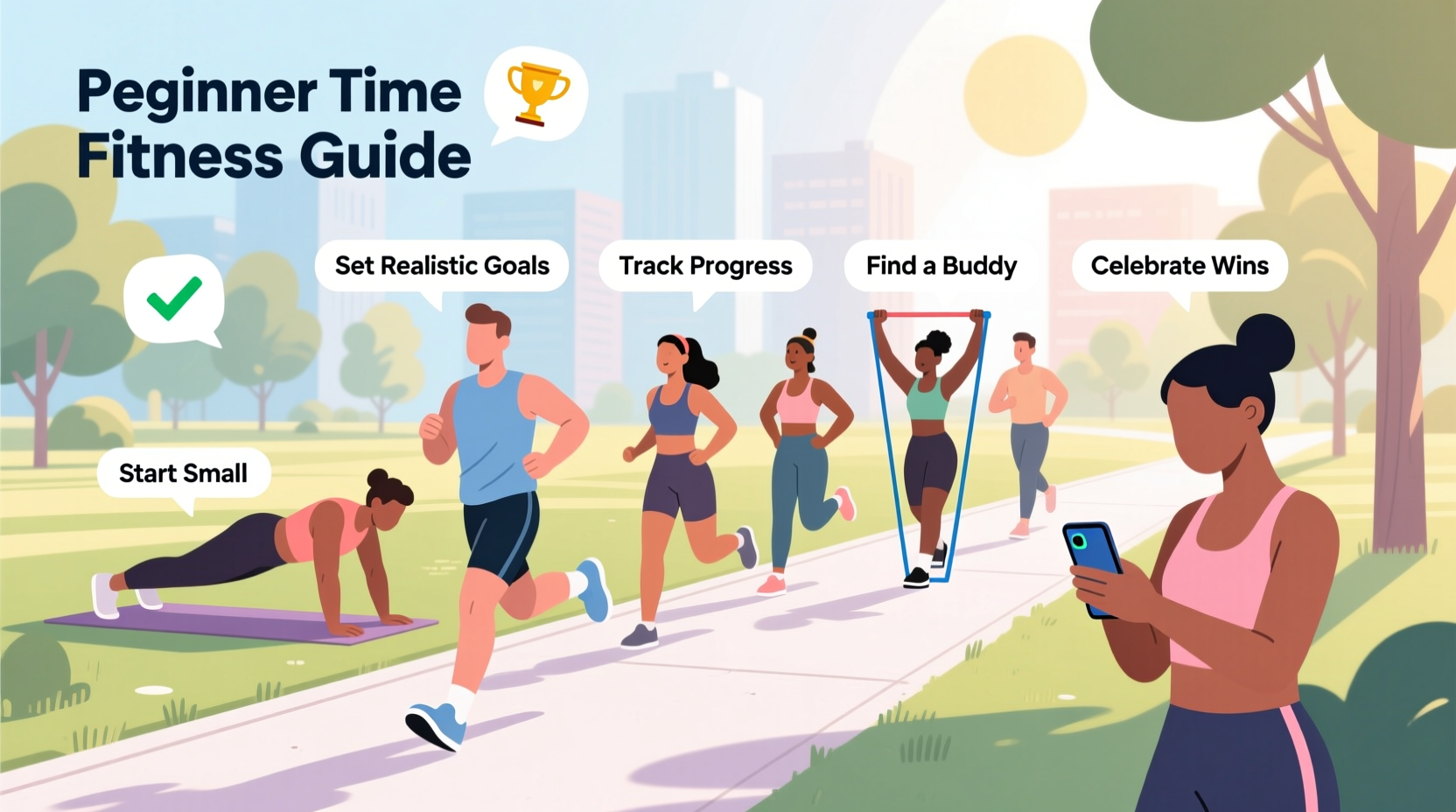
The most common mistake beginners make is trying to do too much too soon. Jumping into intense workouts without proper preparation leads to burnout, injury, or discouragement. Instead, focus on consistency. Begin with just 20–30 minutes of moderate activity three times a week. This could include brisk walking, bodyweight exercises, or beginner yoga.
Small, manageable efforts compound over time. Research shows that people who start with low-intensity routines are more likely to stick with them long-term than those who dive into high-intensity programs immediately.
Tip: Choose an activity you enjoy—whether it’s dancing, cycling, or hiking—because enjoyment increases adherence.Create a Realistic Routine
A well-structured plan reduces decision fatigue and makes exercise a natural part of your day. Your routine should account for your schedule, energy levels, and fitness level. Here’s a sample weekly plan for beginners:
| Day | Activity | Duration | Focus |
|---|---|---|---|
| Monday | Brisk walk + bodyweight squats, push-ups (modified) | 25 min | Full-body activation |
| Tuesday | Rest or light stretching | 10–15 min | Recovery |
| Wednesday | Yoga or mobility routine | 30 min | Flexibility & balance |
| Thursday | Light resistance band workout | 20 min | Strength building |
| Friday | Walk or bike ride | 30 min | Cardio endurance |
| Saturday | Fun activity (dance, swim, hike) | 30–45 min | Movement enjoyment |
| Sunday | Rest | - | Recovery |
This balanced approach prevents overtraining while promoting movement diversity. As strength and stamina improve, gradually increase duration or intensity by no more than 10% per week.
Track Progress Beyond the Scale
Weight is a poor sole indicator of fitness progress. Beginners often become discouraged when the scale doesn’t move, despite feeling stronger or having more energy. Track non-scale victories such as:
- Increased ability to climb stairs without getting winded
- Improved sleep quality
- Greater ease in performing daily tasks
- Consistently completing workouts
- Better posture or reduced back pain
“Motivation follows action. You don’t need to feel motivated to start—you become motivated by starting.” — Dr. Michelle Segar, National Institutes of Health behavior scientist
Stay Motivated with Behavioral Strategies
Motivation fluctuates. Relying solely on willpower is unsustainable. Instead, use proven behavioral techniques to maintain momentum:
1. Use Implementation Intentions
Instead of saying “I’ll work out sometime this week,” define exactly when and where: “I will do a 20-minute home workout every Monday, Wednesday, and Friday at 7 a.m. in my living room.” Specific plans increase follow-through.
2. Leverage Habit Stacking
Attach your workout to an existing habit. For example: “After I brush my teeth in the morning, I will do five minutes of stretching.” This links the new behavior to a deeply ingrained one, making it easier to adopt.
3. Create a Reward System
Not all rewards need to be food-based. Treat yourself to a relaxing bath, a new podcast episode, or a favorite playlist after completing a week of workouts. Positive reinforcement strengthens the habit loop.
4. Find an Accountability Partner
Share your goals with a friend or join a beginner-friendly online community. Social support significantly boosts adherence. Even checking in weekly via text can keep you on track.
5. Reflect Weekly
Spend five minutes each Sunday reviewing what worked and what didn’t. Adjust your plan accordingly. Reflection builds self-awareness and ownership.
Tip: Keep a simple workout journal—just note the date, activity, and how you felt. Over time, patterns emerge that inform smarter choices.Real Example: How Sarah Built a Lasting Routine
Sarah, a 34-year-old office worker, had never exercised regularly. She tried several gym memberships but always quit within weeks. Her turning point came when she shifted her goal from “losing 20 pounds” to “feeling more energetic.”
She started with 10-minute walks during lunch, then added two short home workouts using a free YouTube channel. She paired her morning coffee with five minutes of stretching—a habit stack that stuck. After six weeks, she was walking 30 minutes daily and doing full 25-minute strength sessions three times a week.
What made the difference? She celebrated small wins, tracked her energy levels, and didn’t punish herself for missed days. Now, eight months later, exercise is a non-negotiable part of her routine—not because she’s obsessed with results, but because it enhances her daily life.
Step-by-Step Guide to Starting Strong
- Assess your current fitness level: Can you walk for 10 minutes without stopping? Do basic squats? Be honest to set realistic expectations.
- Pick 2–3 activities you might enjoy: Try free trial classes, apps, or videos to explore options.
- Schedule your first week: Block time in your calendar like any important appointment.
- Gather minimal equipment: A mat, water bottle, and comfortable clothes are enough to begin.
- Complete your first session—even if it’s short: Focus on showing up, not performance.
- Reflect and adjust: After seven days, review what felt good and modify as needed.
Frequently Asked Questions
How do I find time to work out?
You don’t need long sessions. Three 10-minute walks spread through the day offer similar benefits to one 30-minute session. Look for pockets of time—before work, during lunch, or after dinner—and protect them like appointments.
What if I miss a workout?
Mistakes are normal. Missing one session doesn’t ruin progress. The key is to resume immediately without guilt. Ask yourself, “What can I do today?” instead of dwelling on yesterday.
Should I consult a doctor before starting?
If you have chronic conditions (like heart disease, diabetes, or joint issues), or are over 45 and planning vigorous activity, yes. For moderate activities like walking, most healthy adults can start safely without medical clearance.
Final Checklist for Success
- ✅ Define a clear, personal reason for exercising (e.g., more energy, less back pain)
- ✅ Start with 2–3 short sessions per week
- ✅ Choose enjoyable, low-impact activities
- ✅ Schedule workouts in advance
- ✅ Track non-scale progress weekly
- ✅ Celebrate consistency, not perfection
- ✅ Adjust based on how you feel, not rigid rules
Take the First Step Today
Fitness isn’t about achieving a perfect body or hitting arbitrary milestones. It’s about building resilience, improving daily function, and feeling capable in your own skin. The most effective strategy is simply to begin—gently, consistently, and with kindness toward yourself. Every expert was once a beginner. Your journey starts not with a flawless plan, but with a single decision to move.
🚀 Your next workout begins the moment you decide it does. Pick one small action—put on your shoes, stretch for five minutes, watch a beginner video—and do it now. Momentum builds from motion.








