Dogs are naturally curious and energetic, and while off-leash freedom can be a joy for them, it also carries risks. A dog bolting from its owner can lead to accidents, injuries, or even permanent loss. The key isn’t to eliminate off-leash time but to ensure it happens under safe, controlled conditions. With consistent training, proper tools, and an understanding of canine behavior, you can give your dog the freedom they crave—without compromising safety.
Understanding Why Dogs Run Off
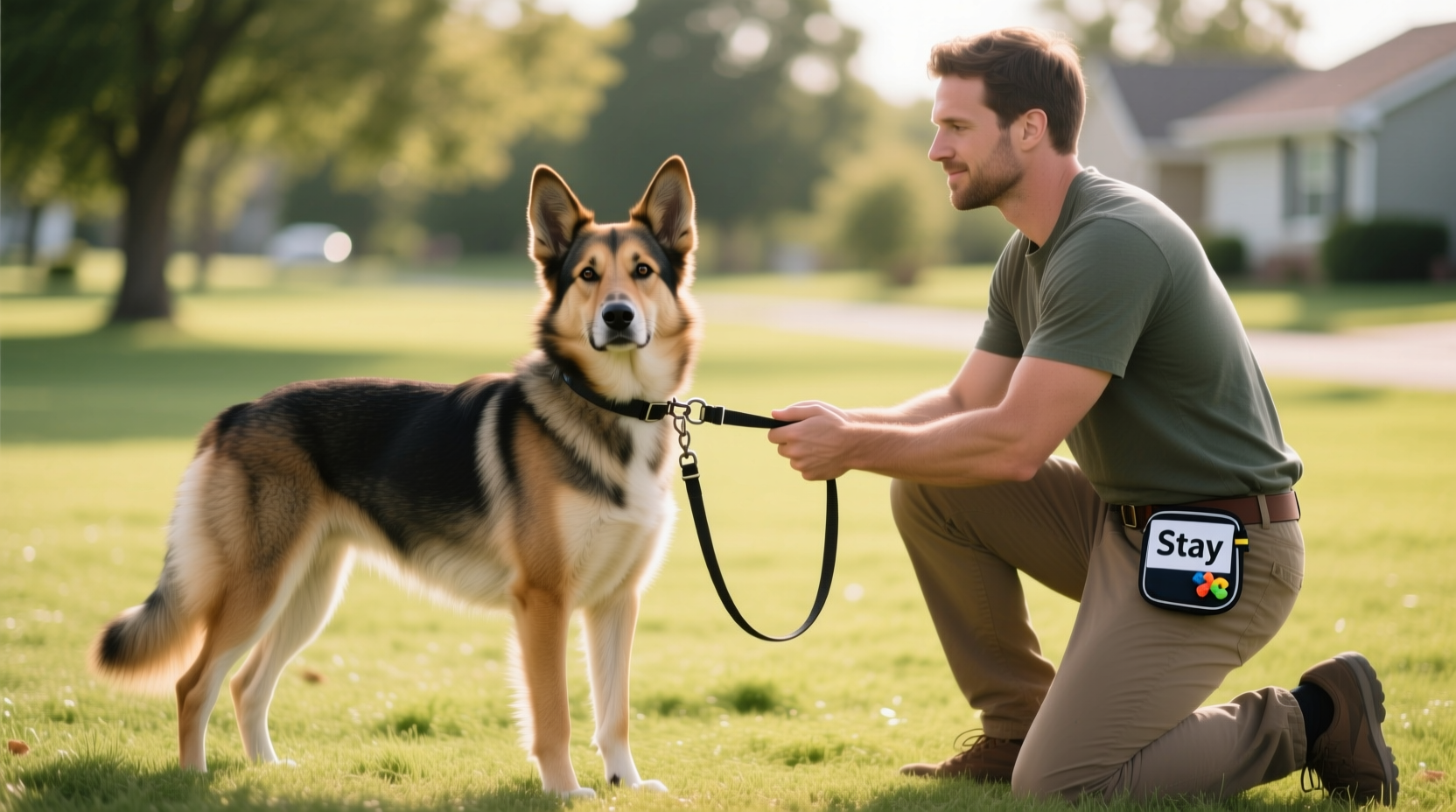
Dogs don’t run away out of defiance; they act on instinct. Scent-driven breeds like Beagles or Hounds may chase a rabbit trail without thinking. Herding dogs might bolt after moving objects like bikes or cars. Even well-trained pets can become distracted by loud noises, other animals, or sudden excitement.
The root causes often include:
- Lack of reliable recall training
- Overstimulation in high-distraction environments
- Inadequate exercise leading to pent-up energy
- Poor impulse control
- Fear or anxiety triggered by unfamiliar stimuli
Recognizing these triggers is the first step toward prevention. Training should not just focus on commands but also on building trust, attention, and self-control.
Tip: Never punish your dog when they finally return after running off—it discourages future recalls. Reward them instead, even if reluctantly.Step-by-Step Guide to Building Reliable Recall
A strong recall command is the cornerstone of off-leash safety. Follow this structured timeline to develop a dependable response, even in distracting environments.
- Start Indoors (Week 1–2): Practice “come” in a quiet room using high-value treats. Say your dog’s name followed by “come,” then reward immediately upon arrival.
- Move to a Fenced Yard (Week 3–4): Increase distance and add mild distractions like toys or family members. Use a long training leash (15–30 feet) for safety.
- Introduce Public Spaces (Week 5–6): Visit low-traffic parks during off-peak hours. Keep sessions short and rewarding. Always use a long line until reliability is proven.
- Add Distractions Gradually: Practice near squirrels, other dogs, or cyclists—but only if your dog consistently responds to the cue.
- Test Off-Leash (Only After Mastery): Choose secure areas initially. Carry treats and end sessions on a positive note before releasing the leash fully.
Consistency is critical. Practice daily, keep sessions fun, and never skip maintenance—even after success.
Essential Tools for Safe Off-Leash Management
No amount of training replaces smart equipment choices. The right gear reduces risk and supports learning.
| Tool | Best For | Limitations |
|---|---|---|
| Long Training Leash (15–30 ft) | Gradual transition to off-leash freedom | Can tangle; requires open space |
| Front-Clip Harness | Dogs prone to pulling or lunging | Less effective for escape artists |
| GPS Tracker Collar | Dogs with a history of bolting | Battery life varies; not a substitute for training |
| Whistle with Unique Sound | Distance recall in noisy or wooded areas | Requires prior conditioning |
Pair tools with training—not as replacements, but as support systems. A GPS tracker won’t stop a dog from running, but it could help recover them quickly if they do.
Real Example: Turning Around a Bolting Border Collie
Sarah adopted Milo, a young Border Collie, who loved chasing birds at the park. Despite being obedient at home, he would ignore calls once off-leash. After two close calls with traffic, Sarah sought help from a certified dog trainer.
The plan included:
- Using a 20-foot rope line to allow movement while maintaining control
- Teaching a new recall cue (“Here, Milo!”) paired with chicken rewards
- Practicing near bird flocks with gradual exposure
- Introducing a whistle for long-distance signals
Within eight weeks, Milo responded reliably 90% of the time in moderate distractions. By month four, he earned full off-leash privileges in designated dog parks. The turning point? Consistent practice and never allowing unrestrained freedom until trust was rebuilt.
“Recall isn’t just a command—it’s a relationship built on predictability and reward.” — Dr. Lisa Marquez, Certified Animal Behaviorist
Checklist: Preparing for Safe Off-Leash Time
Before removing the leash, ensure your dog meets these criteria. If any box remains unchecked, continue training in controlled environments.
- ✅ Responds to recall 9 out of 10 times in low-distraction settings
- ✅ Comes back even when mildly distracted (e.g., another dog in the distance)
- ✅ Has no history of aggression or extreme fear in public
- ✅ Wears ID tags and/or a GPS tracker
- ✅ Is exercised before off-leash time to reduce hyperactivity
- ✅ You have high-value treats ready during early off-leash trials
- ✅ You’re in a securely enclosed area or legal off-leash zone
Common Mistakes That Undermine Safety
Even well-meaning owners make errors that encourage bolting behavior. Avoid these pitfalls:
- Allowing off-leash access too soon: Just because a dog listens at home doesn’t mean they’ll respond at the park.
- Inconsistent reinforcement: Sometimes rewarding, sometimes scolding confuses dogs and weakens trust.
- Using punishment after a return: Yelling or jerking the leash teaches dogs that coming back leads to negative outcomes.
- Skipping mental and physical exercise: An overstimulated dog is less likely to focus on commands.
- Ignoring breed tendencies: Sighthounds, scent hounds, and working breeds need extra caution due to strong instincts.
FAQ
What if my dog ignores me every time I call?
If your dog consistently fails to respond, revert to earlier training stages. Use a long line in a quiet area and rebuild the behavior with stronger rewards. Consider consulting a professional trainer to rule out underlying behavioral issues.
Can older dogs learn reliable recall?
Yes, though it may take longer. Older dogs benefit from shorter, more frequent sessions. Focus on creating positive associations with the recall command, and be patient. Age doesn’t diminish learning capacity—just pace.
Is it ever safe to let a dog off-leash in an unfenced area?
Only if your dog has demonstrated flawless recall across multiple high-distraction environments over several months. Even then, carry a leash and avoid roads, wildlife zones, or crowded trails. When in doubt, keep them leashed.
Conclusion: Freedom Built on Trust and Training
Preventing your dog from running off isn’t about restriction—it’s about responsible freedom. With patience, consistency, and the right approach, you can enjoy worry-free walks and off-leash playtime. The goal isn’t perfection but progress: a dog who chooses to return because they trust you, value the reward, and feel secure in your presence.
💬 Have a success story or challenge with off-leash training? Share your experience below and help fellow dog owners build safer, happier relationships with their pets.








