Shin splints—medically known as medial tibial stress syndrome—are a common but often misunderstood condition affecting runners, dancers, military recruits, and anyone engaging in repetitive impact activities. Characterized by sharp or dull pain along the inner edge of the shinbone, this overuse injury can sideline even the most dedicated athletes. While rest provides temporary relief, true recovery and long-term prevention require a strategic, multifaceted approach. Understanding the root causes, implementing targeted healing methods, and adjusting training habits are essential for lasting relief.
Understanding the Causes of Shin Splints
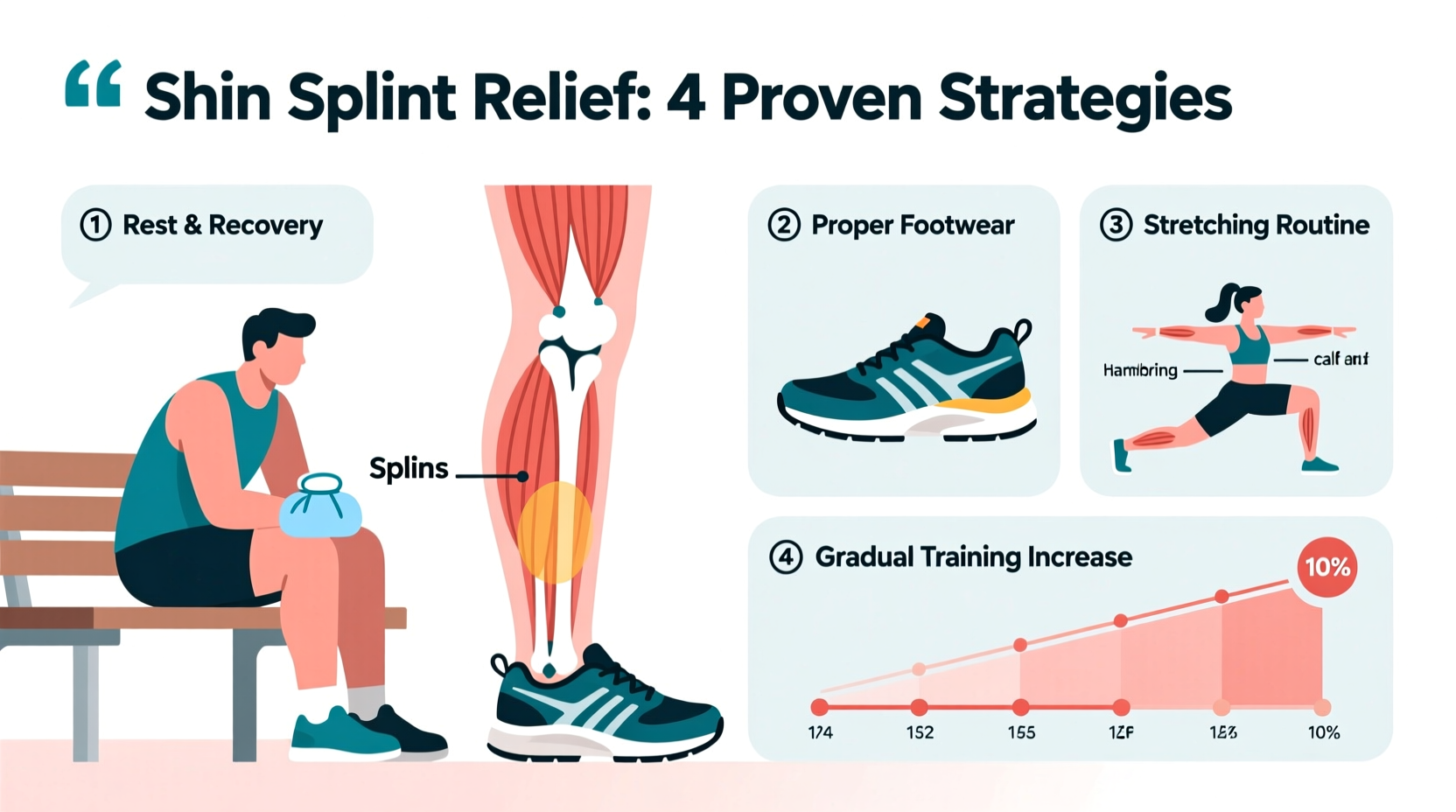
Shin splints develop when the muscles, tendons, and bone tissue around the tibia become inflamed due to repetitive stress. This typically occurs when activity volume or intensity increases too quickly without adequate adaptation. Common contributing factors include:
- Sudden increase in training load: Running longer distances or more frequently than your body is conditioned for.
- Running on hard surfaces: Concrete and asphalt amplify impact forces transmitted through the lower leg.
- Flat feet or overpronation: Excessive inward rolling of the foot alters biomechanics and increases strain on the tibialis posterior muscle.
- Weak calf and hip stabilizers: Poor muscular support leads to improper force distribution during gait.
- Inappropriate footwear: Worn-out or unsupportive shoes fail to absorb shock effectively.
Ignoring early symptoms often leads to chronic discomfort or more serious conditions like stress fractures. Recognizing the warning signs—tenderness, swelling, and pain that worsens with activity—is the first step toward effective intervention.
Tip: If shin pain persists beyond 5–10 minutes into a run, stop and walk. Pushing through pain delays healing and increases injury risk.Evidence-Based Recovery Strategies
Healing shin splints isn’t just about rest—it’s about active recovery. The goal is to reduce inflammation, restore tissue health, and maintain fitness safely. A phased approach yields the best results.
- Relative Rest: Cease high-impact activities, but substitute with low-impact cross-training such as swimming, cycling, or aqua jogging to maintain cardiovascular fitness.
- Cryotherapy: Apply ice packs to the affected area for 15–20 minutes several times daily, especially after activity, to reduce inflammation.
- Compression: Use compression sleeves or socks during the day to minimize swelling and support circulation.
- Elevation: Elevate legs above heart level when resting to promote fluid drainage.
- Manual Therapy: Seek soft tissue work from a physical therapist, including massage or instrument-assisted techniques like Graston, to release tension in the tibialis anterior and posterior muscles.
“Shin splints are rarely an isolated issue—they’re usually a symptom of underlying biomechanical inefficiencies.” — Dr. Lena Patel, Sports Medicine Specialist
Preventive Training Adjustments
Returning to activity without modifying training habits invites recurrence. Prevention hinges on intelligent programming and biomechanical awareness.
| Do’s | Don’ts |
|---|---|
| Increase weekly mileage by no more than 10% | Increase distance or speed abruptly |
| Run on softer surfaces (grass, trails, synthetic tracks) | Consistently train on concrete |
| Replace running shoes every 300–500 miles | Use worn-out or ill-fitting footwear |
| Incorporate strength training 2–3x per week | Neglect lower leg and core conditioning |
| Warm up with dynamic stretches before runs | Start intense workouts cold |
Gradual progression allows connective tissues and bones time to adapt to stress. The “10% Rule” is a reliable guideline: never increase weekly running distance by more than 10% compared to the previous week.
Strengthening and Mobility Protocols
Strong, resilient muscles absorb impact and stabilize joints. Weakness in the calves, glutes, and deep foot muscles contributes significantly to shin overload.
Essential Exercises for Shin Health
- Heel Walks: Walk 20–30 feet on your heels, toes pointed upward. This strengthens the tibialis anterior. Perform 3 sets.
- Toes Raises: Stand barefoot, lift only the front of your feet off the ground while keeping heels down. 3 sets of 15 reps build intrinsic foot strength.
- Eccentric Heel Drops: Stand on a step, rise onto both toes, then slowly lower the injured leg over 3–5 seconds. 3 sets of 12 enhance tendon resilience.
- Single-Leg Balance: Stand on one foot for 60 seconds, eyes open then closed. Improves proprioception and ankle stability.
- Glute Bridges: Lie on your back, knees bent, lift hips while squeezing glutes. 3 sets of 15 correct pelvic instability that affects gait.
Stretching tight muscles is equally important. Focus on the gastrocnemius, soleus, and hip flexors. Hold each stretch for 30 seconds, twice daily.
Tip: Roll your feet over a frozen water bottle daily to combine myofascial release with cryotherapy—especially helpful post-run.Real-World Recovery: A Runner’s Journey
Consider Sarah, a 28-year-old recreational runner training for her first half-marathon. After increasing her weekly mileage from 15 to 25 miles in two weeks, she developed sharp shin pain. She ignored it for three runs until walking became uncomfortable. She consulted a physical therapist who diagnosed medial tibial stress syndrome.
Her recovery plan included:
- Two weeks of pool running and cycling instead of land running.
- Daily eccentric heel drops and foot strengthening exercises.
- Gait analysis revealing overpronation; she was fitted with custom orthotics.
- A revised training schedule with only 10% weekly increases.
After six weeks, Sarah returned to running pain-free. Two years later, she remains injury-free by adhering to preventive strength routines and respecting training limits.
Step-by-Step Return-to-Run Protocol
After 7–14 days of pain-free rest and rehab, follow this structured return plan:
- Week 1: Alternate 1 minute of running with 2 minutes of walking for 20 minutes total. Repeat 3 times, non-consecutive days.
- Week 2: Increase to 2 minutes running, 1 minute walking. Total duration: 25 minutes. Repeat 3–4 times.
- Week 3: Run continuously for 10 minutes, followed by walking cooldown. Gradually extend run time by 5 minutes every other session.
- Week 4: Resume normal pace and distance at 50% of pre-injury volume. Monitor for any pain during or after.
- Ongoing: Maintain strength work and avoid consecutive high-impact days.
If pain returns at any stage, revert to the previous phase for an additional week.
Frequently Asked Questions
Can I still exercise with shin splints?
Yes, but avoid high-impact activities. Opt for swimming, cycling, elliptical training, or upper-body strength workouts to maintain fitness while allowing the shins to heal.
How long does it take to recover from shin splints?
Recovery varies, but most people see improvement within 2–6 weeks with proper rest and rehabilitation. Chronic cases may require 8–12 weeks. Rushing back increases relapse risk.
Are orthotics necessary for preventing shin splints?
Not for everyone, but individuals with flat feet or significant overpronation often benefit from custom or over-the-counter orthotics. A podiatrist or physical therapist can assess your foot mechanics and recommend appropriate support.
Conclusion: Take Control of Your Lower Leg Health
Shin splints don’t have to be a recurring obstacle. By combining timely recovery strategies with proactive prevention, you can resolve pain and build a more resilient musculoskeletal system. Healing requires patience, consistency, and attention to detail—from choosing the right shoes to mastering proper running form. The goal isn’t just to eliminate pain today, but to create a sustainable foundation for lifelong activity.
🚀 Ready to run stronger and pain-free? Start with one change today—replace old shoes, add heel drops to your routine, or schedule a gait analysis. Small steps lead to lasting relief.








