
New men’s work boots are built for durability and protection, but their rugged construction often comes at the cost of initial comfort. For hikers who rely on these sturdy boots for trail performance, skipping the break-in process can lead to painful blisters, sore feet, and even long-term discomfort. Unlike casual footwear, work boots feature thick leather, reinforced soles, and structured support systems that need time to adapt to your foot’s shape and movement. A proper break-in routine ensures your boots mold to your feet while maintaining structural integrity, turning a stiff pair into a reliable companion for rugged terrain.
Why Breaking In Work Boots Matters for Hiking
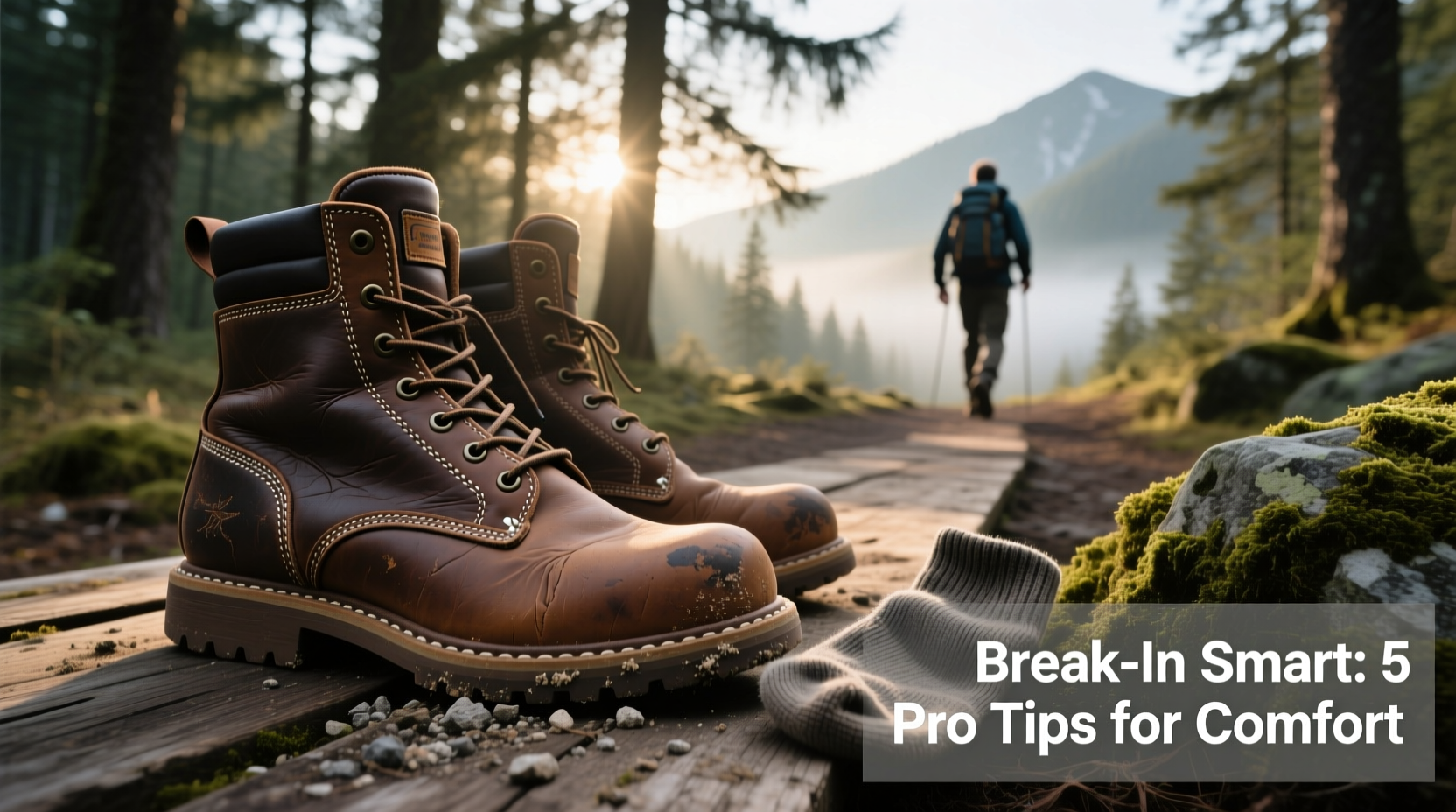
Hiking demands consistent foot movement over uneven ground, requiring boots to flex naturally with each step. Factory-new work boots typically resist this motion due to stiff midsoles and unyielding uppers. Without conditioning, pressure points develop where the boot rubs against tendons, heels, and toes—especially during descents or prolonged use. The consequences go beyond discomfort: poorly broken-in boots increase the risk of ankle rolls, reduce traction efficiency, and compromise balance on slippery surfaces.
Properly broken-in boots conform to your foot’s contours, improving weight distribution and reducing hot spots. This adaptation enhances stability, allowing you to hike longer with less fatigue. Additionally, conditioned leather becomes more breathable and water-resistant over time, making it better suited for variable trail conditions.
“Skipping the break-in phase is one of the most common mistakes outdoor enthusiasts make. Your boots should serve you—not punish you.” — Daniel Reyes, Outdoor Footwear Specialist and Appalachian Trail Guide
Step-by-Step Guide to Break In Work Boots Safely
Breaking in work boots isn’t about rushing the process—it’s about controlled exposure that encourages gradual softening without damaging materials. Follow this six-phase timeline to ensure optimal results before hitting the trail.
- Indoor Wear (Days 1–3): Start by wearing your boots around the house for 1–2 hours daily. Pair them with hiking socks to simulate real conditions. Walk on hard and carpeted floors to test flexibility and identify early pressure zones.
- Short Outdoor Walks (Days 4–7): Move to sidewalks or flat trails for 20–30 minute walks. Focus on heel-to-toe transitions and slight inclines. Inspect for redness or irritation after each session.
- Incorporate Elevation (Week 2): Gradually add stairs, hills, or rocky paths. Carry a light daypack to mimic hiking load. Limit sessions to 60 minutes maximum.
- Moisture Conditioning (Ongoing): After each wear, apply a small amount of leather conditioner to areas showing creasing. Avoid soaking; dampen a cloth and wipe evenly.
- Night Shaping (Optional): Insert boot stretchers or rolled towels into the toe box overnight to gently expand tight areas. Do not force expansion aggressively.
- Trail Test (End of Week 3): Attempt a 3–5 mile hike on moderate terrain. Monitor fit, heel slip, and overall comfort. Address lingering issues before extended trips.
Do’s and Don’ts When Breaking In Stiff Leather Boots
| Do’s | Don’ts |
|---|---|
| Wear moisture-wicking hiking socks during break-in | Use cotton socks that retain sweat and cause friction |
| Apply leather conditioner every 3–4 wears | Over-condition, which can weaken stitching and padding |
| Alternate with another pair to allow boots to rest | Wear the same boots daily without drying time |
| Tie laces snugly to minimize heel lift | Loosen laces to relieve tightness—this increases internal rubbing |
| Use moleskin or blister pads on sensitive areas | Ignore hot spots—they will become blisters |
Real Example: From Workshop to Wilderness
James, a carpenter and weekend backpacker, purchased a pair of steel-toe composite work boots expecting dual-duty performance. On his first forest hike, he endured sharp heel chafing and toe cramping after just two miles. Instead of returning the boots, he followed a structured indoor-outdoor rotation: three days of household wear, four days of suburban walking, then progressive hikes on gravel trails. He applied mink oil weekly and used a heat gun (on low) for 30 seconds before wearing to soften cold-stiffened leather. By day 21, he completed an 8-mile ridge trail with zero discomfort. “They still protect my feet on job sites,” he said, “but now they move like part of my body on the trail.”
Essential Tools and Accessories for Faster Adaptation
Certain products accelerate the break-in process without compromising boot longevity. These are not shortcuts, but smart aids that support natural material adjustment.
- Leather Conditioner: Restores oils lost during manufacturing. Opt for beeswax-based formulas that also enhance water resistance.
- Shoe Stretch Spray: Penetrates tight areas like the instep or toe box. Use sparingly and walk in boots immediately after application.
- Heel Lock Lacing: Prevents slippage that causes blisters. Cross laces diagonally across the ankle collar for secure hold.
- Memory Foam Insoles: Replace factory inserts to improve cushioning and encourage faster molding.
- Boot Trees or Towel Rolls: Maintain shape and stretch problem zones overnight.
Frequently Asked Questions
How long does it take to break in men’s work boots?
Most users require 20–30 hours of cumulative wear to fully break in a new pair. This typically spans 3–4 weeks with consistent daily use. Some full-grain leather models may take up to 50 hours, depending on thickness and tanning method.
Can I speed up the break-in process with heat?
Yes, but cautiously. Using a hairdryer on medium heat for 1–2 minutes while flexing the boot can help soften rigid areas. Never apply direct heat above 120°F (49°C), as excessive temperatures degrade adhesives and warp soles.
What if my boots still hurt after breaking them in?
Persistent pain suggests poor fit rather than insufficient break-in. Check toe room (half-inch clearance), arch support match, and width adequacy. Consider professional stretching or switching models if discomfort continues after 40 hours of wear.
Final Checklist Before Your First Hike
- ✅ No visible redness or blister formation after 60-minute wear
- Tested through multiple short walks and indoor use.
- ✅ Heel lifts no more than 3mm during downhill steps
- Laced properly using heel-lock technique.
- ✅ Leather shows natural creasing at flex points
- Indicates material has begun conforming to foot motion.
- ✅ No pinching at ankle, instep, or toe box
- Especially important when carrying weight.
- ✅ Boots have been cleaned and conditioned at least twice
- Ensures moisture protection and surface resilience.
Conclusion: Step Into Comfort With Confidence
Breaking in men’s work boots doesn’t have to be a trial of pain and patience. With deliberate, phased wear and the right care techniques, you transform rigid, protective footwear into agile trail allies. The investment in proper break-in pays dividends in endurance, safety, and enjoyment on every hike. Don’t let discomfort dictate your adventures—prepare wisely, listen to your feet, and let your boots evolve with every mile.
💬 Have a break-in success story or tip? Share your experience below and help fellow hikers start their journeys on the right foot!








