Selling a camper can be a rewarding experience—both financially and emotionally—especially when you get a fair price and find a buyer who will cherish it as much as you did. However, simply listing your camper online with a few photos rarely yields optimal results. The key to a successful sale lies in preparation, strategic pricing, targeted marketing, and confident negotiation. Whether you own a vintage travel trailer, a modern Class C motorhome, or a rugged off-road camper van, these proven steps will help you maximize your return and minimize time on the market.
1. Assess Your Camper’s True Market Value
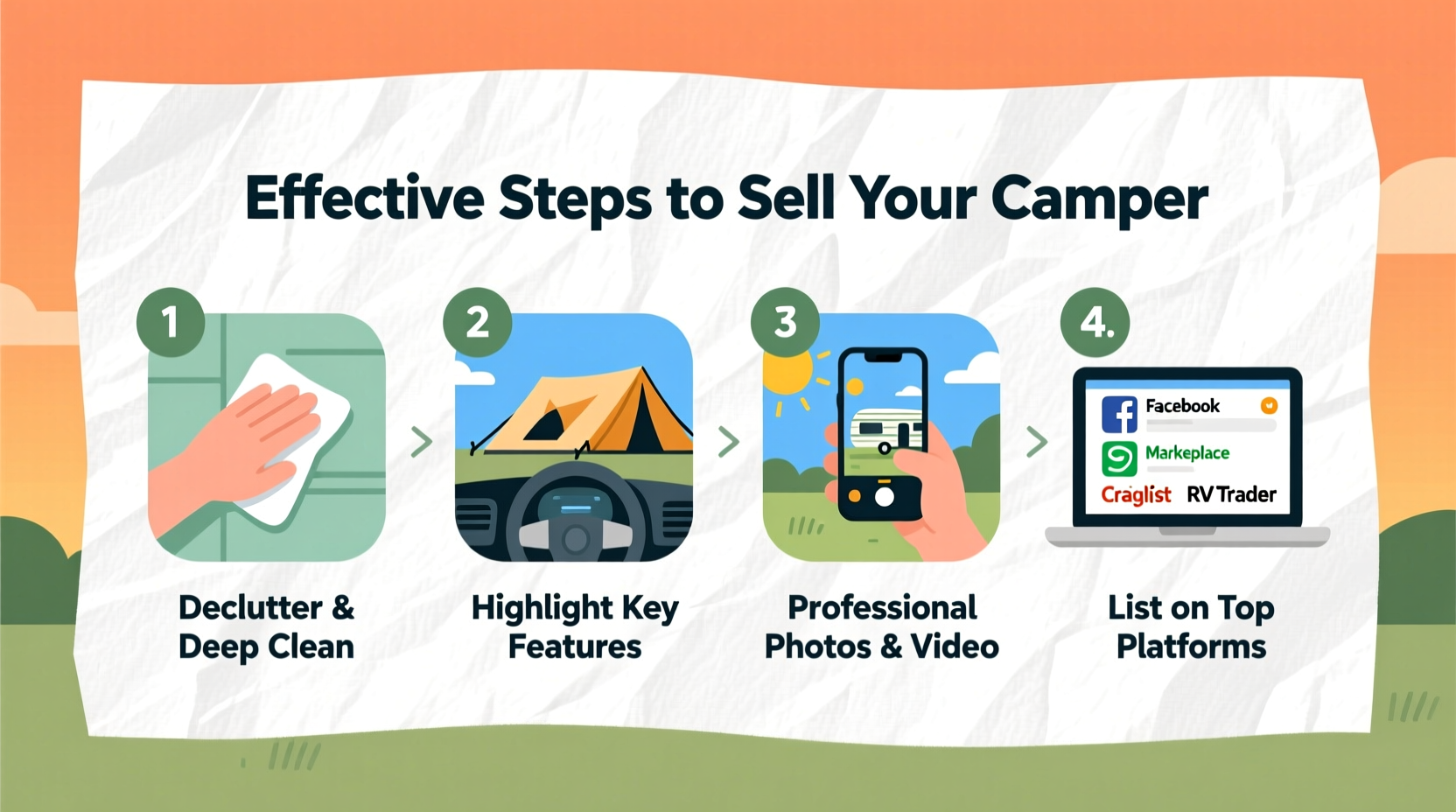
Before setting a price, research what similar campers are selling for in your region. Overpricing scares off serious buyers; underpricing leaves money on the table. Start by searching platforms like RV Trader, Craigslist, and Facebook Marketplace for units matching your year, make, model, mileage, and condition.
Pay attention not only to listed prices but also to how long those units have been available. A camper sitting unsold for three months at $40,000 may realistically be worth closer to $35,000. Use this data to establish a competitive yet profitable price point.
Tip: Check NADA Guides or Kelley Blue Book (KBB) RV values as reference tools, but always prioritize real-world local listings over automated valuations.2. Prepare Your Camper for Sale: Clean, Repair, and Document
A well-maintained appearance builds trust and justifies your asking price. Buyers often assume that visible neglect reflects deeper mechanical or structural issues. Invest time in deep cleaning both interior and exterior surfaces. Remove personal items, odors, and clutter to allow potential buyers to envision themselves using the camper.
Address minor repairs such as leaky faucets, cracked seals, faulty lights, or worn tires. Even small fixes signal that you’ve cared for the unit. For major systems—plumbing, electrical, propane, and HVAC—consider getting a professional inspection. Providing a recent service report adds credibility and reduces buyer hesitation.
“Sellers who provide maintenance records see 20–30% faster sales than those who don’t.” — Mark Reynolds, RV Sales Consultant with 15 years of industry experience
Camper Preparation Checklist
- Wash exterior and clean roof vents, awnings, and windows
- Deep clean interior: cabinets, fridge, stove, bathroom, upholstery
- Replace burnt-out bulbs and damaged decals
- Fix leaks, drips, or malfunctioning appliances
- Gather service records, manuals, and warranty information
- Detail the interior to eliminate pet or cooking odors
- Ensure all slide-outs operate smoothly
- Check battery health and charging system
3. Capture High-Quality Photos and Write a Compelling Listing
Your listing is your primary sales tool. Poor photos and vague descriptions are the top reasons campers fail to attract offers. Take clear, well-lit photos in natural daylight. Include wide-angle shots of the exterior, close-ups of key features (kitchen, bathroom, sleeping areas), and images of recent upgrades or repairs.
The written description should highlight unique selling points: solar panels, generator type, fuel efficiency, storage capacity, towing compatibility, or custom modifications. Be honest about wear and tear—transparency fosters trust.
| Do’s | Don’ts |
|---|---|
| Use descriptive titles: “2018 Jayco Greyhawk 31DS – Low Miles, Garage Ready” | Use vague titles: “Nice RV for Sale” |
| Include dimensions, GVWR, sleeping capacity, and tank sizes | Omit technical specs or assume buyers will ask |
| Mention recent maintenance: “New tires installed May 2024” | Claim “perfect condition” without evidence |
| Add interior video walkthrough (optional but powerful) | Use blurry or dark photos |
4. Choose the Right Sales Channels
Not all platforms attract the same audience. Maximize exposure by listing across multiple channels while tailoring your approach to each.
- RVT.com and RV Trader: Best for serious buyers actively searching for RVs. Fees apply, but visibility is high.
- Craigslist: Effective for local sales with no commission. Use regional submarkets (e.g., “Portland” or “Denver”) for better reach.
- Facebook Marketplace and RV groups: Ideal for quick, peer-to-peer sales. Join niche communities like “Van Life for Sale” or “Class B Motorhomes Only” for targeted exposure.
- Consignment Lots: If you lack time to manage showings, some dealers offer consignment services for a 10–15% commission.
5. Negotiate Smartly and Close the Deal Safely
Expect negotiation. Most buyers will lowball initially, often 10–20% below asking price. Determine your bottom line in advance and be ready to justify your price with documentation—service receipts, upgrade lists, and comparable sales.
When accepting an offer, insist on secure payment. Cash, certified checks, or escrow services (like Etsy Payments or specialized RV escrow platforms) protect both parties. Never release the camper until funds have fully cleared your bank.
Complete the title transfer according to your state’s DMV requirements. In many states, both buyer and seller must sign the title, and a bill of sale is recommended. Remove license plates if required by your jurisdiction.
Real Example: How Sarah Sold Her Camper Van in 11 Days
Sarah owned a 2020 Mercedes-Benz Sprinter conversion with solar power, a rooftop tent, and custom cabinetry. After her initial $89,000 listing received no inquiries, she reevaluated. She discovered similar vans in her region sold between $78,000 and $82,000. She adjusted her price to $81,900, invested $300 in detailing, and added a 3-minute video tour.
She posted across RVT.com, Facebook Marketplace, and two vanlife subreddits. Within three days, she had five serious inquiries. After a transparent conversation about tire age and battery health, she accepted an offer at $80,000—paid via escrow. The entire process, from relisting to delivery, took 11 days.
Frequently Asked Questions
Should I let buyers take the camper for a test drive?
Yes, but with precautions. Verify their driver’s license, accompany them on the drive, and ensure they understand the vehicle’s size and handling. Do not allow unaccompanied test drives unless you’re working through a dealer or trusted third party.
Do I need to disclose past accidents or water damage?
Legally, yes—in most states. Failing to disclose known structural or mechanical issues can result in post-sale liability. It’s better to address concerns upfront and provide repair documentation to reassure buyers.
Can I trade in my camper instead of selling privately?
You can, but expect lower value. Dealerships factor in reconditioning and resale costs, so private sales typically yield 20–30% more. Trade-ins are convenient if you’re purchasing a new RV and want to simplify the process.
Conclusion: Take Action and Sell with Confidence
Selling a camper doesn’t have to be stressful or prolonged. By accurately pricing your unit, presenting it professionally, and leveraging the right platforms, you position yourself for a fast, fair sale. Remember, preparation is power. The effort you invest in cleaning, repairing, photographing, and documenting your camper directly impacts the offers you receive.
🚀 Ready to sell? Start today: Pull your camper into the sunlight, grab your camera, and begin with one perfect photo. Then move step by step through this guide. Your next chapter starts the moment you take action.








