River smallmouth bass are among the most aggressive and acrobatic freshwater fish in North America. Found in clear, flowing waters from the Great Lakes to the Ozarks, they demand precision, patience, and the right lure selection. Unlike their largemouth cousins, smallmouth thrive in current, rocky bottoms, and cooler temperatures, which means your gear choices must match their habitat and behavior. Choosing effective smallmouth lures isn’t just about color or size—it’s about mimicking natural prey, triggering reaction strikes, and adapting to water conditions. This guide breaks down the top-performing lures, when and how to use them, and proven strategies that consistently put fish in the boat.
The Top 5 Lure Types for River Smallmouth
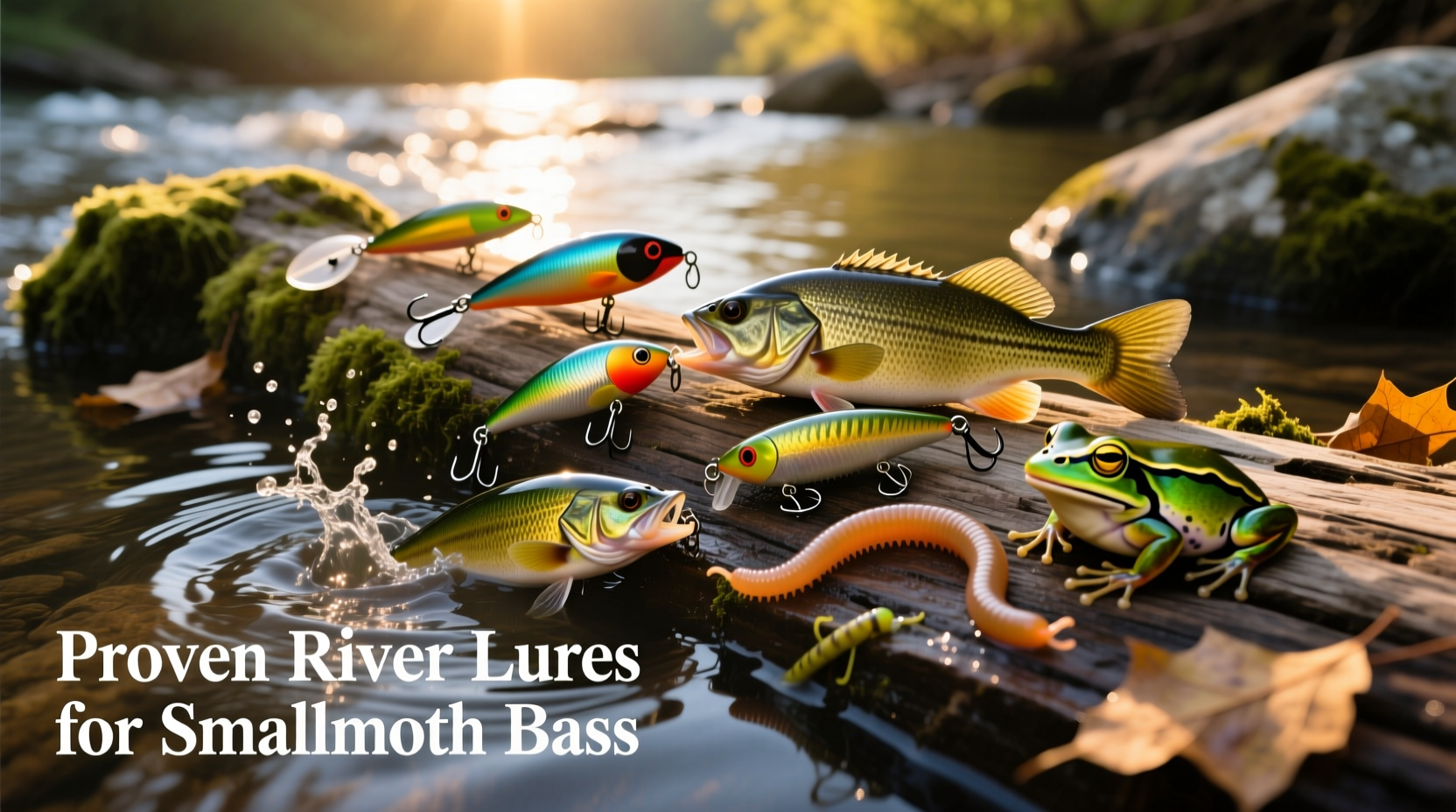
Smallmouth in rivers respond best to lures that imitate crayfish, baitfish, and insects—primary components of their diet. The following five lure categories have stood the test of time and countless river trips:
- Crankbaits – Ideal for covering water quickly and probing deeper runs and ledges.
- Soft Plastics (Tubes & Creature Baits) – Excellent for finesse presentations around rocks and current breaks.
- Topwater Poppers & Walk-the-Dog Baits – Most effective at dawn and dusk when smallmouth feed near the surface.
- Jigs (Football & Stand-Up) – Perfect for dragging along rocky bottoms where smallies hide.
- Spinnerbaits & Inline Spinners – Work well in stained water or low light and generate vibration that attracts fish.
Seasonal Strategies and Lure Selection
Smallmouth behavior shifts with water temperature and spawning cycles. Adjusting your lure choices by season dramatically increases success.
| Season | Water Temp (°F) | Best Lures | Key Locations |
|---|---|---|---|
| Spring (Pre-Spawn) | 50–58 | Jigs, slow-sinking crankbaits, tubes | Deep rock bars, channel edges |
| Spring (Spawn) | 59–65 | Light jigs, Ned rigs, small plastics | Shallow gravel flats, tailouts |
| Summer | 66–75 | Topwater, deep divers, spinnerbaits | Mid-river boulders, undercut banks |
| Fall | 55–65 | Crankbaits, jerkbaits, heavy jigs | Downstream pools, confluences |
| Winter | 40–50 | Slow-rolled spinners, finesse plastics | Deep holes, slack eddies |
In early spring, smallmouth move into shallower zones to spawn, making them vulnerable to subtle presentations. As summer heat sets in, they retreat to deeper, oxygen-rich pockets near current seams. Fall triggers aggressive feeding as fish prepare for winter, making reaction lures like squarebill crankbaits especially deadly.
Proven Techniques for River-Specific Conditions
Rivers present unique challenges: current, variable depth, snags, and limited casting angles. Success depends on mastering a few key techniques tailored to moving water.
- Upstream Drift Casting: Cast slightly upstream and allow your lure to drift naturally with the current. This works exceptionally well with tube jigs and Ned rigs.
- Current Break Targeting: Focus on areas where fast water meets slow—behind boulders, along seam lines, and below riffles. These are ambush points.
- Bump-and-Pause Retrieve: With jigs or crayfish imitations, let the lure tick the bottom, then pause. Smallmouth often strike on the pause.
- Surface Wake Fishing: In low-light conditions, use a popper with long pauses to create surface disturbance that mimics injured baitfish.
“Smallmouth in rivers aren’t hiding—they’re hunting. Your job is to find the current-driven buffet zones and present something they can’t ignore.” — Mark Davis, Professional Bass Angler & Guide
Real Example: A Day on the Upper Delaware River
Dan Miller, an experienced angler from Pennsylvania, targets smallmouth on the Upper Delaware every June. One morning, he started with a chartreuse Rapala DT-6 in shallow riffles but had no takers. Switching to a brown-and-green tube jig rigged on a 1/8-ounce head, he began flipping it into undercut banks along moderate current. Within minutes, he hooked his first fish—a 19-inch smallmouth that came boiling out of a shaded crevice. Over the next two hours, he landed seven more using the same technique, focusing on downstream-facing rock faces where fish held tight to avoid strong flow. His success wasn’t luck; it was pattern recognition based on structure, current, and appropriate lure action.
Lure Maintenance and Setup Checklist
Even the best lure won’t work if it’s poorly rigged or damaged. Use this checklist before each trip to ensure peak performance:
Checklist:- Inspect hooks for sharpness and corrosion—replace if dull.
- Ensure split rings are secure and not stretched.
- Use fluorocarbon leader (6–10 lb) when finesse fishing for invisibility.
- Match rod action: medium-heavy for crankbaits/jigs, medium for soft plastics.
- Carry backup lures in similar colors and sizes—don’t rely on just one.
- Rinse gear after each trip to remove silt and prevent drag buildup.
Frequently Asked Questions
What color lures work best for river smallmouth?
Natural tones like green pumpkin, brown craw, and smoke gray dominate year-round. In stained water or low light, add chartreuse or bright orange accents for visibility. Avoid neon shades unless the water is very murky.
Can I use bass lures designed for lakes in rivers?
Some lake lures work, but river-specific modifications help. For example, use heavier jig heads (1/4 oz or more) to maintain bottom contact in current. Also, opt for weedless or snag-resistant models when fishing rocky zones.
How do I know when to switch lures?
If you haven’t had a bite in 20–30 minutes despite covering quality structure, change something—retrieve speed, depth, or lure type. Often, switching from a deep crankbait to a topwater at first light can trigger reaction strikes even if fish aren’t actively feeding.
Final Tips for Maximizing Your River Smallmouth Success
Effective smallmouth lures are only part of the equation. The other half lies in observation and adaptability. Watch for surface boils, bird activity, or baitfish movement—these are signs of active fish. Fish during low-pressure systems or just before rain, when smallmouth become more aggressive. And never underestimate the power of silence: wade carefully, keep noise low, and approach likely spots from downstream to avoid spooking fish.
One overlooked advantage? Using lighter line and longer leaders in clear rivers. Smallmouth here are often pressured and wary. Dropping to 6-pound fluorocarbon and adding a 2-foot leader can make the difference between bites and blank days.
Conclusion: Turn Knowledge Into Action
Mastering river smallmouth fishing starts with selecting the right lure—but it doesn’t end there. Combine proven lures like tubes, crankbaits, and jigs with seasonal awareness, precise presentation, and attention to detail. Whether you're drifting a tube through a rocky run or popping a surface bait at sunrise, every cast should be intentional. Now that you know what works—and why—it’s time to hit the water, test these tactics, and refine your own winning patterns.
💬 Which smallmouth lure has brought you your biggest river catch? Share your story or favorite tip in the comments—let’s learn from each other and grow as anglers.








