Fishing in lakes offers a unique blend of challenge and reward. Unlike rivers or oceans, lake environments are often more stable, with predictable fish behavior patterns shaped by depth, temperature, vegetation, and prey availability. Success hinges not just on patience and technique, but on one critical decision: choosing the right bait. The best bait for fishing in lakes isn’t universal—it depends on species targeted, time of year, water clarity, and even the time of day. Understanding these variables transforms guesswork into strategy, turning occasional bites into consistent catches.
Selecting Natural Baits for Lake Fishing
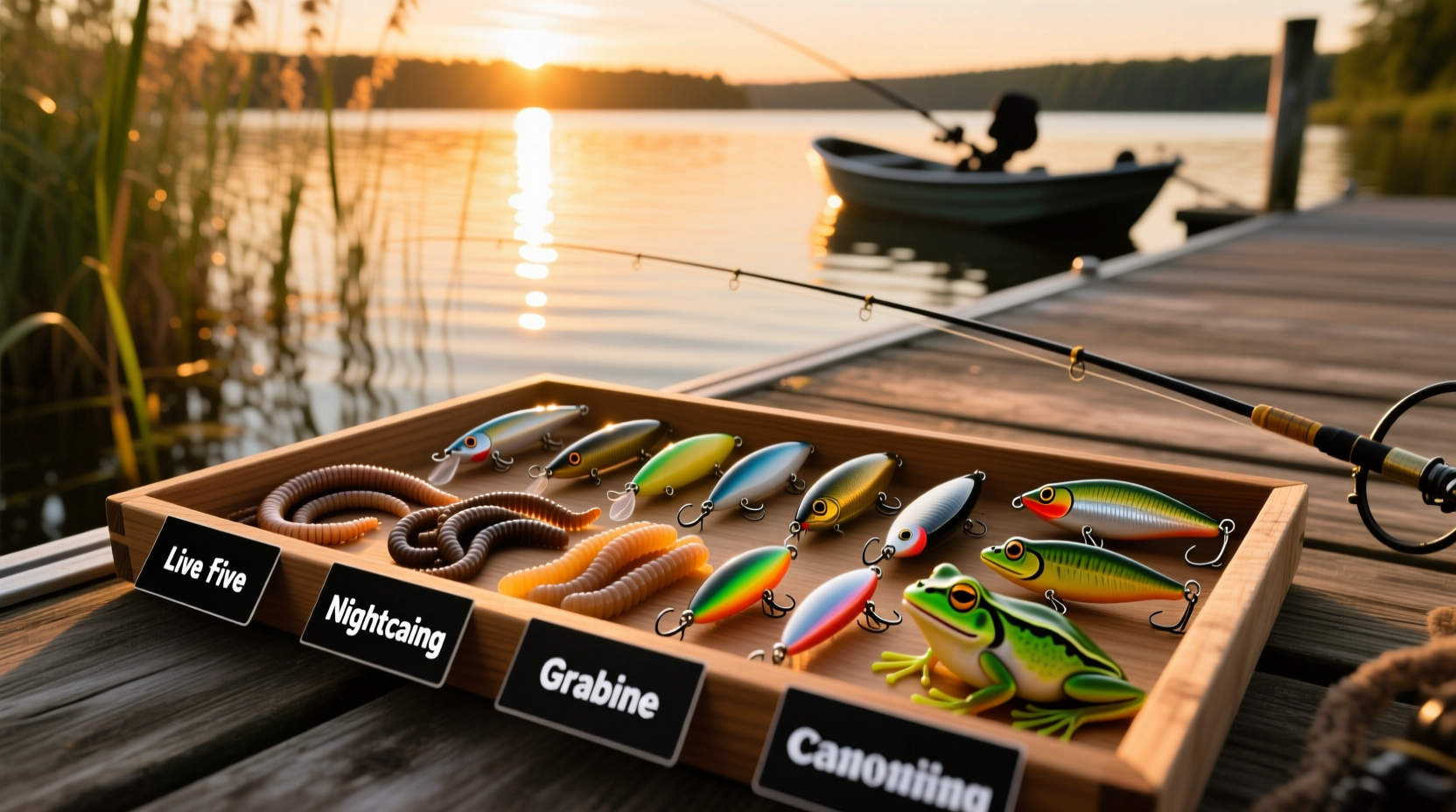
Natural baits remain among the most effective options for lake fishing because they mimic the actual diet of fish. Their scent, movement, and appearance trigger instinctive feeding responses, especially in cautious or pressured fish populations.
Common natural baits include:
- Worms – Nightcrawlers and red wigglers are staples for panfish, bass, and catfish. Their wriggling motion and earthy scent attract fish across a range of depths.
- Minnows – Ideal for predatory species like pike, walleye, and largemouth bass. Live minnows can be fished under a bobber or rigged weedless to prevent snags.
- Crickets and Grasshoppers – Excellent surface baits during summer months when fish feed near shorelines and overhangs.
- Leeches – Particularly effective for walleye in spring and early summer. Their slow, undulating swim pattern is irresistible at deeper drop-offs.
- Cut Bait – Pieces of shad, herring, or sucker work well for catfish and larger predators. The scent trail draws fish from a distance.
Artificial Lures That Deliver Results
While natural baits excel in many situations, artificial lures offer versatility, reusability, and precision targeting. Modern lure designs replicate the look, sound, and action of real prey with remarkable accuracy.
Top-performing artificial lures for lake fishing include:
- Soft Plastics (Creature & Stick Baits) – Rigged Texas-style or wacky-rigged, these imitate leeches, worms, or small baitfish. Perfect for weedy areas where bass hide.
- Crankbaits – Diving models reach specific depths, making them ideal for scanning submerged structures. Choose shad-patterned lures in clear water; go bold with bright colors in murky conditions.
- Spinnerbaits – Effective year-round, especially in low visibility or heavy cover. The flash and vibration attract aggressive strikes.
- Jigs – A jig paired with a trailer (like a craw or paddle tail) excels in rocky zones and deep flats. Slowly hopping it along the bottom triggers reaction bites.
- Topwater Lures (Poppers, Frogs, Walk-the-Dog Styles) – Unbeatable at dawn and dusk when bass hunt near the surface. Hollow-body frogs glide over lily pads and matted vegetation.
“Lakes demand adaptability. If you’re only using one type of bait, you’re leaving fish behind.” — Dale Peterson, Professional Freshwater Guide
Seasonal Bait Strategies for Lake Success
Fish metabolism and location shift dramatically with the seasons. Matching your bait choice to these changes increases effectiveness.
| Season | Fish Behavior | Recommended Baits |
|---|---|---|
| Spring | Fish move shallow to spawn. Water is cooling, feeding is aggressive. | Plastic worms, jigs, topwater frogs, live minnows |
| Summer | Fish retreat to deeper, cooler water. Structure-oriented. | Deep-diving crankbaits, drop-shot rigs, live leeches |
| Fall | Fish feed heavily before winter. Often chase schools of baitfish. | Swimbaits, spoons, inline spinners, shad-imitating lures |
| Winter | Metabolism slows. Fish are lethargic and deep. | Small jigs, ice-fishing spoons, live waxworms or spikes |
Real Example: Turning Around a Tough Day on Lake Okeechobee
A seasoned angler spent two unproductive mornings casting spinnerbaits and buzzbaits over open water at Lake Okeechobee. Despite seeing birds diving and surface activity, he wasn’t getting bites. On the third day, he switched tactics: he observed that small bluegill were schooling near dense hydrilla beds. He downsized to a 3-inch green pumpkin soft plastic stick bait on a 1/16-ounce head and began flipping it gently into the edges of the grass.
Within minutes, he hooked his first largemouth bass. Over the next three hours, he landed seven fish over 3 pounds. The change wasn’t about effort—it was about matching the bait to what the bass were actually feeding on. This subtle shift, informed by observation and flexibility, turned a frustrating trip into a trophy day.
Checklist: Choosing the Best Bait for Your Next Lake Trip
Before you launch, run through this practical checklist to optimize your bait selection:
- ✅ Identify target species (bass, trout, panfish, pike, etc.)
- ✅ Check recent weather and water temperature trends
- ✅ Observe surface activity—birds, jumping fish, insect hatches
- ✅ Scout underwater structure—use a depth finder if possible
- ✅ Pack both natural and artificial options for adaptability
- ✅ Match bait size to local forage—don’t use a 7-inch worm if minnows are 2 inches long
- ✅ Adjust color based on water clarity: natural tones in clear water, high-contrast hues in stained water
Common Mistakes and How to Avoid Them
Even experienced anglers fall into traps that reduce their success rate. Recognizing these pitfalls improves consistency:
- Using the wrong bait size – Oversized bait can intimidate fish, especially in clear water. Scale down when bites are light.
- Ignoring water clarity – In muddy water, rely on vibration and scent. In crystal-clear lakes, stealth and realism matter most.
- Sticking to one spot too long – If you haven’t had a bite in 20 minutes, move. Fish are distributed unevenly.
- Overlooking scent enhancement – Even artificial lures benefit from attractant gels, which extend appeal and mask human odor.
FAQ
What is the best all-around bait for beginners fishing in lakes?
A live nightcrawler on a simple hook with a split shot sinker is hard to beat. It works for bluegill, bass, and catfish, requires minimal gear, and teaches basic presentation skills.
Are artificial lures better than live bait?
Not inherently. Artificial lures offer control and durability; live bait has superior natural appeal. The best approach combines both, adapting to conditions and fish behavior.
How do I know which lure color to choose?
In clear water, use natural patterns like green pumpkin, watermelon seed, or silver. In murky or low-light conditions, go for chartreuse, black, or bright orange to increase visibility.
Final Thoughts and Action Plan
The best bait for fishing in lakes isn’t a single product—it’s a mindset. It’s about reading the water, understanding fish ecology, and responding with intelligent choices. Whether you’re using a dew-covered worm at sunrise or a rattling crankbait off a rocky ledge, your success grows from preparation and observation.
Start your next outing with a clear plan: research the lake’s common species, pack a balanced tackle box, and stay ready to adapt. Test different depths, speeds, and presentations. Keep notes on what works—over time, you’ll build a personal database of proven tactics.
💬 What’s your go-to bait when nothing else is working? Share your favorite lake fishing trick in the comments and help fellow anglers improve their catch rate!








