Finding the perfect pair of shoes can feel like a triumph—until you wear them for more than an hour and realize they’re pinching, rubbing, or cutting off circulation. Many women face this dilemma: stylish footwear that looks flawless but fits poorly. While buying the right size is ideal, not all brands run true to size, and materials like leather or synthetic uppers often need time to conform to your feet. The good news? You don’t have to sacrifice style for comfort. With proven stretching techniques, you can modify tight-fitting women’s shoes safely and effectively, transforming painful footwear into all-day companions.
Why Shoes Feel Tight—and Why It Matters
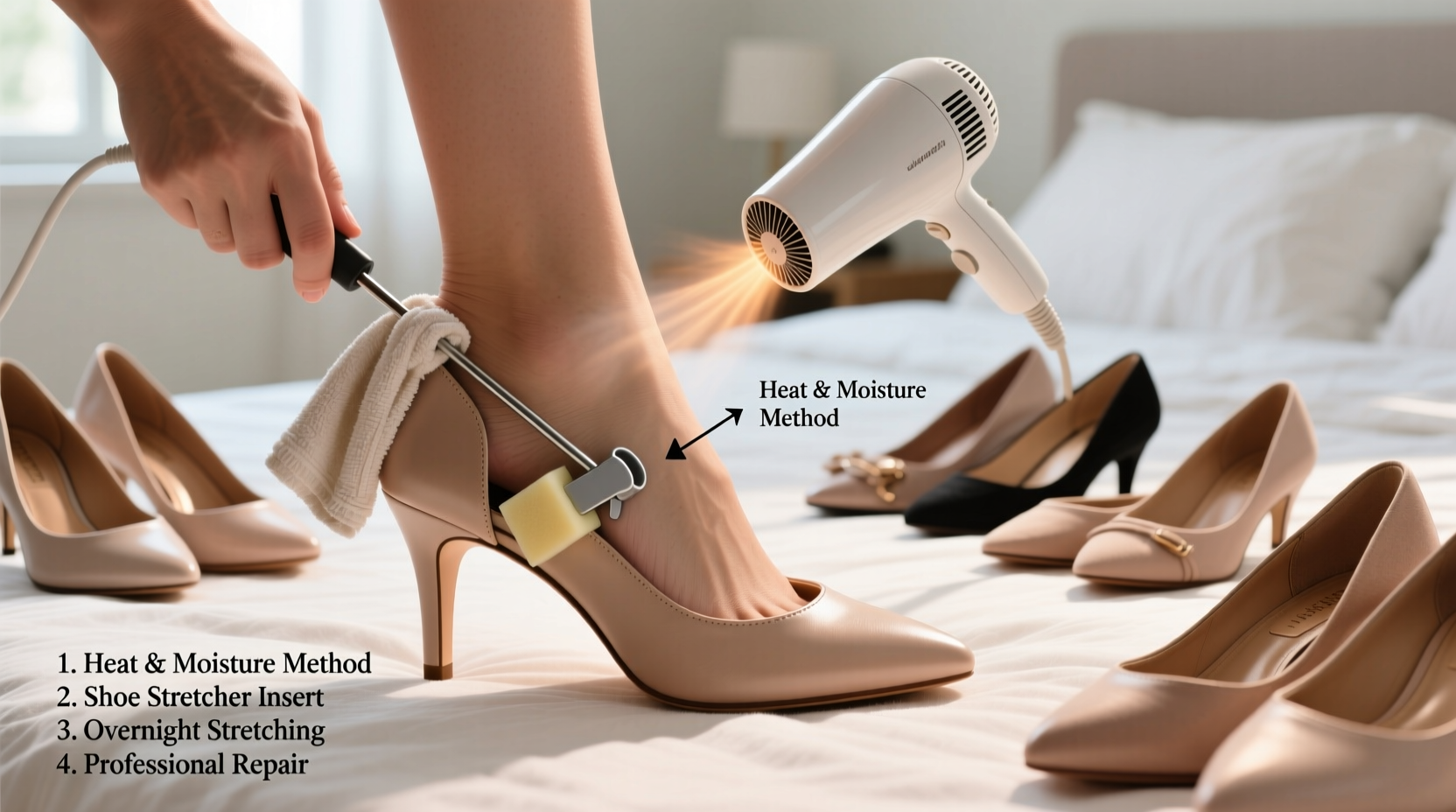
Tightness in shoes isn't always due to incorrect sizing. Foot shape varies significantly between individuals, and many manufacturers design shoes based on average foot proportions, which may not match yours. Additionally, materials behave differently over time. Leather molds with use, while synthetics offer less give. High heels shift weight forward, increasing pressure on the forefoot, and narrow toe boxes compress toes unnaturally.
Wearing consistently tight shoes leads to more than discomfort. It can cause bunions, hammertoes, corns, and long-term structural issues. According to Dr. Lena Torres, a podiatrist with over 15 years of clinical experience:
“Chronic constriction from ill-fitting shoes alters natural gait patterns and increases stress on joints. A properly stretched shoe isn’t just about comfort—it’s preventive foot health.” — Dr. Lena Torres, DPM
Addressing fit proactively extends shoe life and protects your feet. Below are reliable, non-damaging methods to achieve a better fit at home or with professional help.
Safe DIY Methods to Stretch Women’s Shoes
Many effective stretching techniques use household items and require minimal effort. The key is patience and consistency—rushing the process risks warping the shoe structure or cracking the material.
1. Use a Cold Water Freeze Method
This clever technique uses water expansion to gently stretch shoe material. It works best on leather, canvas, and soft synthetics.
- Fill two sealable plastic bags with water.
- Place one bag inside each shoe, ensuring it reaches the tightest area (usually the toe box).
- Seal the bags tightly and place the shoes in the freezer.
- Leave them overnight. As the water freezes, it expands, applying outward pressure.
- Remove and let thaw completely before testing the fit.
2. Apply Heat with a Hairdryer
Heat makes materials more pliable. Combine warmth with manual stretching for immediate relief in pinch points.
- Put on thick socks.
- Wear the shoes and use a hairdryer on medium heat to warm tight areas for 30–60 seconds.
- Walk around for 5–10 minutes while the shoe cools slightly.
Repeat this process over 2–3 days for lasting results. Avoid high heat on patent leather or glued soles, as it may cause peeling or delamination.
3. Use a Shoe Stretcher
Wooden or plastic shoe stretchers mimic foot shape and apply steady pressure. Adjustable models allow targeted expansion—especially useful for wide forefeet or high arches.
- Insert the stretcher into the shoe.
- Turn the knob slowly to expand width or length.
- Leave in place for 6–8 hours or overnight.
For added effect, apply a commercial stretching spray to the inner surface before inserting the stretcher.
Professional and Long-Term Solutions
While DIY methods work for minor adjustments, some situations call for expert intervention—especially with expensive or delicate footwear.
Visit a Cobbler
A skilled cobbler has industrial-grade tools and expertise to stretch shoes evenly. They can:
- Use pneumatic stretching machines for precise control.
- Add half-sizes in length or width.
- Modify heel height or insert cushioned padding.
Cost varies by region but typically ranges from $20 to $50 per pair. For investment pieces like designer pumps or boots, professional stretching is cost-effective compared to replacement.
Stretching Sprays and Conditioners
These products soften fibers temporarily, enhancing the effectiveness of mechanical stretching. Look for sprays containing alcohol and glycerin, which penetrate leather without drying it out.
“Conditioning while stretching preserves material integrity. I recommend using a leather conditioner after any stretching routine.” — Marcus Reed, Master Cobbler, Boston Shoe Hospital
Do’s and Don’ts of Shoe Stretching
| Do | Don’t |
|---|---|
| Test stretching methods on one shoe first | Apply excessive heat to synthetic materials |
| Use stretching sprays formulated for your shoe material | Wear un-stretched tight shoes for extended periods |
| Stretch gradually over several days | Soak leather shoes in water (causes warping) |
| Store shoes with stretchers when not in use | Use sharp objects to pry open tight areas |
| Combine methods (e.g., heat + manual wear) | Expect drastic size changes (most methods yield half-size gain) |
Real-Life Example: From Painful Pumps to All-Day Wear
Sophia, a marketing executive in Chicago, bought a pair of black pointed-toe heels for client presentations. Though stunning, they caused blisters within 20 minutes of wear. She tried gel pads and thinner socks, but the lateral squeeze remained.
She applied the freezer method twice over a weekend, then used a dual-axis shoe stretcher with stretching spray. After three days of gradual adjustment, she tested them with her usual work attire. Not only did the shoes accommodate her slightly wide forefoot, but the arch support felt more natural. Six months later, they remain her go-to pair for long days—proof that thoughtful stretching pays off.
Step-by-Step Weekly Stretching Plan
For optimal results without damage, follow this timeline:
- Day 1: Clean the interior. Insert adjustable shoe stretchers at minimum expansion. Leave overnight.
- Day 2: Remove stretchers. Apply stretching spray inside, focusing on pressure zones. Reinsert stretchers, increase expansion slightly.
- Day 3: Perform the hairdryer-and-socks method. Wear for 10 minutes, then rest.
- Day 4: Repeat freezer method if material allows.
- Day 5: Test wear with typical insoles or orthotics. Assess fit and comfort.
- Day 6–7: Light daily wear (1–2 hours) to condition the shoe to your foot’s movement.
FAQ: Common Questions About Stretching Shoes
Can you stretch shoes more than a half-size?
Generally, no. Most materials can only expand about half a size safely. Attempting more risks distortion, sole separation, or broken stitching. If you're more than half a size too small, consider exchanging them.
Do stretching sprays work on synthetic shoes?
Limitedly. Sprays designed for synthetics exist, but results vary. These materials lack natural fiber elasticity, so mechanical methods like stretchers or freezing are more effective—but still modest in outcome.
How long does stretched comfort last?
If done correctly, the new fit is permanent. Materials like leather retain their expanded shape unless stored improperly (e.g., crushed in a pile). Maintain form with shoe trees or stuffers when not in use.
Final Thoughts: Comfort Shouldn’t Be Compromised
Stylish shoes don’t have to mean sore feet. With careful application of heat, moisture, mechanical pressure, and time, most tight-fitting women’s shoes can be adapted for real-world comfort. Whether you’re preparing for a wedding, upgrading your work wardrobe, or rescuing a favorite pair from the back of the closet, these methods empower you to take control of fit and function.
Start with gentle techniques, prioritize foot health, and don’t hesitate to consult a professional for valuable or complex footwear. Your feet carry you through every part of your day—they deserve shoes that support, not sabotage, your stride.
🚀 Take action today: Pick one pair of tight shoes and begin a 7-day stretching plan. Share your progress or tips in the comments below—your experience could help another woman walk easier tomorrow.








