Flip flops are a staple in warm-weather footwear, offering convenience, breathability, and ease of wear. But even the most stylish pair can become unbearable if they’re too tight—pinching toes, rubbing heels, or creating pressure points with every step. Rather than discarding a favorite pair or enduring discomfort, there are practical, non-destructive ways to gently stretch them out. With the right techniques, you can reshape the footbed, widen the straps, and soften stiff materials for a custom-like fit that feels broken in from day one.
Understanding Why Flip Flops Feel Too Tight
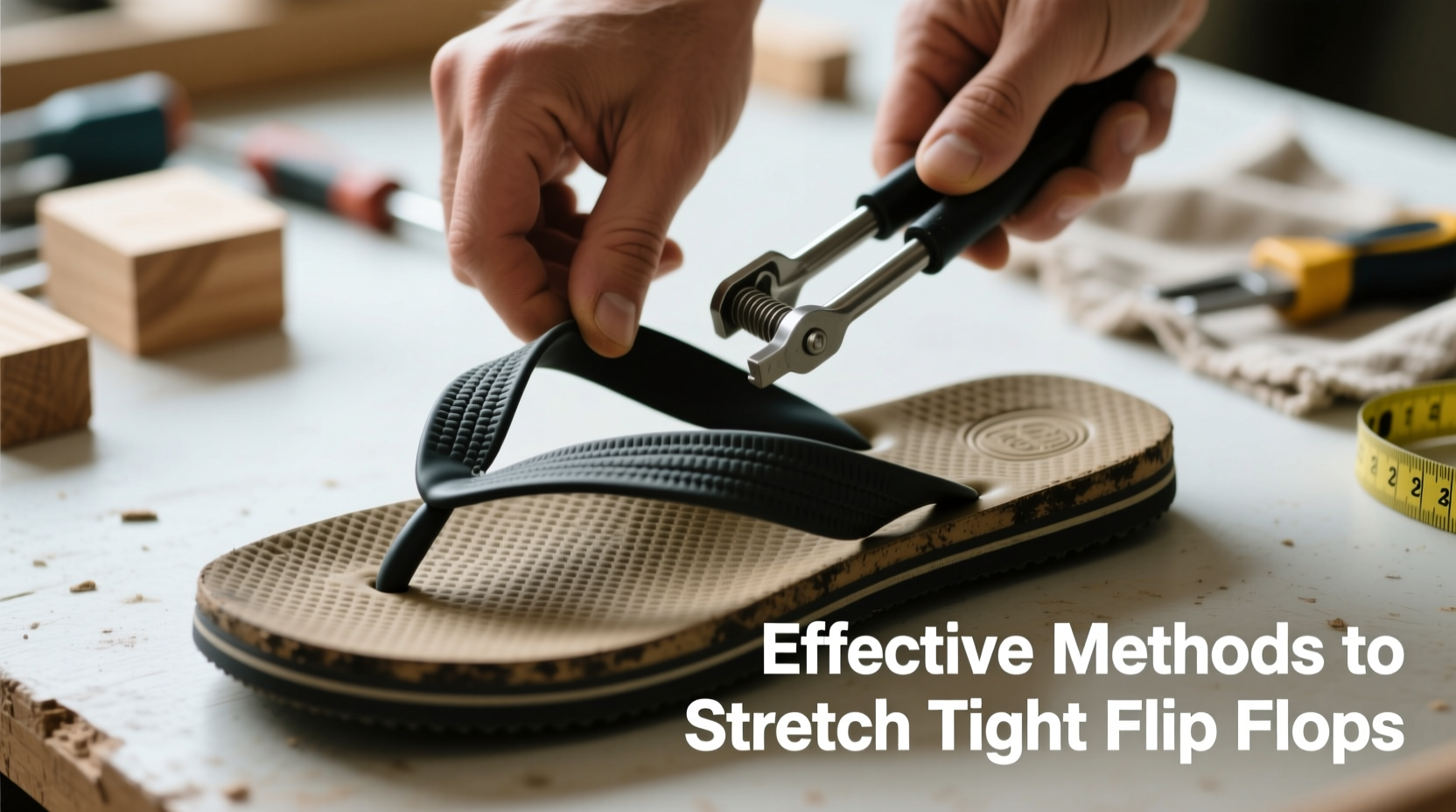
Tightness in new flip flops often stems from rigid materials, narrow footbeds, or improperly sized straps. Many foam-based models, especially those made from EVA (ethylene-vinyl acetate), start off firm and compress only after repeated use. Leather or synthetic straps may also lack initial flexibility, digging into the skin between the toes or across the instep. Additionally, some designs prioritize aesthetics over ergonomics, resulting in arches that are too high or toe posts that are too narrow.
The good news is that most of these issues can be addressed without permanent damage. By applying controlled stress, moisture, or heat, you can encourage the materials to expand and conform to your foot’s natural shape.
“Footwear should adapt to the foot, not the other way around. Gentle stretching techniques allow sandals to mold to individual contours, improving comfort and reducing injury risk.” — Dr. Lena Reyes, Podiatrist & Footwear Consultant
Step-by-Step Guide: How to Stretch Flip Flops at Home
Stretching flip flops doesn’t require special tools or expensive equipment. Most methods use common household items and take just a few hours to days, depending on material and severity of tightness. Follow this structured approach for best results:
- Assess the Problem Area: Determine whether the tightness comes from the footbed, the toe post, or the ankle strap. This helps you choose the most effective method.
- Clean the Sandals: Wipe down the surface with a damp cloth to remove dust or residue that might interfere with moisture absorption.
- Select a Stretching Method: Choose based on material type—foam, leather, rubber, or synthetic fabric.
- Apply the Technique: Use gradual pressure or moisture exposure over 6–48 hours.
- Test Fit Regularly: Try them on periodically to avoid over-stretching.
- Condition (if applicable): For leather or fabric straps, apply a conditioner after stretching to restore suppleness.
Effective Stretching Methods by Material Type
Different materials respond to different stimuli. Applying the wrong method—like using heat on delicate synthetics—can ruin your sandals. Below is a breakdown of proven techniques tailored to common flip flop materials.
| Material | Recommended Method | Time Required | Risk Level |
|---|---|---|---|
| Foam (EVA) | Freezer water expansion or wear with thick socks | 12–48 hours | Low |
| Leather Straps | Conditioner + manual bending or shoe stretcher | 6–24 hours | Medium |
| Synthetic Rubber | Warm water soak + wear immediately | 30 min – 2 hours | Low |
| Fabric Straps | Moisture + tension with clips or weights | 6–12 hours | Medium |
| Plastic Toe Post | Heat gun (low setting) + manual widening | 15–30 minutes | High (use caution) |
Method 1: The Freezer Water Expansion Trick (Best for Foam Soles)
Fill two sandwich-sized ziplock bags with water, place one inside each flip flop, and seal tightly. Put the sandals upright in the freezer. As the water freezes, it expands, gently pushing outward on the footbed and toe area. Leave for at least 8 hours. Remove, let thaw slightly, then check fit. Repeat if needed.
Method 2: Wear with Thick Socks (Ideal for Gradual Adjustment)
Put on a pair of thick athletic socks and wear the flip flops indoors for short intervals (20–30 minutes). Walk around to apply body heat and pressure. The friction and warmth help loosen fibers and mold the sole to your foot’s shape. Do this over 2–3 days for noticeable improvement.
Method 3: Warm Water Soak (For Flexible Materials)
Submerge the flip flops in warm (not boiling) water for 5–10 minutes. Immediately put them on while damp and walk around until dry. The softened material conforms more easily to your foot. Works well for rubber and soft synthetics but avoid with glued components.
Tip: After a warm soak, place crumpled newspaper in the toe area to maintain slight expansion as they dry.Real Example: Fixing a Problematic Pair of Popular Brand Flip Flops
A customer purchased a widely advertised brand of sport flip flops known for arch support. While supportive, the toe post was unusually thick and caused chafing within minutes. Instead of returning them, she applied the warm water method: soaking the sandals for seven minutes, then wearing them with thin cotton socks for 45 minutes. She repeated this twice over two days. By the third wear, the post had softened and widened slightly, eliminating irritation. Six months later, she still uses the same pair without discomfort.
This case illustrates how minor adjustments can transform an ill-fitting sandal into a reliable daily shoe—without spending extra money or compromising performance.
Do’s and Don’ts When Stretching Flip Flops
- Do test the fit frequently during stretching.
- Do use protective barriers (like cloth) when applying heat.
- Do stretch gradually—overnight methods are safer than forced attempts.
- Don’t use boiling water on foam or glued parts.
- Don’t leave sandals in direct sunlight for long periods—UV rays degrade materials.
- Don’t attempt to stretch plastic components without heat; they may snap.
Checklist: How to Safely Stretch Your Flip Flops
Follow this checklist to ensure you stretch your sandals effectively and safely:
- ✅ Identify the source of tightness (footbed, strap, toe post)
- ✅ Clean the sandals before treatment
- ✅ Choose a method appropriate for the material
- ✅ Apply the technique carefully and consistently
- ✅ Monitor progress by trying them on regularly
- ✅ Condition leather or fabric straps after stretching
- ✅ Store properly once adjusted to maintain shape
FAQ
Can I stretch flip flops with a hairdryer?
Yes, but with caution. Use a low heat setting and move the dryer constantly to avoid melting or warping. Focus on the tight areas (like the toe post), then gently bend or widen while warm. Immediately wear the sandals until cooled to lock in the new shape.
How long does it take to stretch flip flops?
It depends on the method and material. Warm water or hairdryer techniques show results in under an hour. Freezer expansion or sock-wearing methods may take 1–3 days. Patience yields better, longer-lasting results.
Will stretching ruin the durability of my flip flops?
Not if done correctly. Gentle, incremental stretching preserves integrity. Avoid aggressive pulling or extreme temperatures, which can weaken adhesives or crack materials. When in doubt, opt for slower, safer methods.
Conclusion
Discomfort shouldn’t end the life of a functional pair of flip flops. With careful application of moisture, cold, heat, or manual pressure, most sandals can be reshaped for a more personalized fit. The key is understanding your sandal’s construction and choosing a compatible method. Whether you're dealing with a stiff foam bed or a narrow strap, these techniques offer a sustainable alternative to replacement—saving money, reducing waste, and enhancing everyday comfort.
💬 Have a tight pair of flip flops gathering dust? Pick one method from this guide and give it a try today. Share your results or tips in the comments below—your experience could help others find relief too!








