
Bike grease is essential for smooth chain operation, but when it splatters onto clothing, it becomes one of the most persistent stains to eliminate. Unlike water-based soils, grease repels water and binds tightly to fabric fibers, making standard washing ineffective. Left untreated, these stains can set permanently during drying, especially in high-heat cycles. The good news is that with the right approach—using everyday household products—you can lift even the most entrenched grease marks without damaging your garments. This guide walks through scientifically sound, field-tested strategies that prioritize fabric safety and cleaning efficiency.
Understanding Grease Stains and Fabric Types
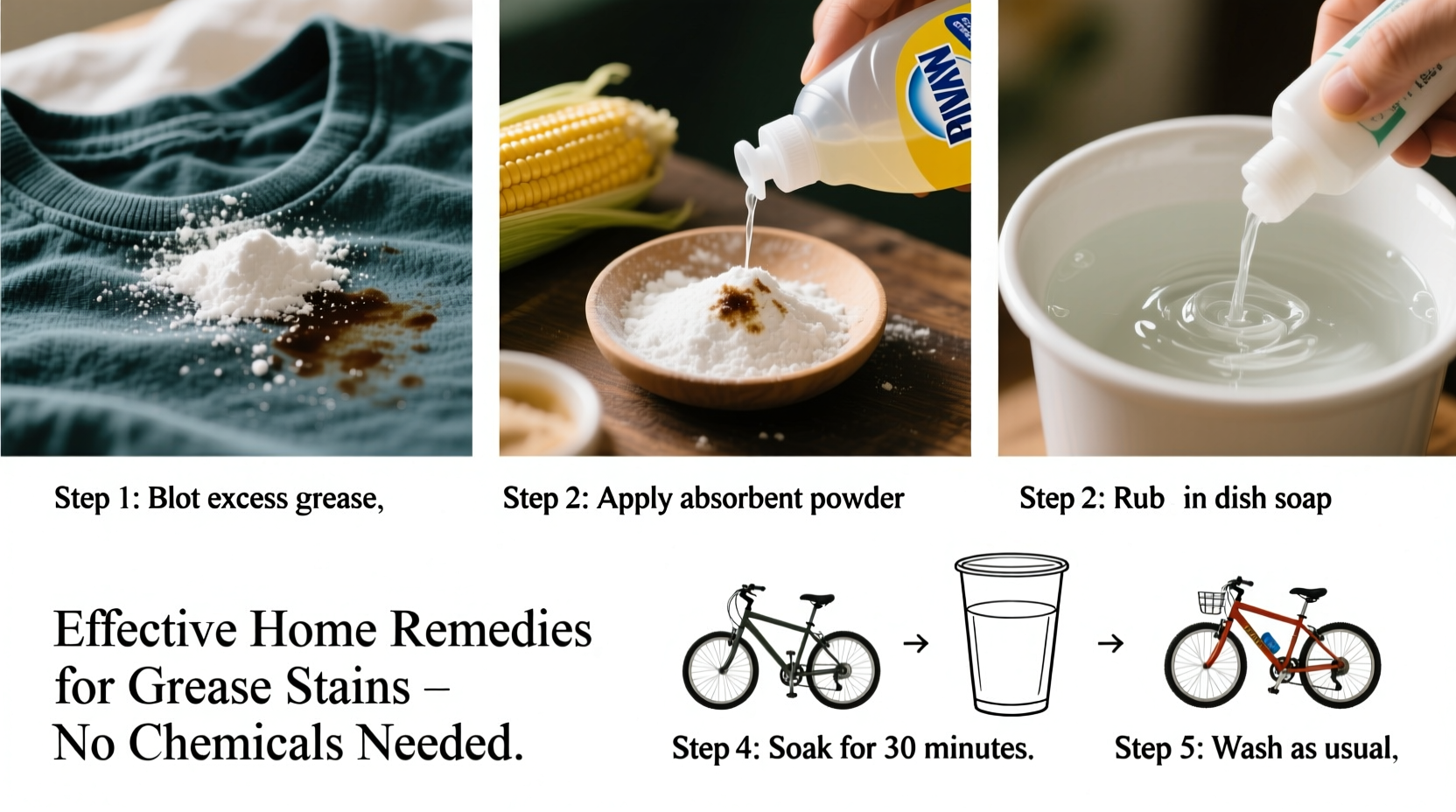
Grease from bicycle chains is typically a thick, petroleum-based lubricant designed to resist water and friction. When it contacts fabric, it penetrates deep into the fibers, creating an oily film that traps dirt and resists soap. The key to removal lies in breaking down this oil before it oxidizes or sets under heat.
Fabric composition plays a crucial role in stain treatment. Natural fibers like cotton and linen absorb grease readily but respond well to degreasing agents. Synthetic blends (polyester, nylon) may resist initial absorption but can retain oily residues on the surface. Delicate fabrics such as silk or wool require gentler treatments to avoid damage.
“Grease doesn’t just sit on top—it migrates. Immediate pre-treatment significantly increases the odds of complete removal.” — Dr. Lena Torres, Textile Chemist, CleanLab Research GroupTip: Always check the garment’s care label before applying any solvent. Avoid using bleach or ammonia on protein-based fabrics like wool or silk.
Step-by-Step Guide to Removing Bike Grease Stains
Success depends on acting quickly and following a logical sequence. Here’s a reliable 7-step process:
- Blot Excess Grease: Use a clean paper towel or cloth to gently blot the stain. Do not rub, as this spreads the oil deeper into fibers.
- Apply Absorbent Powder: Cover the stain with cornstarch, baking soda, or talcum powder. Let sit for 15–30 minutes to draw out surface oil. Brush off residue carefully.
- Pretreat with Dish Soap: Apply a few drops of liquid dish detergent (like Dawn) directly to the stain. Gently work it in with fingers or a soft brush. Allow to sit for 10 minutes.
- Rinse with Hot Water: Flush the area under hot tap water (check fabric tolerance first). Hot water helps dissolve grease more effectively than cold.
- Apply Solvent (if needed): For set-in stains, use rubbing alcohol, WD-40, or acetone (on colorfast fabrics only). Dab sparingly with a cotton ball.
- Wash Normally: Launder in the warmest water safe for the fabric, using regular detergent. Add ½ cup white vinegar to the rinse cycle to help cut residual oil.
- Air-Dry and Inspect: Hang to dry. Do not use a dryer until the stain is gone—heat sets remaining grease. Repeat if necessary.
Household Remedies Compared
Different solvents work better depending on stain age and fabric type. Below is a comparison of commonly available options:
| Product | Best For | Limitations | Safety Notes |
|---|---|---|---|
| Liquid Dish Soap | Fresh stains, all washable fabrics | Less effective on dried-in grease | Safe for most materials; non-toxic |
| Cornstarch/Baking Soda | Initial oil absorption | Only surface-level; must be followed by washing | Non-abrasive; ideal for delicates |
| Rubbing Alcohol (Isopropyl) | Set-in stains, cotton, polyester | May discolor some dyes | Test on hidden seam first; ventilate area |
| WD-40 | Heavy-duty, aged grease | Strong odor; oily residue | Use outdoors; wash thoroughly after |
| White Vinegar | Rinse booster, odor neutralizer | Not a standalone cleaner | Mix with water; avoid on silk |
Real Example: Removing Grease from Work Jeans
Mark, a bike courier in Portland, regularly dealt with chain grease on his denim workwear. After a long shift, he noticed a dark smear across the thigh of his favorite jeans. Instead of tossing them, he applied the method above. First, he blotted with a napkin, then sprinkled baking soda over the spot and left it overnight. The next morning, he scrubbed lightly with Dawn dish soap, rinsed under hot water, and washed the jeans in warm water with added vinegar. After air-drying, the stain was completely gone. He repeated the pretreatment once more for preventative measure and now uses leg covers during rides.
Tip: Keep a stain removal kit in your garage or mudroom: dish soap, old toothbrush, baking soda, and paper towels for immediate response.Checklist: Quick Reference for Grease Stain Removal
- ☐ Blot excess grease with paper towel
- ☐ Sprinkle absorbent powder (cornstarch, baking soda)
- ☐ Wait 15–30 minutes, then brush off
- ☐ Apply liquid dish soap directly to stain
- ☐ Gently agitate with fingers or soft brush
- ☐ Rinse under hot water (if fabric allows)
- ☐ For tough stains, dab with rubbing alcohol or WD-40
- ☐ Wash in warm water with detergent + vinegar
- ☐ Air-dry and inspect before rewashing or machine drying
Frequently Asked Questions
Can I use hand sanitizer to remove bike grease?
Yes, in a pinch. Most hand sanitizers contain alcohol, which breaks down oil. Apply a small amount, let sit for 5–10 minutes, then wash as usual. However, it may leave a sticky residue, so thorough rinsing is essential.
What if the stain remains after washing?
Do not dry the garment. Reapply dish soap or rubbing alcohol and repeat the process. Sometimes multiple treatments are needed for deeply embedded grease. Avoid heat until the stain is fully gone.
Is WD-40 safe for clothes?
It’s effective but requires caution. WD-40 contains solvents that can degrade certain synthetic fibers and leave an oily film. Always follow up with a full wash cycle using detergent and vinegar to remove residue. Use only in well-ventilated areas.
Final Tips for Long-Term Success
Prevention is often easier than cure. Consider wearing protective gear like mechanic’s gloves or leg wraps while maintaining your bike. If you frequently handle greasy parts, designate an old shirt or coverall for maintenance tasks. For outdoor cyclists, installing chain guards or using drip trays during repairs can dramatically reduce accidental soiling.
When treating stains, patience pays off. Rushing the process or skipping steps like air-drying inspection can lead to permanent marks. Remember that modern detergents are powerful, but they work best when paired with proper pre-treatment. Store cleaning supplies where you’re likely to need them—near the laundry room, garage, or bike storage area—for quick access.
“The difference between a salvageable garment and a lost cause is usually just 30 minutes of timely action.” — Janice Reed, Professional Laundry Technician, MetroClean Services
Take Action Today
Don’t let another greasy ride ruin your favorite clothes. With simple tools and consistent technique, you can preserve your wardrobe and extend the life of every garment. Try one of the methods outlined here the next time a stain appears—and consider sharing your results. Your experience might help another cyclist keep their gear clean and functional for miles to come.
💬 Have a go-to method for removing bike grease? Share your tips in the comments and help build a community of smarter, cleaner riders!








