Finding the ideal fit in sports shoes can be elusive. Even premium models may feel tight across the toes, constrict around the heel, or pinch on the sides after just a few minutes of activity. Rather than discarding otherwise excellent footwear, many athletes and casual wearers alike turn to stretching techniques that reshape the shoe to match their foot’s contours. Done correctly, these methods preserve structural integrity while enhancing comfort and performance. This guide explores proven, non-destructive ways to stretch sports shoes safely and effectively.
Why Proper Fit Matters in Sports Shoes
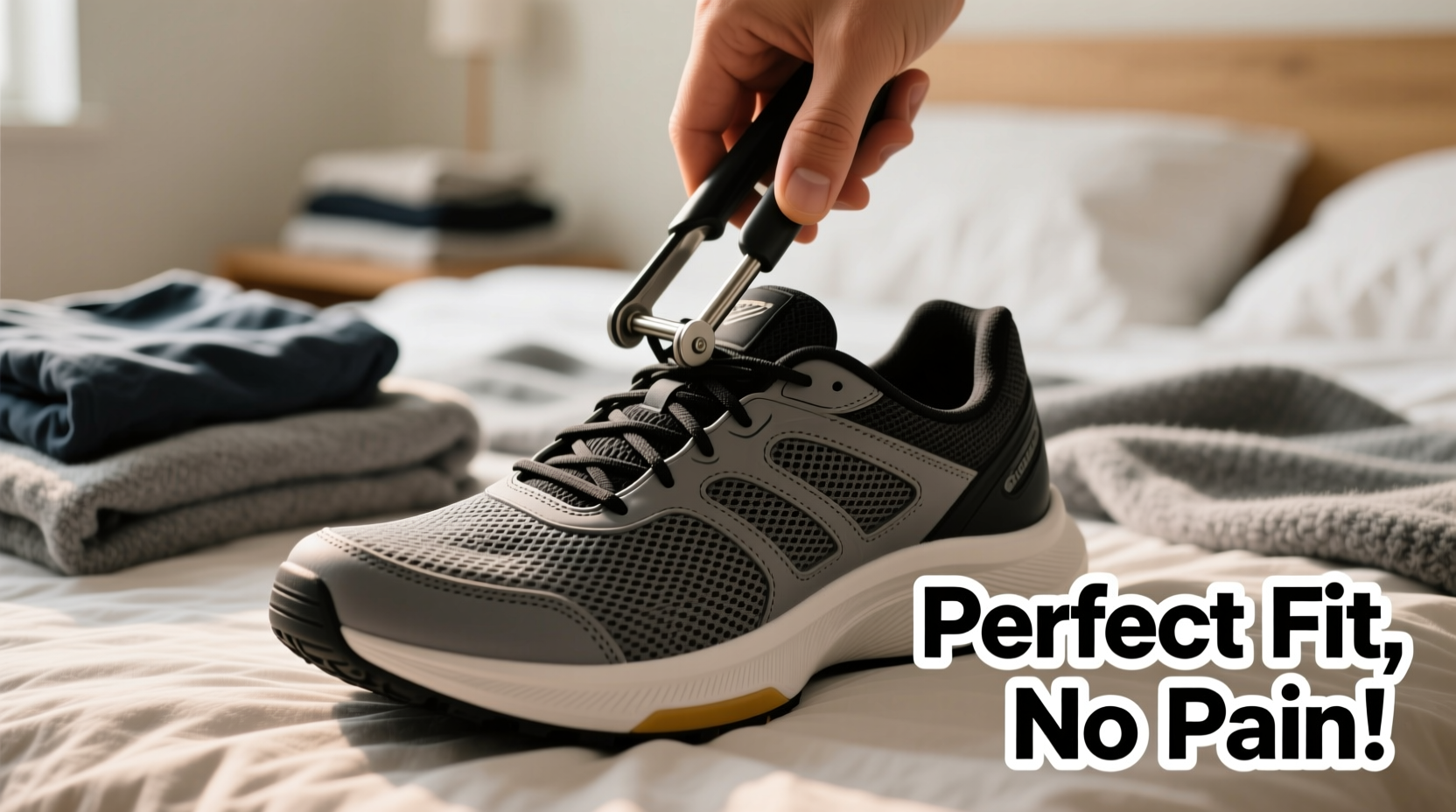
A snug fit is essential during physical activity, but excessive tightness leads to blisters, numbness, restricted circulation, and long-term foot issues like neuromas or tendonitis. Conversely, overly loose shoes reduce stability and increase the risk of ankle rolls or inefficient gait mechanics. The goal isn’t maximum looseness—it’s balanced, adaptive comfort where the shoe moves with the foot, not against it.
Sports shoes are engineered with materials designed to flex and conform over time. Modern uppers use knit fabrics, synthetic overlays, and treated leathers—all of which respond differently to stress and moisture. Understanding how your shoe is constructed determines which stretching method will work best without compromising durability or cushioning systems.
Tip: Always stretch one size at a time. Aggressive attempts to widen or lengthen too quickly can break down adhesives or warp midsoles.Safe Stretching Methods You Can Try at Home
Professional stretching services exist, but most people can achieve excellent results using household items and patience. Below are five reliable techniques backed by podiatrists and footwear specialists.
1. The Frozen Water Bag Method (For Length & Width)
This low-cost approach uses water expansion to gently push out tight areas. Fill two resealable plastic bags halfway with water, place them inside each shoe (targeting narrow zones), then seal and freeze overnight. As the water freezes, it expands, applying consistent outward pressure.
- Best for: Synthetic mesh, canvas, and soft leather shoes
- Duration: 8–12 hours per cycle
- Repeat: 2–3 times for moderate adjustment
2. Heat + Wear Technique (Dynamic Stretching)
Apply controlled heat to make the upper pliable, then wear the shoes while they cool into shape. Use a hairdryer on medium heat to warm tight sections (especially around the toe box) for 2–3 minutes. Immediately put on thick socks and wear the shoes for 20–30 minutes while walking indoors.
“Body heat combined with movement allows the shoe to mold precisely to pressure points.” — Dr. Lena Torres, Podiatrist and Sports Medicine Consultant
3. Shoe Stretch Sprays (Targeted Material Relaxation)
Commercial sprays contain alcohol-based solutions that soften fibers temporarily. Spray lightly on interior problem areas, then wear the shoes with padded socks until dry. These products work fastest on natural leathers and some synthetics but should never be used on waterproof membranes like Gore-Tex.
| Method | Effectiveness | Time Required | Risk Level |
|---|---|---|---|
| Frozen Water Bags | High (width/length) | Overnight x2–3 | Low |
| Heat + Wear | Moderate (localized) | 30 min/session | Medium* |
| Stretch Sprays | Variable | 1–2 hours | Medium |
| Shoe Stretcher (Manual) | High (precision) | 24+ hours | Low |
| Professional Machine | Very High | 1–2 hrs service | Very Low |
*Only if excessive heat damages glue bonds
4. Adjustable Shoe Stretchers (Precision Control)
Investing in a dual-axis wooden or plastic stretcher gives targeted control. Insert the device into the shoe and gradually expand width and length via screws. For extra effect, apply a small amount of stretching spray and leave for 24–48 hours. Ideal for runners who need slight adjustments in ball-of-foot width or heel girth.
5. Overnight Damp Sock Method (Gentle Fiber Relaxation)
Soak a pair of thick cotton socks in warm water, wring them out slightly, then wear them inside the shoes as you rest. As the socks dry, they contract and pull the shoe material outward. Leave on for 6–8 hours or overnight. Works well for knit uppers like those found in Nike Flyknit or Adidas Primeknit models.
Step-by-Step Guide: How to Stretch Your Sports Shoes Safely
- Identify Problem Areas: Mark tight spots with tape—common zones include the medial side of the big toe, heel collar, and forefoot.
- Clean the Interior: Wipe down the inside with a dry cloth to prevent trapped moisture from fostering odor or mildew.
- Choose Your Method: Match the technique to your shoe material and desired outcome (e.g., frozen bags for overall expansion).
- Apply Gradual Pressure: Never force expansion beyond what feels like mild resistance.
- Test Fit Daily: After each session, try the shoes on with regular athletic socks during short walks.
- Allow Recovery Time: Let shoes rest for at least 6 hours between stretching cycles to stabilize new shape.
- Evaluate Results: Stop once comfort improves without creasing or collapsing sidewalls.
What Not to Do: Common Stretching Mistakes
Some widely shared hacks do more harm than good. Avoid these practices:
- Using a Blowtorch or Oven: Extreme heat melts adhesives and deforms EVA foam midsoles.
- Inserting Bricks or Rocks: Uneven pressure causes permanent wrinkles or sole separation.
- Wearing Wet Shoes During Exercise: Increases friction and accelerates material fatigue.
- Skipping Break-In Periods: Jumping straight into intense workouts before adaptation leads to injury.
“I’ve seen patients ruin $200 running shoes in one night trying to ‘speed up’ the process. Patience preserves both shoe life and foot health.” — Dr. Rajiv Mehta, Foot Biomechanics Specialist
Real Example: A Runner’s Narrow Forefoot Fix
Mark, an amateur marathoner, bought a high-performance racing flat known for its snug fit. Despite being his usual size, the shoes compressed his forefoot after mile six, causing tingling in his third and fourth toes. He tried thicker socks, but that only shifted pressure to his arches.
He opted for the heat-and-wear method: warmed the toe box with a hairdryer for three minutes, slipped on moisture-wicking compression socks, and walked briskly for 25 minutes. Repeated twice over four days, this eased lateral tension significantly. By race day, he completed a half-marathon blister-free and reported “like they were made for my feet.”
Checklist: Pre-Stretching Preparation
- ☐ Confirm shoe size and width with a Brannock device
- ☐ Identify exact discomfort zones (toe, heel, arch, etc.)
- ☐ Check manufacturer care label for material warnings
- ☐ Gather tools: plastic bags, hairdryer, thick socks, stretcher (if available)
- ☐ Set realistic expectations—one full shoe size is rarely achievable
- ☐ Protect flooring when using water-based methods
Frequently Asked Questions
Can I stretch synthetic sports shoes?
Yes, but cautiously. Most modern synthetics have some give, especially when heated or exposed to moisture. However, they lack the natural fiber memory of leather and can over-stretch if not monitored closely.
How much can I realistically stretch a sports shoe?
Most methods yield about half a size in length or width. Full-size increases usually require professional equipment and may compromise structural support. Focus on relieving pressure points rather than drastic resizing.
Will stretching void my shoe warranty?
It depends on the brand. Some manufacturers consider user-altered footwear ineligible for return or replacement. Always check policy details before modifying your shoes.
Conclusion: Achieve Comfort Without Compromise
The right fit transforms sports shoes from a source of pain into an extension of your body’s motion. With careful application of science-backed stretching techniques, you can customize your footwear for peak performance and all-day comfort. Whether you're breaking in new trainers or reviving a favorite pair, remember that gradual, mindful adjustments deliver lasting results. Don’t rush the process—your feet, and your shoes, will thank you.
💬 Have a stretching success story or tip? Share your experience below and help others find their perfect fit.








