Maintaining fresh, odor-free mesh running shoes isn’t just about comfort—it’s essential for hygiene, performance, and longevity. The lightweight, breathable design of mesh uppers makes them ideal for runners, but that same breathability can trap moisture, sweat, and bacteria if not properly cared for. Over time, this leads to persistent odors, material breakdown, and even fungal growth. Fortunately, a few smart habits can make all the difference. From daily drying techniques to deep cleaning routines, these proven strategies will keep your running shoes smelling clean and functioning at their best.
Why Mesh Shoes Develop Odor (And How to Stop It)
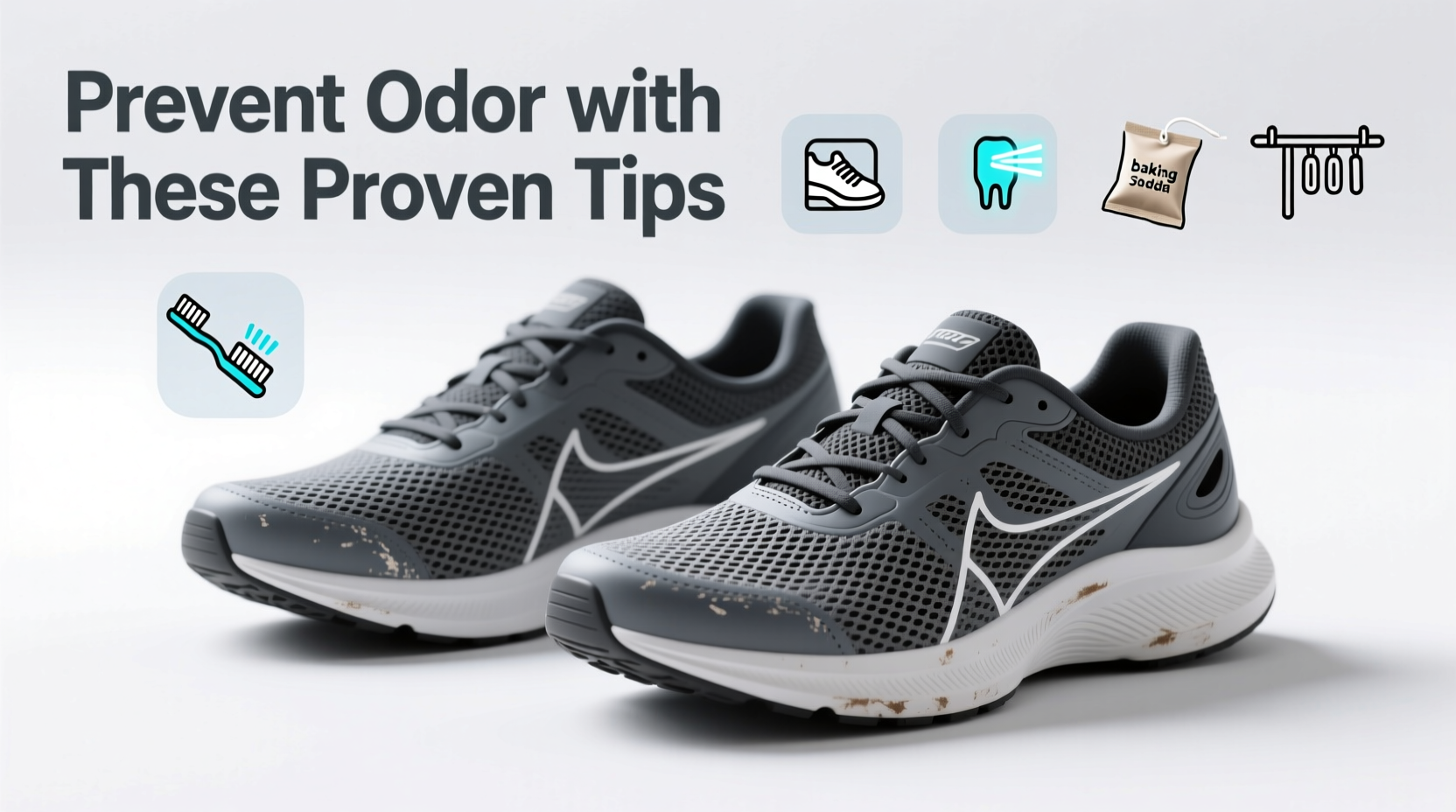
Mechanically, mesh is engineered to allow airflow and reduce weight. However, its open-knit structure also absorbs moisture quickly and holds onto organic residues like sweat and dead skin cells—perfect breeding grounds for odor-causing bacteria such as *Micrococcus* and *Staphylococcus*. Unlike leather or synthetic overlays, mesh doesn’t naturally resist microbial growth, making proactive care non-negotiable.
The key to preventing odor lies in interrupting the cycle: sweat + warmth + poor ventilation = bacterial bloom. By managing moisture and disrupting bacterial colonization early, you can preserve both the integrity of the shoe and your foot health.
Tip: Never wear the same pair of running shoes two days in a row. Rotate between at least two pairs to allow full 24–48 hours of drying time.Step-by-Step Daily & Weekly Care Routine
Consistency beats intensity when it comes to shoe maintenance. A short daily ritual combined with a weekly refresh prevents buildup before it becomes a problem.
- After Every Run: Remove insoles and laces to promote airflow. Loosen the tongue and pull the heel counter open to maximize ventilation.
- Dry Thoroughly: Place shoes in a well-ventilated area—never near direct heat sources like radiators or dryers, which degrade adhesives and warp midsoles.
- Weekly Deep Dry: Once a week, stuff shoes with crumpled newspaper or use moisture-wicking cedar inserts to draw out residual dampness from the midsole foam.
- Clean Laces & Insoles: Hand wash laces in warm soapy water; wipe insoles with a vinegar-water solution (1:1 ratio) to neutralize pH and kill microbes.
Airflow Optimization Tips
- Store shoes on a shelf or rack, not inside a gym bag or closed closet.
- Use a fan in your entryway or laundry room to circulate air around stored shoes.
- Consider adding silica gel packs inside each shoe overnight to absorb lingering moisture.
Do’s and Don’ts of Washing Mesh Running Shoes
While some brands claim machine-washable construction, most experts advise against it. Agitation and detergents can compromise cushioning, delaminate layers, and shrink mesh panels. When cleaning is necessary, gentle hand methods are far safer.
| Do | Don't |
|---|---|
| Spot clean with mild soap (like dish liquid) and a soft brush | Soak shoes in water for extended periods |
| Rinse with cool water only—never hot | Put shoes in the washing machine or dryer |
| Allow natural air drying away from sunlight | Use bleach or strong disinfectants that break down fibers |
| Use baking soda paste for stubborn stains or odor spots | Scrub aggressively—this damages mesh integrity |
Real Runner’s Experience: From Stench to Freshness
Jamal R., a recreational marathoner from Portland, used to dread opening his gym locker. “My shoes smelled like a wet dog mixed with old cheese,” he recalls. After developing athlete’s foot twice in one season, he consulted a sports podiatrist who traced the issue back to poorly maintained footwear.
Following a strict regimen—rotating three pairs, using antimicrobial insoles, and airing shoes in a ventilated boot box—he noticed changes within two weeks. “The smell disappeared. My feet felt drier during runs, and I haven’t had any skin issues since.” His turnaround underscores how simple interventions yield dramatic results.
“Odor isn’t inevitable—it’s a warning sign. If your shoes stink, they’re harboring bacteria that could affect your skin and joint health over time.” — Dr. Lena Torres, Sports Podiatrist & Foot Hygiene Researcher
Advanced Prevention: Materials, Products & Habits
Beyond basic care, strategic choices in gear and routine amplify protection against odor.
Choose Breathable Socks Wisely
Synthetic blends with moisture-wicking properties (like merino wool or polyester-mesh blends) pull sweat away from the skin faster than cotton, reducing transfer into the shoe. Avoid dark-colored socks that trap heat and promote sweating.
Use Odor-Control Products Strategically
- ZeoFill Inserts: Reusable inserts made from activated zeolite minerals absorb moisture and neutralize volatile sulfur compounds responsible for foul smells.
- Shoe Sprays with Ethanol or Tea Tree Oil: Apply post-run to create an inhospitable environment for microbes. Look for alcohol-based formulas without artificial fragrances.
- UV Sanitizing Boxes: Devices like ShoeFan or UV-C wands disrupt bacterial DNA and reduce microbial load by up to 99.8% after 30 minutes of exposure.
Monthly Maintenance Checklist
Stay ahead of odor and wear with this actionable checklist:
- ✅ Inspect insoles for discoloration or stiffness—replace every 3–6 months
- ✅ Clean shoelaces and wash removable insoles
- ✅ Check midsole compression; excessive creasing may signal end-of-life
- ✅ Wipe down interior lining with diluted white vinegar (1:1 with water)
- ✅ Rotate in odor-absorbing inserts (baking soda packs, charcoal bags, or commercial inserts)
- ✅ Evaluate storage location: ensure low humidity and consistent airflow
Frequently Asked Questions
Can I put my mesh running shoes in the freezer to kill odor?
No. While freezing kills some bacteria, it does not eliminate spores or remove organic residue. More importantly, repeated temperature shocks can damage glue bonds and foam structures. Stick to drying and antimicrobial treatments instead.
How often should I replace my running shoes?
Most runners should replace mesh running shoes every 300–500 miles, depending on gait, weight, and surface. Signs include flattened cushioning, frayed mesh, persistent odor despite cleaning, or new discomfort during runs. Worn-out shoes retain more moisture and become harder to deodorize.
Are there specific detergents safe for cleaning mesh shoes?
Yes. Use mild, pH-neutral cleaners like Nikwax Footwear Cleaning Gel or Gear Aid Revivex. These are formulated to lift grime without stripping fabric coatings or weakening stitching. Avoid household detergents, which often contain enzymes and brighteners that degrade technical textiles.
Conclusion: Make Freshness a Habit, Not a Reaction
Odor prevention isn’t a one-time fix—it’s built through daily attention and informed choices. By treating your mesh running shoes as performance equipment rather than disposable items, you extend their life, protect your foot health, and maintain confidence mile after mile. Simple actions like rotating pairs, drying thoroughly, and using targeted antimicrobial tools add minimal effort but deliver maximum return.
💬 Ready to transform your shoe care routine? Start tonight: pull out your runners, remove the insoles, and let them breathe. Share your favorite tip in the comments and help other runners run fresher.








