
Itching is more than just a minor annoyance—it can disrupt sleep, affect concentration, and significantly lower quality of life when it becomes chronic. Whether caused by dry skin, allergies, insect bites, or underlying conditions like eczema or psoriasis, persistent skin irritation demands targeted, effective relief. While scratching may offer momentary comfort, it often worsens the problem, leading to inflammation, infection, and a vicious cycle of discomfort. The good news: numerous evidence-based strategies can break this cycle and restore skin health.
Understanding the Root Causes of Itch
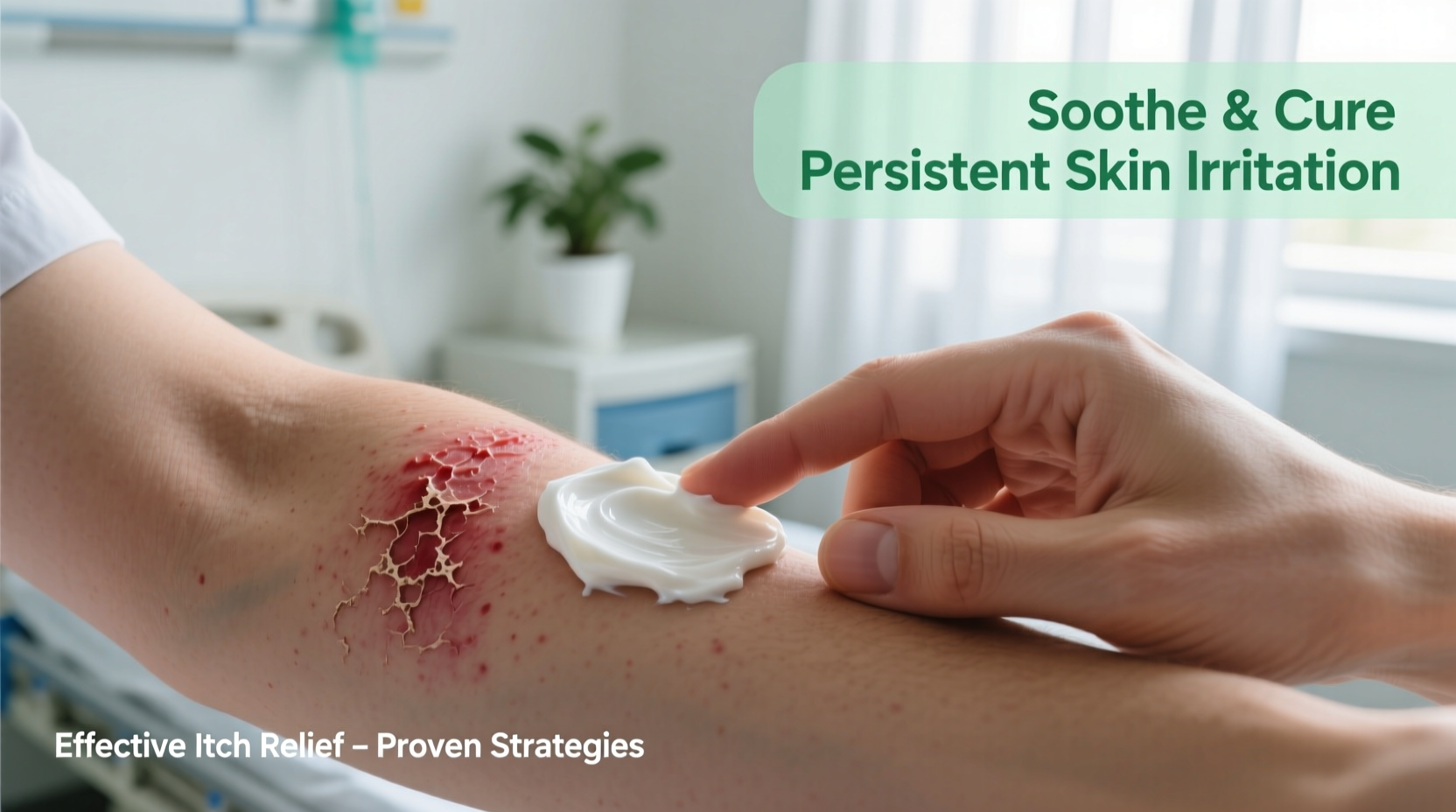
Before addressing symptoms, it’s essential to identify potential causes. Itch—medically known as pruritus—can stem from a wide range of sources:
- Dry skin (xerosis): Common in winter or low-humidity environments.
- Allergic reactions: Contact dermatitis from soaps, detergents, or plants like poison ivy.
- Skin conditions: Eczema, psoriasis, and fungal infections such as athlete’s foot.
- Insect bites or stings: Mosquitoes, bedbugs, or fleas can trigger localized itching.
- Systemic diseases: Liver or kidney disorders, thyroid imbalances, and certain cancers.
- Medication side effects: Some blood pressure drugs, antibiotics, or opioids can cause itchiness.
Pinpointing the origin helps determine whether treatment should focus on topical care, lifestyle changes, or medical intervention.
Tip: Keep a symptom diary tracking when and where itching occurs, along with any products used or environmental exposures.Immediate Relief Techniques for Acute Itching
When an itch strikes, fast-acting methods can prevent damage from scratching and provide comfort. These strategies are especially helpful during flare-ups:
- Cold compresses: Apply a clean cloth soaked in cold water or use an ice pack wrapped in fabric for 5–10 minutes. Cold numbs nerve endings and reduces inflammation.
- Oatmeal baths: Colloidal oatmeal has anti-inflammatory properties. Add finely ground oats to lukewarm bathwater and soak for 15 minutes.
- Menthol or camphor creams: Over-the-counter lotions containing these ingredients create a cooling sensation that distracts from itch signals.
- Trim nails and wear gloves: At night, wear cotton gloves to minimize skin damage from unconscious scratching.
Avoid hot showers, which strip natural oils and worsen dryness. Instead, opt for brief, lukewarm baths followed by immediate moisturizing.
Long-Term Management: Building a Skin-Soothing Routine
For recurring or chronic itching, consistent daily habits are crucial. A structured skincare regimen supports the skin barrier and reduces reactivity.
| Step | Action | Recommended Frequency |
|---|---|---|
| Cleansing | Use fragrance-free, hypoallergenic cleansers | Daily, once or twice |
| Moisturizing | Apply thick ointments (e.g., petroleum jelly) or ceramide-rich creams | Immediately after bathing, 2–3 times daily |
| Topical Treatments | Hydrocortisone cream (1%) for inflamed areas | As needed, up to 7 days |
| Clothing | Wear loose, breathable fabrics like cotton | Always |
| Humidity Control | Use a humidifier in dry climates or heated rooms | Nightly during dry months |
Consistency matters more than intensity. Even mild routines, when followed diligently, outperform sporadic aggressive treatments.
“Chronic itch is not something patients should just endure. Proper skin hydration and barrier repair reduce flare frequency by over 50% in clinical studies.” — Dr. Lena Patel, Dermatologist and Researcher at National Skin Institute
Medical Treatments for Persistent Cases
When self-care isn’t enough, professional evaluation is critical. Conditions like atopic dermatitis, lichen simplex chronicus, or neuropathic itch require targeted therapies:
- Prescription topicals: Stronger corticosteroids, calcineurin inhibitors (tacrolimus), or crisaborole for sensitive areas.
- Oral antihistamines: Non-sedating options (loratadine) for daytime; sedating types (hydroxyzine) at night to reduce sleep disruption.
- Biologics: For severe eczema, dupilumab targets specific immune pathways involved in inflammation.
- Phototherapy: Controlled UV light exposure under medical supervision can calm widespread itching.
Systemic causes must also be ruled out. Blood tests for liver function, kidney health, and thyroid levels may uncover hidden contributors.
Tip: Never use prescription-strength steroids long-term without medical guidance—skin thinning and other side effects can occur.Mini Case Study: Resolving Chronic Leg Itch
Sarah, a 62-year-old office worker, experienced worsening itch on her lower legs every winter. Despite using scented lotions and frequent hot showers, the dry, cracked skin persisted for years. After consulting a dermatologist, she was diagnosed with asteatotic eczema—extreme dryness exacerbated by overheated indoor air and harsh soaps.
Her treatment plan included:
- Switching to a soap-free cleanser
- Applying petroleum jelly within three minutes of showering
- Using a bedroom humidifier nightly
- Short-term use of 1% hydrocortisone during flares
Within four weeks, Sarah reported a 90% reduction in itching. By the following winter, she had no significant flare-ups thanks to preventive care.
Do’s and Don’ts of Itch Management
| Do | Don’t |
|---|---|
| Moisturize immediately after bathing | Use fragranced body washes or alcohol-based sanitizers |
| Wear soft, non-irritating clothing | Scratch with fingernails or sharp objects |
| Use lukewarm water for showers | Take long, hot baths regularly |
| Seek medical help if itching lasts over two weeks | Ignore signs of infection (oozing, warmth, fever) |
| Test new products on a small skin area first | Apply multiple unproven home remedies simultaneously |
Frequently Asked Questions
Can stress really make itching worse?
Yes. Psychological stress activates the nervous system and increases inflammatory markers, both of which can intensify itch sensations. Mindfulness, breathing exercises, and cognitive behavioral therapy have shown effectiveness in reducing neurogenic pruritus.
Are there foods that trigger skin itching?
In some individuals, especially those with histamine intolerance or allergies, foods like shellfish, nuts, dairy, or processed items with preservatives may provoke itching. Keeping a food-symptom journal can help identify patterns, but elimination diets should only be done under medical supervision.
Is it safe to use over-the-counter hydrocortisone long-term?
No. While 1% hydrocortisone is safe for short-term use (up to one week on small areas), prolonged application can lead to skin thinning, discoloration, and increased infection risk. Consult a doctor if symptoms persist beyond this window.
Your Action Plan for Lasting Relief
- Assess your routine: Identify and eliminate irritants like perfumed soaps or wool clothing.
- Hydrate daily: Apply a fragrance-free moisturizer at least twice a day, especially after washing.
- Cool the itch: Use cold compresses or menthol lotions for acute flare-ups instead of scratching.
- Monitor progression: Track symptoms for two weeks—if no improvement, see a healthcare provider.
- Get tested if needed: Rule out systemic conditions through blood work or allergy testing.
Effective itch relief doesn’t rely on a single miracle solution. It combines smart daily choices, timely interventions, and professional insight when necessary. With patience and consistency, most forms of persistent skin irritation can be managed—or even resolved.
💬 Have a strategy that worked for your skin? Share your experience below and help others find relief.








