For ballet dancers, a high, flexible arch is more than an aesthetic ideal—it’s a functional necessity. Strong, supple feet enhance balance, elevate pointe work, and contribute to graceful lines. Yet, achieving greater arch flexibility requires consistent, targeted stretching. While professional physical therapy and manual techniques are valuable, many dancers turn to foot stretchers as a practical tool for daily training. The challenge lies in finding devices that are both effective and budget-friendly. Fortunately, several affordable options deliver real results when used correctly.
Why Foot Stretchers Matter for Ballet Dancers
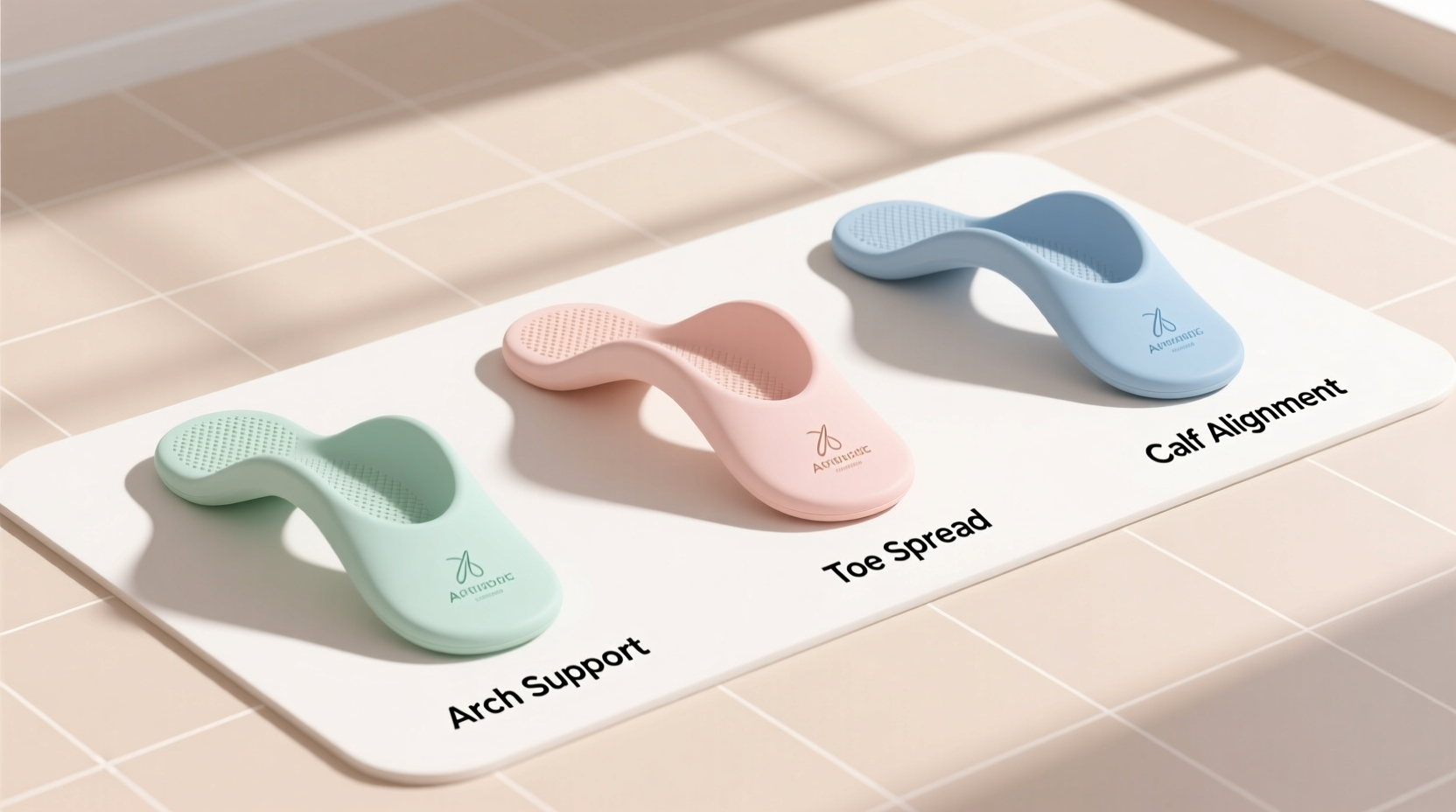
The arch of the foot plays a pivotal role in ballet technique. Whether on demi-pointe or full pointe, dancers rely on dorsiflexion—the upward bending of the foot at the ankle—and intrinsic foot strength to achieve clean lines and stable landings. Over time, repetitive movements can lead to tightness in the plantar fascia, Achilles tendon, and calf muscles, restricting range of motion.
Foot stretchers help counteract this by gently guiding the foot into deeper extension. Unlike passive stretching alone, these tools provide mechanical support, allowing dancers to maintain a stretch longer and with less fatigue. When incorporated into a regular routine, they can gradually increase flexibility, reduce stiffness, and improve proprioception in the feet.
“Consistent use of a well-designed foot stretcher can significantly enhance foot articulation—especially when paired with proper strengthening exercises.” — Dr. Lena Torres, Dance Physiotherapist and Certified Pilates Instructor
Top Affordable Foot Stretcher Options
Not all foot stretchers are created equal. Some are overpriced with minimal added benefit, while others offer excellent value without compromising safety. Below is a comparison of five cost-effective models that have gained popularity among students, pre-professionals, and seasoned dancers alike.
| Product Name | Price Range (USD) | Key Features | Durability | User Rating |
|---|---|---|---|---|
| Bloch Flexi-Foot Stretcher | $25–$35 | Ergonomic curve, non-slip base, adjustable strap | High (reinforced plastic) | ⭐ 4.6/5 |
| Mondor ArchMaster Pro | $30–$40 | Contoured footbed, dual-angle design, compact | Medium (lightweight polymer) | ⭐ 4.4/5 |
| Danshuz Foot Stretcher | $20–$30 | Simple U-shape, padded top bar, portable | Medium (plastic with foam padding) | ⭐ 4.3/5 |
| FeetUp Flex Device | $35–$45 | Multi-position settings, incline adjustability | High (metal hinge mechanism) | ⭐ 4.7/5 |
| Generic Amazon/U-shaped Stretcher | $12–$20 | Basic design, minimal padding, no adjustability | Low to Medium | ⭐ 3.8/5 |
While premium models exist, the Bloch and FeetUp options stand out for their balance of affordability, durability, and biomechanical support. The generic models may suffice for occasional use but often lack ergonomic shaping, increasing the risk of uneven pressure on the metatarsals.
Tip: Always place a thin sock or towel between your foot and the stretcher bar to prevent skin irritation or bruising.How to Use a Foot Stretcher Safely and Effectively
Using a foot stretcher incorrectly can lead to strain, tendonitis, or joint discomfort. To maximize benefits and minimize injury risk, follow this step-by-step guide:
- Warm up first. Perform 5–10 minutes of light cardio or foot rolls with a tennis ball to increase blood flow.
- Position the device on a non-slip surface. Place it against a wall or under a sturdy chair for stability.
- Sit with legs extended. Keep your back straight and knees slightly bent to avoid hyperextension.
- Place the ball of your foot on the curved bar. Heel should rest on the ground or base platform.
- Lean forward slowly. Allow your ankle to move into dorsiflexion. Stop when you feel a firm but comfortable stretch.
- Hold for 30–60 seconds. Breathe deeply and avoid bouncing.
- Repeat 2–3 times per foot. Use once or twice daily, ideally after dancing or during cool-down.
Never force the stretch. Pain is not a sign of progress. If you experience sharp discomfort, numbness, or tingling, discontinue use and consult a dance medicine specialist.
Complementary Exercises to Maximize Arch Development
A foot stretcher alone won’t build a strong, expressive arch. It must be paired with intrinsic foot strengthening and neuromuscular control. Incorporate these exercises 4–5 times per week:
- Towel Scrunches: Place a small towel on the floor and use your toes to pull it toward you. Do 3 sets of 15 reps per foot.
- Doming: Press the ball and heel of your foot into the floor while lifting the arch upward, creating a “dome.” Hold for 10 seconds, repeat 10 times.
- Relevés in Parallel: Rise onto the balls of your feet slowly, focusing on even weight distribution across the metatarsals. Lower with control. Perform 2 sets of 12.
- Theraband Point-and-Flex: Use resistance band around the ball of foot to strengthen both plantarflexion and dorsiflexion.
“Flexibility without strength leads to instability. A dancer needs both a supple and resilient foot.” — Maria Chen, Former Principal Dancer and Dance Conditioning Coach
Mini Case Study: Building Arch Flexibility on a Budget
Sophie, a 17-year-old pre-professional dancer from Portland, struggled with limited dorsiflexion, which affected her pointe shoe alignment and caused frequent ankle rolling. With tuition and pointe shoes consuming most of her budget, she hesitated to invest in expensive training tools. After researching affordable options, she purchased the Bloch Flexi-Foot Stretcher for $28.
She committed to using it daily after class, following the recommended protocol and combining it with doming and towel scrunches. Within six weeks, her instructor noted improved foot articulation during tendus and adagio. By week ten, Sophie could fully point her foot in the air without gripping her toes—an achievement she attributed to consistent, mindful stretching. Her experience demonstrates that even modest investments, when paired with discipline, yield measurable gains.
Checklist: Choosing and Using Your Foot Stretcher
Before buying and using a foot stretcher, ensure you’re making a safe and informed choice. Use this checklist:
- ✅ Research user reviews from actual dancers, not just general fitness consumers.
- ✅ Confirm the device has a contoured shape to support the natural arch.
- ✅ Check for non-slip features to prevent accidents during use.
- ✅ Start with shorter holds (20–30 seconds) and gradually increase duration.
- ✅ Pair stretching with strengthening exercises for balanced development.
- ✅ Avoid using the stretcher if you have acute injuries, plantar fasciitis flare-ups, or stress fractures.
- ✅ Replace worn or cracked devices immediately to prevent uneven pressure.
Frequently Asked Questions
Can foot stretchers damage my arches?
When used improperly or aggressively, foot stretchers can strain ligaments or irritate tendons. However, when applied gently and consistently, they are generally safe. Avoid overstretching, and never use them through pain. Those with flat feet or hypermobility should consult a physiotherapist before starting.
How long until I see improvements in my arch?
Most dancers notice increased comfort and slight improvement in foot flexibility within 3–6 weeks of daily use. Visible changes in arch height and line quality typically emerge after 8–12 weeks, especially when combined with targeted strengthening.
Are there any alternatives to foot stretchers?
Yes. Manual stretching with a resistance band, yoga poses like downward dog, and massage with a golf ball or foot roller can supplement or substitute foot stretchers. However, these methods require more active effort and may not provide the same sustained stretch.
Conclusion: Invest Wisely, Train Consistently
Improving your arch isn’t about quick fixes or expensive gadgets—it’s about intelligent, sustained effort. Affordable foot stretchers like the Bloch Flexi-Foot or Danshuz models offer accessible entry points for dancers at every level. When used correctly and paired with complementary exercises, they become powerful allies in developing both flexibility and strength.
Your feet carry your artistry. Treat them with care, train them with purpose, and choose tools that support your goals without straining your budget. Begin today with a simple routine, track your progress, and let consistency be your greatest advantage.
💬 Have you tried a foot stretcher? Share your experience or tips in the comments below—your insights could help another dancer on their journey.








