
Fishing is as much about precision as it is about patience. While the right bait, rod, and location matter, one of the most overlooked yet critical elements is the knot tying your hook to the line. A poorly tied knot can cost you a trophy fish in seconds. But beyond mere function, today’s anglers are embracing knots that blend strength, reliability, and elegance—knots that are not only effective but also reflect a refined approach to the craft. Choosing the right knot isn’t just technical; it’s an art form that elevates your entire fishing experience.
The Role of Knots in Fishing Success
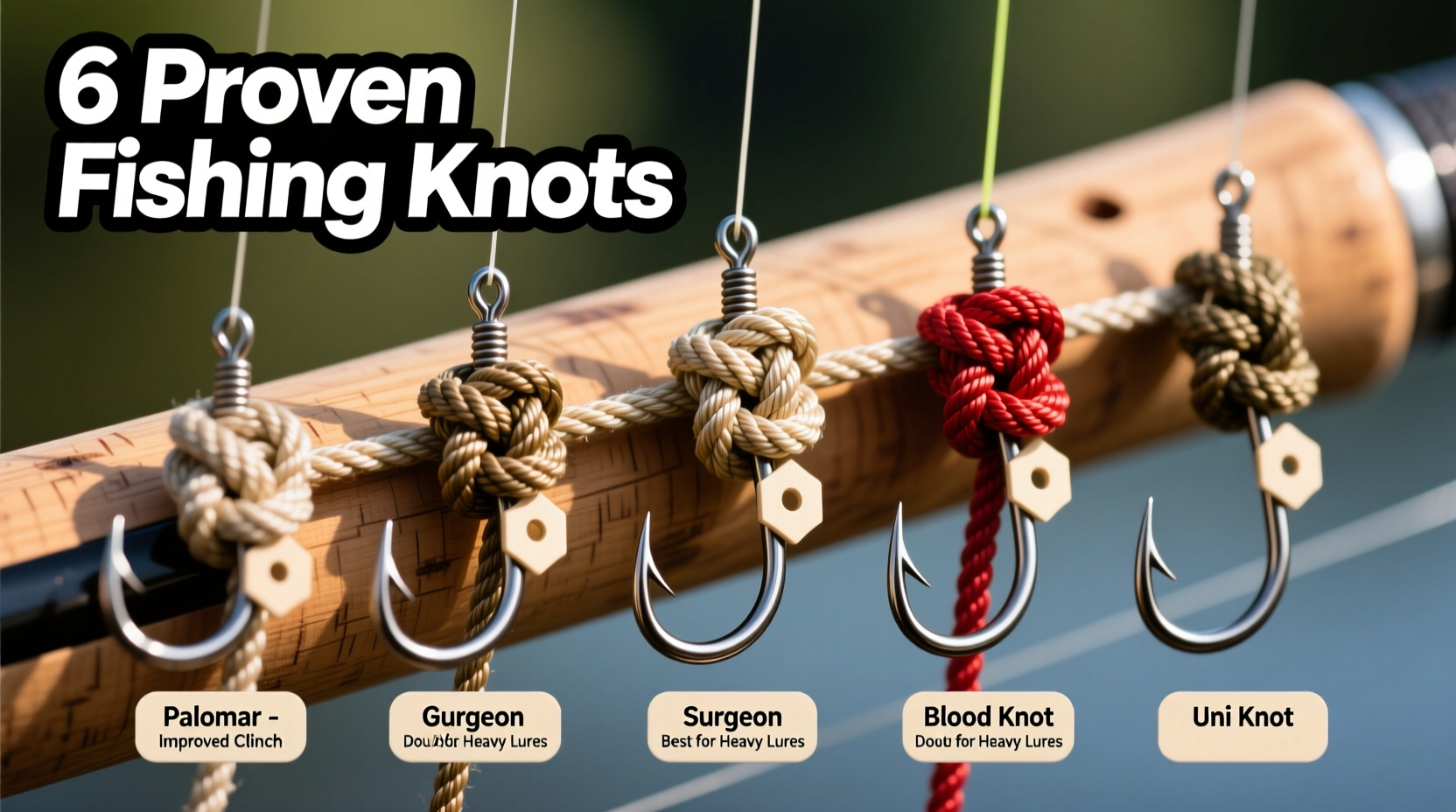
A fishing knot does more than connect two pieces of line or attach a hook—it acts as the weakest link in your setup. If compromised, even the strongest line will fail under pressure. The ideal knot maintains at least 90% of the line’s original tensile strength, resists slipping, and holds firm under dynamic loads such as sudden strikes or head shakes from powerful fish.
Beyond strength, knot selection influences how the hook presents in the water. Some knots allow for freer movement, making lures or bait appear more natural. Others keep the hook rigidly positioned, which can be crucial when targeting species with specific feeding behaviors. Additionally, certain knots are easier to tie under pressure, especially with cold hands or low light, making them practical choices for real-world conditions.
Tip: Always moisten your knot before tightening to reduce friction and prevent weakening the line during cinching.Top 5 Effective and Stylish Knots for Hooks
While dozens of knots exist, only a handful consistently deliver performance, ease, and aesthetic appeal. These five stand out for their balance of functionality and finesse.
1. The Palomar Knot
Widely regarded as one of the strongest and simplest knots, the Palomar excels with both monofilament and braided lines. Its double-line structure and minimal twists make it highly resistant to slippage and abrasion.
“The Palomar knot is my go-to for freshwater bass and saltwater snapper. It’s fast, secure, and rarely fails.” — Captain Luis Mendez, Charter Guide & Tournament Angler
2. The Improved Clinch Knot
A classic favorite among anglers worldwide, this knot works exceptionally well with lighter lines and smaller hooks. When tied correctly, it retains up to 95% of line strength and lies flat against the hook eye, reducing snag risks.
3. The Snell Knot
Unique in that it aligns the line directly along the shank of the hook, the Snell ensures even force distribution during setting. This reduces the chance of hook bending or pulling free. Often used in commercial rigs and live-bait setups, its clean, symmetrical appearance adds a professional touch.
4. The Non-Slip Loop Knot (Kreh Knot)
This knot creates a fixed loop that allows the hook or lure to move freely, enhancing action and lifelike motion. Particularly effective with soft plastics and topwater lures, it’s a favorite among finesse fishermen. The flowing design looks elegant and performs beautifully in current or wave action.
5. The Uni Knot (Double Wrap for Hooks)
Versatile and strong, the Uni Knot can be adapted for attaching hooks, leaders, or joining lines. When doubled for hook attachment, it provides excellent holding power and a sleek profile. Its smooth finish and consistent shape make it visually pleasing and reliable across line types.
Step-by-Step: Tying the Palomar Knot
Mastering one dependable knot can transform your confidence on the water. Follow these steps to tie the Palomar—a knot known for its simplicity and near-perfect strength retention.
- Fold about 6 inches of line to form a double strand.
- Pass the loop through the eye of the hook.
- Tie a simple overhand knot with the doubled line, leaving the loop open.
- Pass the hook through the loop, ensuring it goes all the way through.
- Pull both ends of the line to tighten the knot gradually.
- Trim the tag end close to the knot after confirming tightness.
Test the knot by giving it a firm tug. If tied correctly, it should hold without slipping or fraying.
Tip: Practice knot tying at home with scrap line to build muscle memory before heading out.Comparison Table: Knot Performance at a Glance
| Knot | Line Strength Retention | Best For | Difficulty | Style Factor |
|---|---|---|---|---|
| Palomar | 95–100% | All-purpose, braid/mono | Easy | Clean, compact |
| Improved Clinch | 90–95% | Light tackle, small hooks | Moderate | Classic, functional |
| Snell | 85–90% | Bait fishing, multiple hooks | Moderate | Symmetrical, professional |
| Non-Slip Loop | 80–85% | Lures with action | Advanced | Fluid, dynamic |
| Uni Knot (Double) | 90–95% | Heavy-duty applications | Moderate | Sleek, adaptable |
Real Example: How the Right Knot Landed a 40-Pound Tarpon
Derek H., an experienced fly angler from Florida, was targeting tarpon off Boca Grande Pass using a 30-pound test leader. He had been losing fish at the boat despite perfect casts and retrieves. After reviewing footage, he realized his improved clinch knots were failing under the initial jump stress.
He switched to pre-tied loops using the Non-Slip Loop Knot, allowing his fly greater freedom of movement and reducing shock load on the knot itself. On his next outing, he hooked a 40-pound tarpon. Despite seven blistering runs and three aerial acrobatics, the knot held firm. “It wasn’t just the gear,” Derek said later. “It was knowing the connection between my line and hook wouldn’t let me down.”
Checklist: Optimizing Your Hook Knot System
- ✅ Match the knot to your line type (braid, fluorocarbon, mono).
- ✅ Test each knot type under tension before relying on it in the field.
- ✅ Use proper lighting and tools (like knot-tying jigs) when learning new knots.
- ✅ Moisten the knot before tightening to prevent heat damage.
- ✅ Inspect knots after every catch or heavy resistance.
- ✅ Carry pre-rigged hooks with trusted knots for quick changes.
- ✅ Practice tying with gloves on if fishing in cold environments.
Frequently Asked Questions
Which knot is best for braided line?
The Palomar knot is widely considered the best for braided line due to its high strength retention and resistance to slippage. The Double Uni Knot is also effective when connecting braid to a leader.
Why did my knot fail even though I tied it correctly?
Knot failure can occur due to line fatigue, nicks, or improper seating. Always inspect your line near the knot for abrasions, and avoid reusing knots after a major struggle. Also, ensure the knot is fully seated by pulling all ends slowly and evenly.
Can I use the same knot for all types of fishing?
While the Palomar is highly versatile, specialized situations benefit from tailored knots. For example, use the Non-Slip Loop Knot for lures needing action, and the Snell for bottom rigs with live bait. Adapting your knot choice enhances both performance and presentation.
Final Thoughts: Elevate Your Game with Thoughtful Tying
Great fishing isn’t just about where you go or what you throw—it’s about the details. A well-tied knot reflects preparation, respect for the sport, and attention to craftsmanship. Whether you’re casting into a mountain stream or battling bluewater giants, choosing an effective and stylish knot gives you a silent edge. It’s not flashy, but it’s foundational.
Take time to master a few key knots. Refine your technique. Appreciate the symmetry of a perfectly seated Palomar or the graceful arc of a loop knot dancing beneath the surface. These small victories compound into greater confidence, more landed fish, and a deeper connection to the rhythm of angling.
💬 What’s your favorite hook knot and why? Share your experiences, tips, or questions in the comments—let’s learn from each other and keep improving, one knot at a time.








