Bicycle theft remains a persistent issue in urban areas, campuses, and even residential neighborhoods. With thousands of bikes stolen annually—many within seconds—owners need more than just a lock. A high-quality bike alarm acts as both a deterrent and an early warning system. Unlike passive security measures, an active alarm can disrupt a theft attempt in progress by drawing attention through loud sirens or remote notifications. The key is choosing an alarm that balances reliability, ease of use, and responsiveness. This guide explores the most effective and trustworthy bike alarms available, breaking down their mechanisms, strengths, and ideal use cases.
How Bike Alarms Work: The Science Behind Theft Prevention
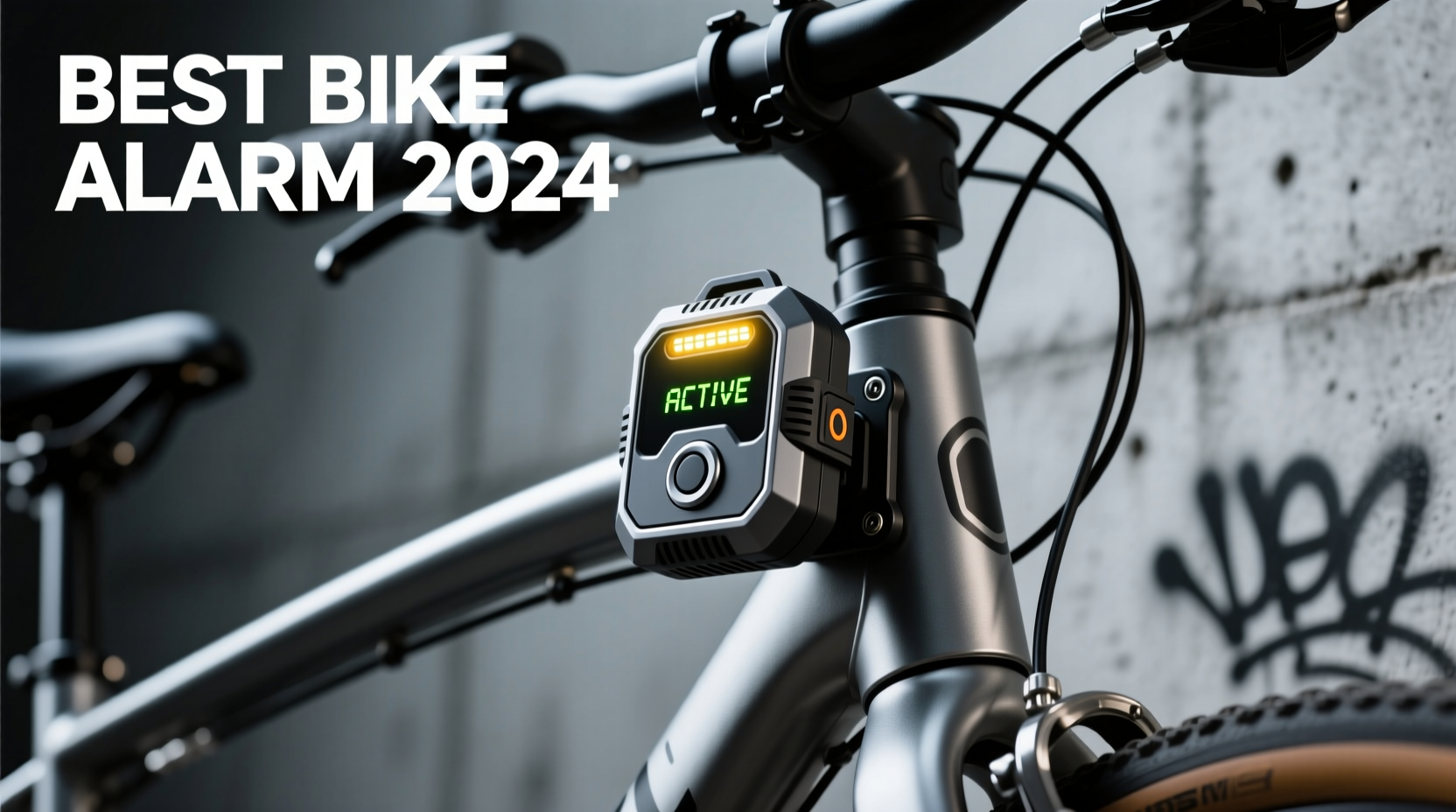
Bike alarms operate on motion detection, vibration sensing, or tilt activation. When someone attempts to move, lift, or tamper with your bike, the internal sensors trigger a response. Most modern alarms emit a piercing siren—typically between 90 and 130 decibels—that can startle thieves and alert nearby people. Some advanced models connect via Bluetooth or GPS to send real-time alerts to your smartphone, enabling immediate action.
The effectiveness of a bike alarm depends on three factors: sensitivity, battery life, and integration with other security layers. An overly sensitive alarm may trigger falsely from wind or passing vehicles, while one that’s too insensitive might fail to detect actual threats. Similarly, a short battery life undermines reliability, especially for long-term outdoor parking. Finally, pairing an alarm with a solid U-lock or chain significantly increases overall protection.
Tip: Always test your bike alarm in a quiet environment before relying on it in public spaces to ensure proper sensitivity and volume.Top Features to Look for in a Reliable Bike Alarm
Not all bike alarms are created equal. To identify truly effective models, focus on these essential features:
- Loudness (Decibel Rating): Aim for at least 100 dB. Sounds above 110 dB are comparable to a power drill and difficult to ignore.
- Power Source: Rechargeable lithium batteries offer convenience, while replaceable coin cells provide longer shelf life in low-use scenarios.
- Weather Resistance: IPX5 or higher rating ensures performance in rain, snow, or humidity.
- Mounting Security: The alarm should be hard to remove without tools. Some models integrate into seat posts or handlebars.
- Smart Connectivity: Bluetooth-enabled alarms can pair with apps to notify you if your bike moves beyond a set radius.
- Auto-Arming: Automatically activates after a delay when you walk away, reducing user error.
“An alarm isn’t just about noise—it’s about creating a psychological barrier. Thieves prefer silent, quick jobs. A loud alarm forces hesitation, and hesitation saves bikes.” — David Lin, Urban Cycling Safety Consultant
Comparison of Leading Bike Alarms
| Model | Decibel Output | Power Source | Smart Features | Price Range |
|---|---|---|---|---|
| Abus Bordo Alarm 6000 | 100 dB | Rechargeable | No | $120 |
| Knog Big Heist | 105 dB | Replaceable CR2032 | No | $75 |
| Octopus Bike Alarm Pro | 120 dB | Rechargeable USB-C | App Alerts, GPS Tracking | $150 |
| MOON Smart Bike Alarm | 110 dB | Rechargeable | Bluetooth, Theft Notifications | $99 |
| Zeon Bike Horn & Alarm | 95 dB | CR123A Battery | No | $60 |
The Abus Bordo Alarm stands out for its integration with a folding lock, offering dual physical and auditory protection. Meanwhile, the Octopus Bike Alarm Pro leads in smart functionality, combining GPS tracking with geofencing—sending push alerts if your bike moves outside a designated zone. For budget-conscious riders, the Knog Big Heist delivers solid performance with simple setup and excellent weather sealing.
Real-World Scenario: How a Bike Alarm Prevented Theft
In Portland, Oregon, cyclist Maria T. left her commuter bike locked to a street rack overnight near a transit hub. She had installed the MOON Smart Bike Alarm two weeks prior. At 3:17 AM, the app on her phone buzzed with an alert: “Bike movement detected.” She checked the live location—her bike was moving north along a side street. She called the non-emergency police line immediately. Officers intercepted the thief two blocks away, recovering the bike intact. The alarm’s siren had already scared off the suspect, who abandoned the bike after lifting it onto his shoulder.
This case highlights how timely alerts make the difference. Without the alarm, the theft would have gone unnoticed until morning. With it, intervention occurred within minutes. While not every model offers app connectivity, this example underscores the value of active monitoring in high-risk zones.
Step-by-Step Guide to Installing and Using a Bike Alarm Effectively
Installing a bike alarm correctly ensures maximum protection. Follow these steps:
- Choose the Mounting Location: Secure the alarm to a non-removable part like the seat post, frame tube, or handlebar stem. Avoid attaching it to accessories that can be quickly detached.
- Check Power Status: Charge or insert fresh batteries. Test the alarm before final installation.
- Adjust Sensitivity: Most alarms have a dial or app setting. Start with medium sensitivity, then fine-tune based on false triggers (e.g., strong winds).
- Pair with a Lock: Use a hardened steel U-lock or heavy-duty chain. Never rely solely on the alarm.
- Test the System: Walk away and simulate tampering—lift the bike slightly or shake the handlebars—to confirm the alarm activates.
- Enable Auto-Arm (if available): Set a 15–30 second delay so you can walk away without triggering it prematurely.
Common Mistakes That Reduce Alarm Effectiveness
Even the best alarm fails if misused. Avoid these pitfalls:
- Mounting on Removable Parts: Attaching an alarm to a water bottle cage or quick-release rack allows thieves to remove it silently.
- Ignoring Low Battery Warnings: A dead alarm is useless. Set calendar reminders to check power monthly.
- Overlooking Placement: Alarms mounted under saddles or inside frames may muffle the siren, reducing audibility.
- Using Only One Layer of Security: An alarm should complement, not replace, a high-quality lock.
- Skipping Testing: Environmental conditions vary; test monthly, especially after winter or heavy rain.
Frequently Asked Questions
Do bike alarms actually deter theft?
Yes, especially in populated areas. The sudden loud noise attracts attention and interrupts stealthy theft attempts. Studies show that audible alarms reduce successful thefts by up to 60% when combined with good locks.
Can I use a bike alarm with an electric bike?
Absolutely. Many e-bike owners benefit even more from alarms due to the higher resale value of their bikes. Ensure the alarm doesn’t interfere with onboard electronics—mount it away from control units and wiring harnesses.
Are smart alarms worth the extra cost?
If you frequently park in high-theft zones or leave your bike unattended for long periods, yes. GPS and real-time alerts provide peace of mind and faster response times. For casual riders using secure indoor storage, a basic model may suffice.
Final Recommendations and Action Plan
The best bike alarm combines loudness, durability, and seamless integration with your existing security habits. For city commuters, the Octopus Bike Alarm Pro or MOON Smart Alarm offer unmatched connectivity. For simplicity and ruggedness, the Knog Big Heist remains a favorite among touring cyclists. And for those who want lock-and-alarm synergy, the Abus Bordo 6000 is a premium all-in-one solution.
No single device guarantees 100% protection. But when paired with a Sold Secure-rated lock, strategic parking (well-lit, high-traffic areas), and registration (via BikeRegister or local databases), a quality alarm dramatically reduces risk.
💬 Ready to protect your ride? Evaluate your current setup, choose an alarm that fits your riding pattern, and install it today. Your future self—and your bike—will thank you.








