Soft sole ballet flats are a wardrobe staple for many: elegant, comfortable, and versatile. However, their delicate construction—especially the thin soles and often sensitive uppers—makes them prone to scuffs, stains, and odor buildup. Unlike sturdier footwear, these flats can’t withstand aggressive cleaning. The good news is that with the right techniques, you can keep them looking fresh without stepping foot outside your home.
Cleaning ballet flats isn’t just about appearance; it’s also about longevity and hygiene. Regular maintenance prevents material breakdown, reduces odor from trapped moisture, and preserves the shoe’s shape. This guide walks through safe, proven methods tailored specifically for soft sole flats made from suede, leather, fabric, and synthetic blends.
Understanding Your Ballet Flat Materials
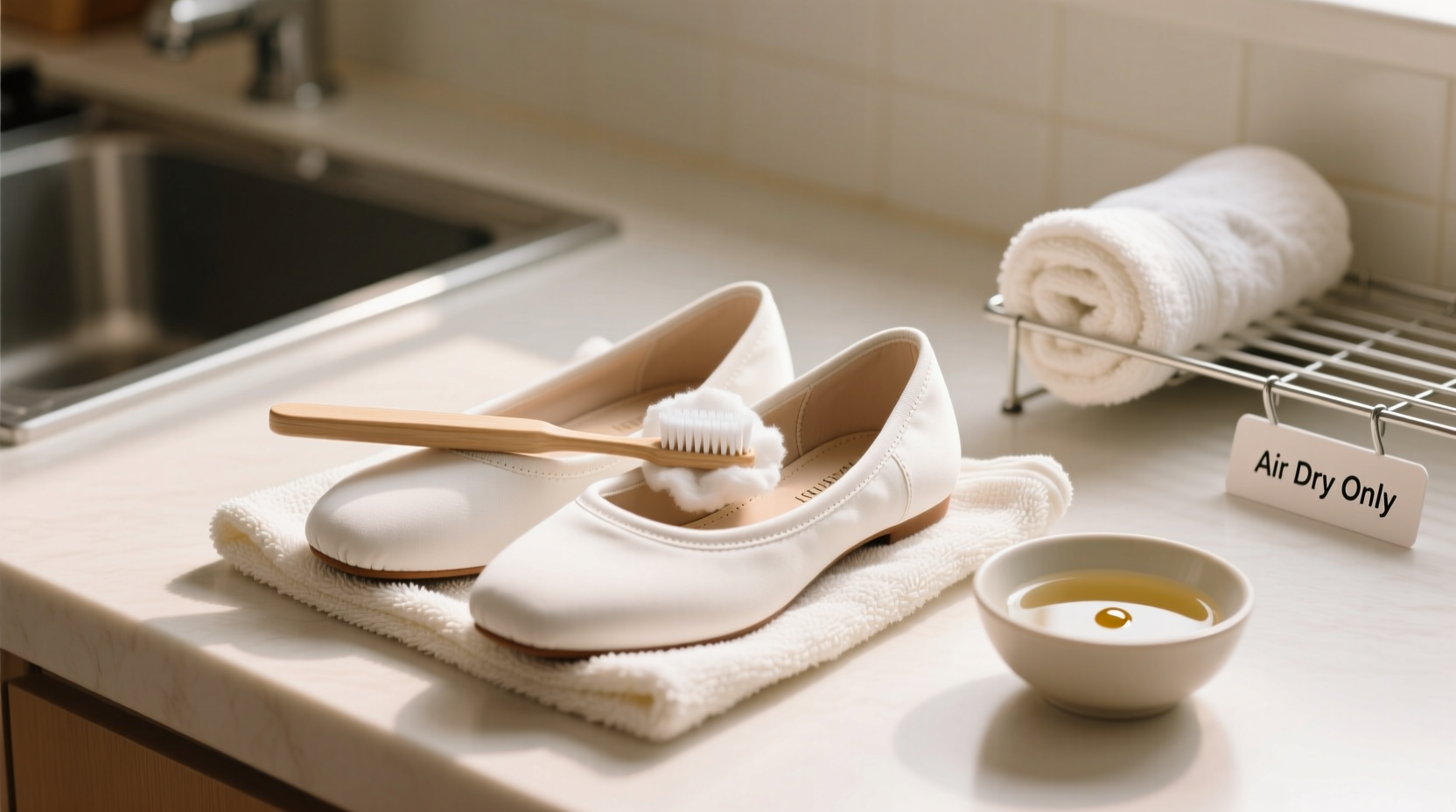
Before reaching for water or detergent, identify the material of your flats. The cleaning method varies drastically depending on whether the upper is suede, patent leather, cotton canvas, or smooth leather. Misidentifying the material can lead to irreversible damage like warping, fading, or stiffness.
- Suede: Highly absorbent and easily stained. Requires dry-cleaning methods and specialized brushes.
- Smooth Leather: Can tolerate light moisture but must be dried carefully to avoid cracking.
- Fabric/Canvas: More washable but prone to shrinking or color bleeding if not handled gently.
- Synthetics: Often more durable, but still vulnerable to heat and harsh chemicals.
Step-by-Step Guide to Cleaning Soft Sole Ballet Flats
Cleaning ballet flats at home doesn’t require special equipment—just patience and attention to detail. Follow this timeline-based process for best results.
- Remove Surface Dirt (5 minutes): Use a soft-bristled brush or microfiber cloth to gently wipe away dust and loose debris. For suede, always brush in one direction to preserve the nap.
- Treat Stains Immediately (10–15 minutes): Dab (don’t rub) spills with a clean, dry cloth. For oil-based stains on suede, sprinkle cornstarch and let sit overnight to absorb the grease.
- Select & Apply Cleaner (10 minutes): Use a product suited to the material—suede eraser, leather cleaner, or mild soap solution for fabric.
- Dry Naturally (6–12 hours): Stuff shoes with acid-free tissue paper or white tissue to maintain shape. Avoid direct heat or sunlight.
- Deodorize & Refresh (5 minutes): Sprinkle baking soda inside and leave overnight, then vacuum gently with a brush attachment.
“Over-wetting soft-soled flats is the most common mistake. The glue holding the sole can weaken, leading to delamination.” — Lila Nguyen, Footwear Restoration Specialist
Material-Specific Cleaning Methods
Not all ballet flats are created equal. Below is a comparison of recommended techniques by material type.
| Material | Cleaning Method | Do’s | Don’ts |
|---|---|---|---|
| Suede | Suede eraser + brush; cornstarch for oil | Brush regularly; use protective spray | Avoid water; don’t press too hard |
| Leather | Damp cloth + leather cleaner; condition after | Wipe immediately after wear; condition monthly | No soaking; never use alcohol wipes |
| Fabric/Canvas | Hand wash with mild detergent | Rinse thoroughly; air dry flat | No machine wash; no dryer |
| Synthetic | Wipe with damp soapy cloth | Use gentle dish soap; dry in shade | Avoid abrasives; don’t use bleach |
Mini Case Study: Reviving a Gifted Pair of Suede Flats
Sophie received a pair of blush-pink suede ballet flats as a gift. After wearing them on a rainy afternoon, she noticed mud spots and a dull surface. Instead of discarding them, she followed a careful restoration process. She used a suede brush to lift the nap, applied a suede-specific cleaner with a sponge, and treated oil marks with cornstarch. After 24 hours of drying, she sprayed them with a waterproofing agent. The flats regained their original softness and color, extending their life by over a year.
Tip: Never store suede flats in plastic bags. They need to breathe to prevent mildew and stiffness.Preventative Care Checklist
Maintenance is easier than restoration. Use this checklist weekly and seasonally to protect your investment.
- ✅ Wipe down after each wear with a dry microfiber cloth
- ✅ Rotate pairs to allow ventilation between uses
- ✅ Apply a protective spray (suede guard or leather protector) every 4–6 weeks
- ✅ Store in breathable cotton bags or shoe boxes with silica gel packs
- ✅ Recondition leather every 2 months with a cream suitable for delicate finishes
- ✅ Replace insoles periodically to reduce odor and improve comfort
Frequently Asked Questions
Can I put my ballet flats in the washing machine?
No. The agitation and moisture can break down adhesives, warp the soles, and shrink or fade the fabric. Always opt for hand cleaning with minimal water exposure.
How do I remove odors without washing?
Place crumpled newspaper or activated charcoal sachets inside the shoes overnight. Baking soda works well too—just ensure it’s fully removed before wearing. For persistent smells, consider cedar shoe trees designed for flats.
Is it safe to use vinegar on ballet flats?
Vinegar is too acidic for most delicate materials. It can discolor suede and strip natural oils from leather. If disinfecting is necessary, use a 1:1 mix of water and rubbing alcohol (70% isopropyl), applied sparingly with a cotton pad—never directly sprayed.
Conclusion: Gentle Habits, Lasting Results
Soft sole ballet flats deserve thoughtful care. Their elegance lies in their simplicity, but that same delicacy means they can’t endure rough treatment. By understanding the materials, using targeted cleaning techniques, and incorporating preventative habits, you can enjoy your favorite pairs for seasons to come.
Every time you wipe down a scuff or refresh the lining with baking soda, you’re not just cleaning—you’re preserving craftsmanship and comfort. These small acts extend the life of your shoes, reduce waste, and keep your style consistent.
💬 Have a go-to trick for reviving worn ballet flats? Share your tip in the comments and help others care for their favorite footwear with confidence.








