Camping strips away modern comforts, but it doesn’t mean sacrificing cleanliness. After a long hike, a day of fishing, or setting up camp in dusty terrain, having a quick way to clean your hands, face, or gear can make a huge difference in comfort and health. While water and soap are ideal, they aren’t always accessible in the wild. That’s where high-quality camping wipes come in—compact, effective, and designed for real outdoor conditions.
The right wipe does more than remove dirt; it prevents infections from cuts, reduces odor, and keeps skin irritation at bay. But not all wipes are created equal. From biodegradability to scent sensitivity and moisture retention, choosing the best option requires careful consideration. This guide explores top-performing wipes tailored for camping, what makes them stand out, and how to use them wisely in the backcountry.
Why Wipes Matter in the Great Outdoors
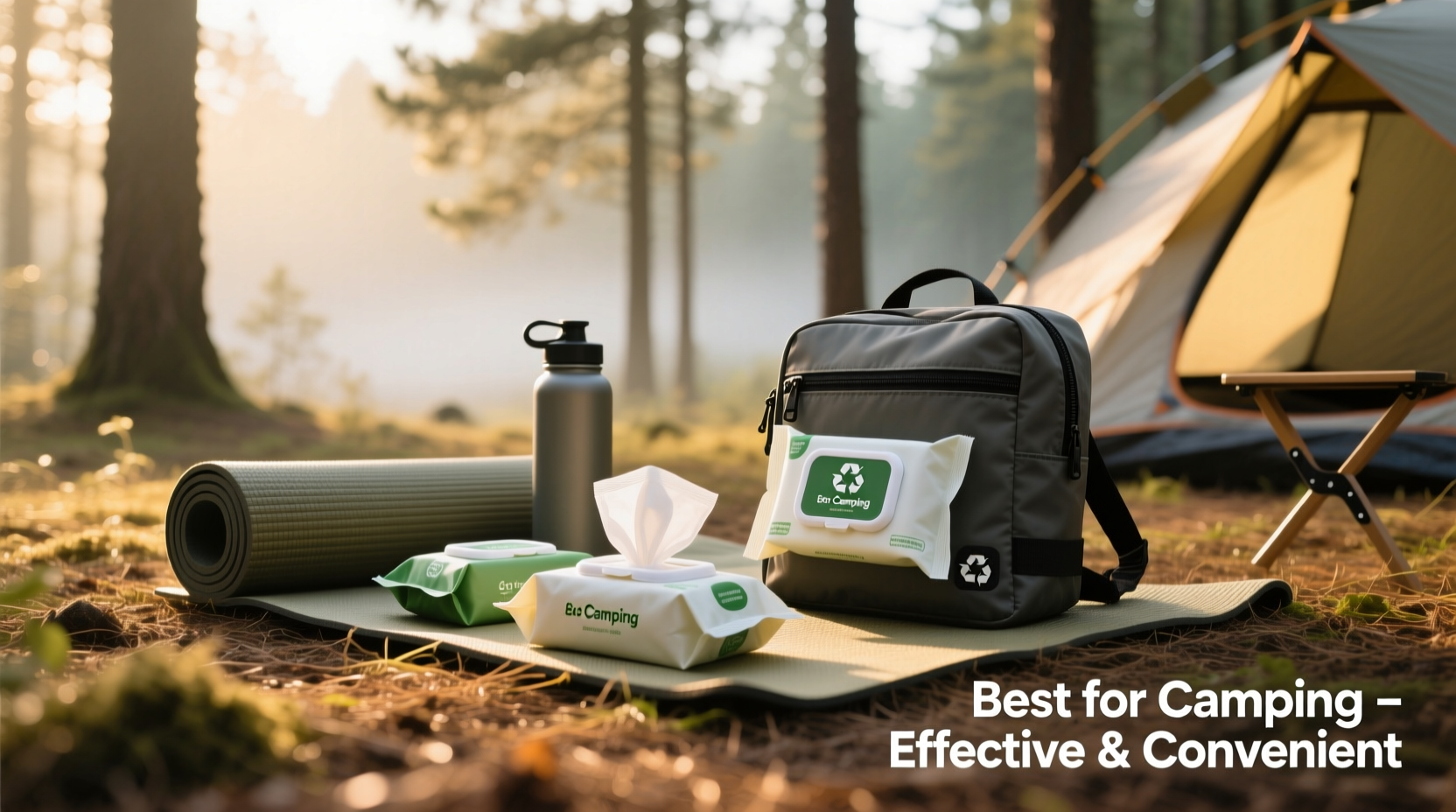
Hygiene is often overlooked in outdoor adventures, but maintaining cleanliness directly impacts safety and enjoyment. Without regular handwashing, bacteria from soil, wildlife, or food prep can lead to illness. Wipes offer a practical solution when sinks or running water aren’t available.
Backpackers, family campers, and overlanders alike benefit from carrying sanitizing wipes. They’re useful for cleaning cooking utensils, wiping down tent zippers, or freshening up after using a portable toilet. Some even double as emergency first aid tools for cleaning minor scrapes.
“Maintaining personal hygiene while off-grid significantly reduces the risk of gastrointestinal issues and skin infections.” — Dr. Lena Torres, Wilderness Medicine Specialist
Key Features of the Best Camping Wipes
When selecting wipes for outdoor use, prioritize function over convenience. The best options combine durability, safety, and environmental responsibility. Consider these criteria:
- Biodegradability: Choose wipes made from plant-based fibers that break down naturally if disposed of properly.
- Alcohol Content: Hand sanitizer wipes with at least 60% alcohol effectively kill germs but may dry out skin. Balance effectiveness with moisturizers like aloe.
- Scent-Free Formulas: Avoid strong fragrances that can attract insects or irritate sensitive skin.
- Thickness & Durability: Flimsy wipes tear easily. Look for textured or quilted sheets that withstand scrubbing.
- Packaging: Resealable pouches prevent drying and are easier to pack than tubs.
- Multipurpose Use: Some wipes are safe for skin, gear, and surfaces—ideal for minimizing pack weight.
Top 5 Wipes for Camping Adventures
Based on performance, user feedback, and field testing, these five products consistently deliver under rugged conditions.
| Wipe Name | Best For | Key Feature | Eco-Friendly? | Pack Size |
|---|---|---|---|---|
| Sea to Summit Wilderness Wipes | Full-body freshening | Extra-large, lotion-infused cloths | Yes – biodegradable fiber | Individually wrapped or 10-pack |
| Lysol Disinfecting Wipes | Cleaning gear & surfaces | Kills 99.9% of viruses and bacteria | No – synthetic fibers | Travel canisters (30–80 count) |
| Clorox Anywhere Wipes | All-in-one cleaning | Hypochlorous acid formula – non-toxic | Limited – check packaging | Travel tubs (30 count) |
| Face Halo Refresh Cloths | Makeup removal & facial care | Reusable option with travel case | Yes – washable microfiber | Single-use or reusable kits |
| Dr. Bronner’s Organic Hand Sanitizing Wipes | Hand hygiene | Organic, fair-trade ingredients | Yes – compostable materials | 20-count pop-top pack |
Real Example: A Weekend Backpacking Trip in the Rockies
A group of four hikers embarked on a two-night trek through Rocky Mountain National Park. Temperatures dropped below freezing at night, and water sources were icy and scarce. One member suffered from chapped hands and couldn’t properly sanitize before meals. Another used Sea to Summit wipes each evening to clean her face and underarms, reporting improved sleep quality due to feeling “less grimy.” The group also used Clorox Anywhere Wipes to disinfect their shared cooking pot and utensils after each meal, preventing cross-contamination. Their lightweight, sealed packs prevented leaks into backpacks—a common issue with cheaper brands.
How to Use Wipes Responsibly While Camping
Even eco-friendly wipes shouldn’t be tossed on the trail. Improper disposal harms wildlife and pollutes ecosystems. Follow Leave No Trace principles to minimize impact.
- Use only what you need: One wipe per task unless heavily soiled.
- Seal used wipes in ziplock bags: Store them in a separate compartment until you can dispose of them in a trash bin.
- Never bury wipes—even biodegradable ones: Decomposition rates vary drastically in cold or dry environments.
- Avoid flushing: Most wipes, including “flushable” ones, clog systems and harm aquatic life.
- Check local regulations: Some parks prohibit certain chemicals or scented products near water sources.
DIY Camping Wipe Solution (Budget-Friendly Alternative)
If commercial wipes feel too costly or generate excess waste, consider making your own. This customizable option lets you control ingredients and reduce plastic packaging.
Simple Homemade Camp Wipes Recipe
- 1 cup distilled water
- 1 tbsp witch hazel or aloe vera gel
- 5 drops tea tree essential oil (natural antiseptic)
- 1 pre-cut roll of unpaper towels or cotton cloths
- Airtight container or silicone travel tube
Mix liquids and pour over fabric rolls. Saturate evenly without soaking. These wipes last up to two weeks stored in a cool place. Ideal for facial cleansing or light hand cleaning—but not for heavy disinfection.
Frequently Asked Questions
Can I use baby wipes for camping hygiene?
Yes, but with caution. Many baby wipes contain mild cleansers suitable for skin, but they lack disinfecting power. Also, avoid flushing them or leaving them outdoors. Opt for fragrance-free versions to reduce skin irritation and insect attraction.
Are antibacterial wipes safe around food?
Only if labeled as food-safe. Lysol and similar disinfectants contain chemicals unsuitable for direct food contact. For cleaning cookware, use wipes with hypochlorous acid (like Clorox Anywhere) or rinse surfaces thoroughly after use.
Do biodegradable wipes decompose in the wild?
Not quickly. Even plant-based wipes require microbial activity, moisture, and warmth to break down—conditions often absent in alpine or arid regions. Always pack them out.
Smart Checklist Before You Pack Wipes
- ✔️ Determine primary use: personal hygiene, gear cleaning, or both
- ✔️ Select appropriate type: disinfecting, sanitizing, or moisturizing
- ✔️ Verify pack size matches trip duration
- ✔️ Ensure resealable packaging to prevent drying
- ✔️ Include a sealable bag for used wipe disposal
- ✔️ Test sensitivity on skin before departure
- ✔️ Check expiration date—dried-out wipes lose effectiveness
Final Thoughts: Stay Clean, Stay Safe, Respect Nature
The best wipes for camping do more than refresh—they protect your health and preserve the environment. Whether you're deep in the wilderness or car camping with kids, smart hygiene choices enhance comfort and safety. Prioritize products that align with your values: effectiveness, sustainability, and practicality.
💬 What’s your go-to wipe for outdoor adventures? Share your favorite brand or DIY hack in the comments and help fellow campers stay clean and green!








