
There’s a quiet revolution happening at the bar top: delicate violas resting atop a gin fizz, pansy petals swirling in a lavender spritz, borage blossoms floating like blue stars in a chilled vermouth float. Edible flowers have become synonymous with craft cocktail artistry—elegant, photogenic, and sensorially evocative. Yet behind that visual allure lies a sobering reality: not all flowers labeled “edible” are safe for everyone, and many commonly used varieties carry documented allergenic potential, cross-reactivity with pollen allergies, or even toxic look-alikes sold in error. This isn’t culinary theater—it’s food safety with aesthetic stakes. As bartenders, home mixologists, and hospitality operators increasingly reach for floral garnishes, understanding the nuanced line between botanical beauty and biological risk has moved from niche knowledge to essential practice.
Why Flowers Are More Than Just Pretty—They’re Flavor & Function
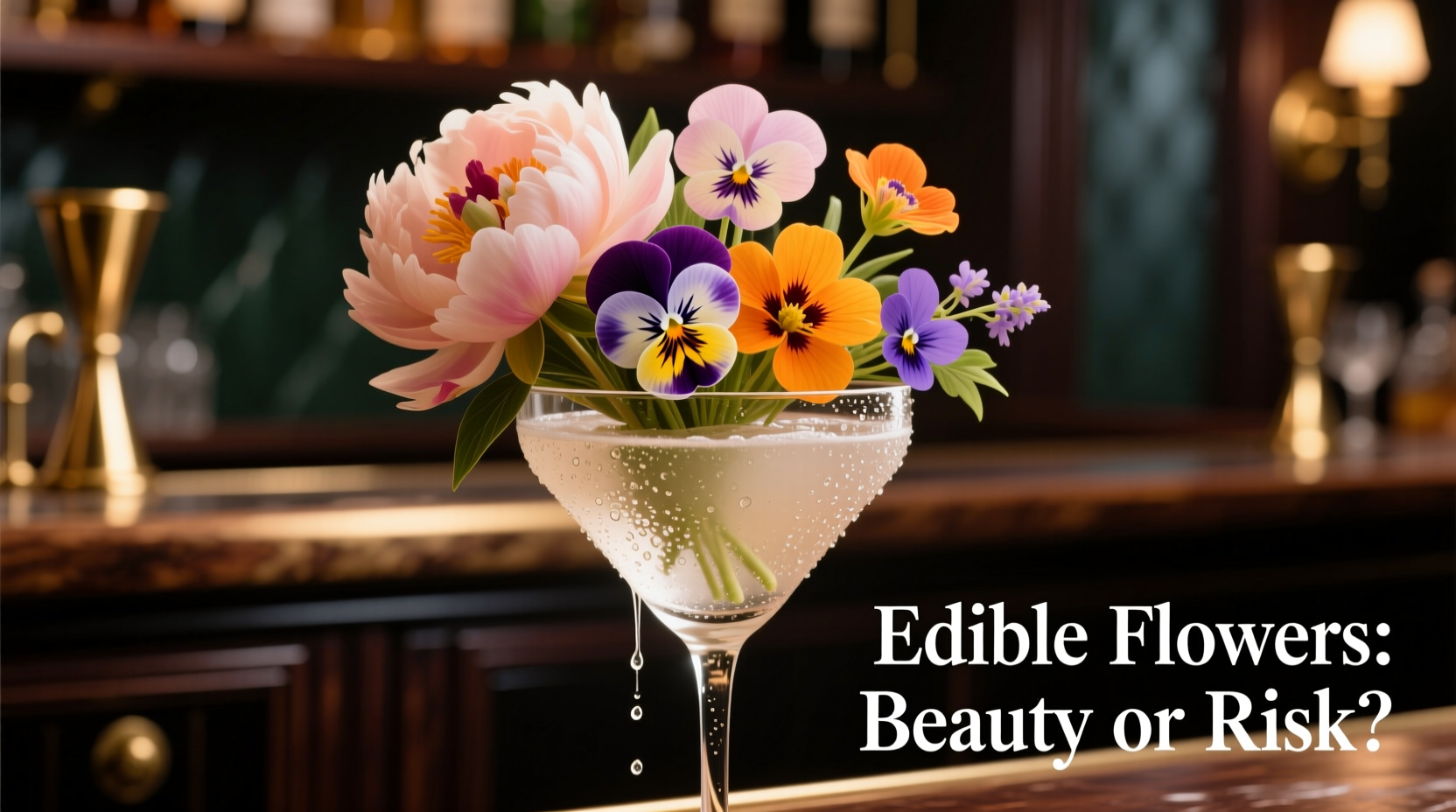
Flowers contribute more than visual punctuation. Many possess distinct aromatic compounds that interact synergistically with spirits and modifiers. Lavender imparts linalool and coumarin—floral, slightly sweet, and subtly herbal—making it ideal for amaro-forward drinks or dry gin applications. Rose petals offer geraniol and citronellol, lending a jammy, citrus-tinged lift to sparkling rosé cocktails. Elderflower, though technically a blossom rather than a petal garnish, contributes complex esters that enhance effervescence and round out acidity. Even subtle additions like chamomile blossoms add gentle apple-like notes and mild bitterness that balance rich syrups.
But flavor intensity varies wildly—not just by species, but by growing conditions, harvest time, and preparation method. A flower picked at peak bloom on a cool morning will express more volatile oils than one harvested midday under heat stress. And crucially, flavor doesn’t guarantee safety. Many intensely fragrant flowers—jasmine, gardenia, hyacinth—are not edible, despite their sensory appeal. Their inclusion in cocktails is not a stylistic choice; it’s a hazard.
Tip: Never assume fragrance equals edibility. Always verify botanical identity using Latin names—and cross-reference with two independent, authoritative sources (e.g., USDA PLANTS Database + Rodale’s Encyclopedia of Edible Flowers) before purchasing or foraging.The Hidden Allergen Landscape: Pollen, Proteins, and Cross-Reactivity
Allergic reactions to edible flowers fall into two primary categories: IgE-mediated (immediate, potentially severe) and oral allergy syndrome (OAS), a milder but far more common reaction linked to pollen-food cross-reactivity. OAS occurs when the immune system mistakes proteins in certain raw fruits, vegetables, or flowers for structurally similar airborne pollens—birch, ragweed, or mugwort being the most frequent triggers.
For example, individuals with birch pollen allergy may react to apple, carrot, celery—and also to roses and lavender, which share homologous profilin and PR-10 proteins. Those with ragweed sensitivity often experience itching or swelling after consuming chamomile, echinacea, or marigold (calendula). The reaction is typically localized—itching or tingling lips, mouth, or throat—and rarely systemic—but it’s uncomfortable, alarming, and entirely preventable with informed selection and clear communication.
More serious risks arise from misidentification. Foxglove (Digitalis purpurea) resembles snapdragon and can be mistaken for foxglove’s non-toxic cousin, the cultivated snapdragon (Antirrhinum majus). But Digitalis contains cardiac glycosides that disrupt heart rhythm—even minute amounts can be life-threatening. Similarly, lily-of-the-valley (Convallaria majalis) looks deceptively similar to some edible lilies, yet every part of the plant is highly toxic.
“Botanical misidentification remains the single greatest cause of adverse events linked to edible flowers in food service. One wrong label—on a bulk bag from an unvetted supplier—can compromise an entire service. Verification isn’t optional; it’s your first line of defense.” — Dr. Lena Torres, Clinical Toxicologist & Food Safety Advisor, National Center for Foodborne Illness Prevention
Safe & Stunning: A Curated Guide to Top Cocktail-Ready Flowers
Not all edible flowers belong in drinks. For cocktails, ideal candidates must meet four criteria: low allergenic potential, clean flavor profile, structural integrity when chilled or floated, and reliable commercial availability with verified food-grade cultivation. Below is a vetted list of varieties meeting those standards—with caveats.
| Flower | Flavor Profile | Allergen Notes | Cocktail Use Tips |
|---|---|---|---|
| Violets (Viola odorata) | Sweet, perfumed, slightly green | Low risk; rare reports of contact dermatitis in sensitive individuals | Float whole small blooms; freeze in ice cubes; avoid prolonged soaking (loses color) |
| Pansies (Viola tricolor) | Mild, fresh, slightly grassy | Very low risk; widely tolerated; avoid if known Viola allergy | Use as full-flower garnish; petals hold up well in stirred drinks |
| Borage (Borago officinalis) | Cucumber-like, cool, crisp | Low allergenicity; avoid in pregnancy (contains trace pyrrolizidine alkaloids) | Ideal for gin-based drinks; best used fresh within 2 hours of harvest |
| Nasturtium (Tropaeolum majus) | Peppery, radish-like, bright | Low risk; high vitamin C; avoid if sensitive to mustard family (Brassicaceae) | Whole flowers or petals; stems add texture; pairs exceptionally with tequila and mezcal |
| Calendula (Calendula officinalis) | Peppery, saffron-like, slightly bitter | Caution: Cross-reacts with ragweed/aster family; avoid if allergic to chrysanthemums or Echinacea | Use sparingly—petals only; infuse in oils or syrups rather than raw garnish |
A Step-by-Step Protocol for Responsible Floral Garnishing
Introducing edible flowers into your cocktail program demands procedural rigor—not improvisation. Follow this sequence to ensure guest safety, regulatory compliance, and consistent quality.
- Source Verification: Purchase only from suppliers who provide full botanical identification (Latin name), cultivation method (organic/non-GMO preferred), pesticide residue testing documentation, and food-grade certification. Avoid florist shops, nurseries, or roadside stands—even if labeled “organic.”
- Receipt & Inspection: Upon delivery, inspect each batch for signs of wilting, discoloration, mold, or insect presence. Reject any package lacking clear labeling with species name and harvest date.
- Rinse & Dry: Gently rinse under cool, running potable water using a fine-mesh strainer. Do not soak. Pat dry thoroughly with food-grade paper towels—excess moisture dilutes drink integrity and accelerates spoilage.
- Storage: Place in a single layer on a dry, parchment-lined tray. Cover loosely with a clean, damp (not wet) cloth. Refrigerate at 34–38°F (1–3°C) for no longer than 24 hours. Discard unused flowers daily.
- Service & Disclosure: Train staff to verbally disclose floral garnishes upon order (“This includes fresh borage blossoms”) and include them on allergen menus. Maintain a printed allergen matrix accessible to all servers.
Real-World Impact: A Bar Manager’s Experience in Portland
In spring 2023, Maya Chen, beverage director at Verdant Bar in Portland, Oregon, launched a seasonal “Botanical Bloom” menu featuring six flower-forward cocktails—including a violet-infused martini and a nasturtium-floated paloma. Within three weeks, two guests reported mild oral itching after consuming the violet martini. Neither required medical attention, but both had undisclosed birch pollen allergies.
Maya responded immediately: she paused the violet cocktail, reviewed her supplier’s documentation (which listed V. odorata but omitted allergen advisories), and consulted an allergist. She discovered that while violets are low-risk overall, they do contain profilins known to cross-react with birch. She revised her approach: replacing violet with pansy (lower cross-reactivity), adding a clear allergen footnote to digital and printed menus (“Contains pansy—may affect those with birch pollen sensitivity”), and implementing mandatory server training on floral allergen disclosure. Guest feedback shifted from concern to appreciation—particularly from customers managing seasonal allergies who now felt seen and safeguarded.
FAQ: Addressing Common Concerns Head-On
Can I forage my own edible flowers for cocktails?
No—unless you are a certified botanist with documented expertise in local flora, soil contamination history, and pesticide drift patterns. Urban foraging carries high risk: roadside flowers absorb heavy metals and hydrocarbons; parks may be treated with herbicides; and residential gardens often use systemic neonicotinoids that persist in nectar and pollen. Commercially grown, food-grade flowers are the only responsible choice for service.
Are dried edible flowers safer than fresh ones?
Not inherently. Drying concentrates certain compounds and may degrade others unpredictably. Some dried flowers (e.g., chamomile, lavender) are widely used in teas—but their concentrated forms can trigger stronger reactions in sensitive individuals. If using dried flowers, source from reputable tea or culinary suppliers—not craft stores or aromatherapy vendors—and introduce them in micro-doses (e.g., 1/8 tsp per 10 oz syrup), never as a visible garnish.
Do organic flowers eliminate allergen risk?
No. Organic certification relates to cultivation methods—not protein structure or immunogenicity. An organic rose carries the same cross-reactive proteins as a conventionally grown one. Allergen risk is botanical, not agricultural.
Conclusion: Beauty With Boundaries
Edible flowers elevate cocktails beyond taste—they invite curiosity, deepen narrative, and honor the seasonality that defines modern mixology. But their power lies not in their delicacy alone, but in the discipline with which we wield them. Choosing the right flower means understanding its biochemistry, not just its bloom. Sourcing responsibly means demanding transparency, not trusting a pretty label. Serving thoughtfully means speaking openly about potential sensitivities—not hiding behind “natural” or “artisanal” as euphemisms for unexamined risk.
This isn’t about removing beauty from the bar—it’s about anchoring it in knowledge, ethics, and care. Every guest who trusts you with their palate deserves that standard. Start today: audit your current floral suppliers, cross-check Latin names against authoritative databases, train your team on allergen disclosure, and choose one flower from the vetted list above to feature with full transparency. Then watch—not just how your drinks look, but how confidently your guests sip.
💬 Your bar’s next floral garnish should tell a story of safety, season, and respect. Share your responsible floral protocol—or ask a question—in the comments below. Let’s raise the standard—together.








