For players who demand performance without breaking the bank, finding the right balance between durability and affordability is essential. The type of surface you play on—whether indoor hardwood, gritty asphalt, or a mix of both—directly impacts how quickly your shoes wear down. A shoe that lasts months on a polished gym floor might fray in weeks on concrete. Choosing wisely means understanding materials, traction patterns, cushioning systems, and brand-specific engineering that extend lifespan while keeping costs accessible.
Budget-friendly doesn’t have to mean low quality. Several brands now offer high-wear basketball shoes under $100 that stand up to intense use across different environments. With smart selection and proper maintenance, players at all levels can stay protected, agile, and supported—without replacing shoes every few weeks.
Understanding Court Surfaces and Their Impact on Shoe Durability
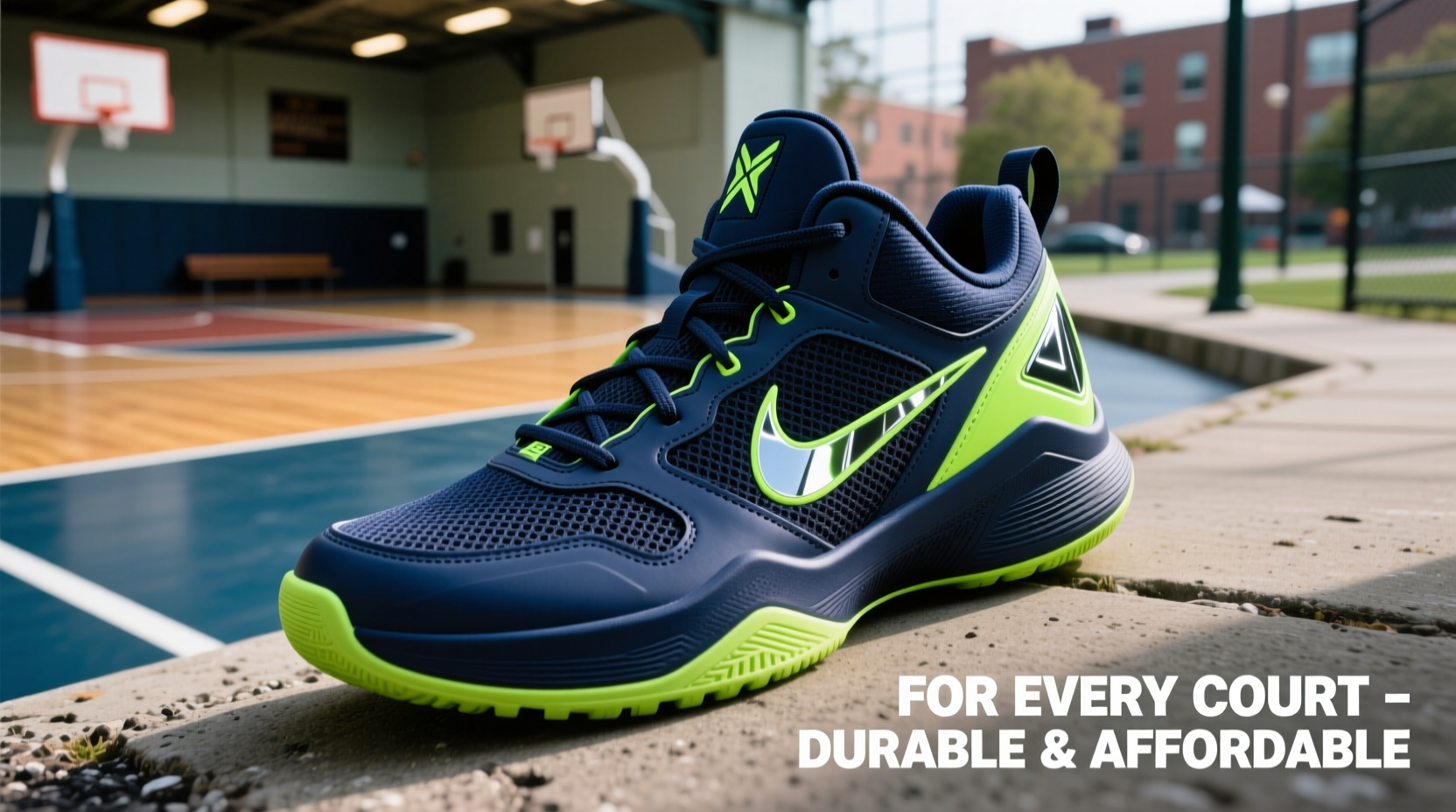
The longevity of a basketball shoe depends heavily on where it’s used. Each playing surface exerts unique stress on materials:
- Indoor courts (hardwood or synthetic): Smooth surfaces cause less abrasion but require precise grip and lateral stability. Rubber outsoles last longer here, though sticky compounds may pick up dust and degrade faster if not cleaned.
- Outdoor courts (asphalt/concrete): Rough textures grind down rubber rapidly. Shoes need thick, hardened outsoles and reinforced uppers to resist tearing from debris and sharp edges.
- Hybrid play (both indoor and outdoor): This is the toughest scenario for footwear. Frequent transitions expose shoes to moisture, temperature shifts, and inconsistent traction demands, accelerating wear.
Manufacturers design certain models with multi-surface resilience in mind. Look for terms like “dual-tread,” “carbon rubber,” or “TPU overlays” in product descriptions—they signal enhanced durability features.
Top Affordable Models Built for Longevity by Court Type
Below is a curated list of current models known for combining cost-efficiency with long-term reliability across different environments.
| Model | Price Range | Best For | Durability Features | Cushioning System |
|---|---|---|---|---|
| Adidas Dame Certified | $70–$90 | Indoor & Hybrid | Continental rubber outsole, mesh upper with support webbing | Bounce midsole |
| Nike Precision 6 | $75–$85 | Indoor | Durable XDR rubber, padded collar, breathable upper | Phylon foam |
| Li-Ning Way of Wade Infinity 3 | $80–$95 | Hybrid | A+ high-abrasion rubber, TPU heel counter, anti-roll frame | Light Foam + Bounse+ |
| Under Armour Embiid Step Back | $85–$100 | Outdoor & Hybrid | Solid rubber outsole, synthetic leather upper, lockdown strap | HOVR + EVA |
| Puma TRC Speed V2 | $70–$80 | Outdoor | ProFoam midsole, hard-court rubber, fused upper construction | Puma ProFoam |
These models consistently receive praise in player reviews for maintaining structural integrity beyond 100 hours of play under regular conditions. The Adidas Dame Certified stands out for its exceptional grip on clean indoor courts, while the Puma TRC Speed series excels outdoors thanks to its aggressive tread and scratch-resistant upper.
Key Features That Extend Shoe Life
When evaluating affordability, consider total cost per wear—not just sticker price. A $120 shoe lasting six months offers better value than an $80 model needing replacement in eight weeks. Focus on these elements:
- Outsole Material: Carbonized rubber (often labeled “XDR” by Nike or “A+ Rubber” by Li-Ning) resists abrasion far better than standard gum or soft compounds.
- Traction Pattern: Multi-directional herringbone or concentric circles provide consistent grip and even wear distribution.
- Upper Reinforcement: Synthetic overlays, TPU frames, or fused mesh layers prevent rips and stretching over time.
- Midsole Density: Firmer foams like Phylon or EVA blends compress slower than ultra-soft gels, preserving responsiveness.
- Heel Counter & Ankle Support: Rigid heel cups reduce twisting stress, minimizing material fatigue around the ankle collar.
“Players underestimate how much their movement style affects shoe wear. Lateral cutters need torsional stability; jump shooters need vertical cushion retention.” — Marcus Tran, Footwear Biomechanics Analyst, SportTech Labs
Real-World Example: High School Team Rotation Strategy
A public high school basketball team in Phoenix implemented a shoe rotation system after repeatedly exceeding their equipment budget. Coaches noticed players were going through two pairs per season due to daily outdoor pickup games during lunch breaks.
The solution? Each player was assigned two pairs: one indoor-only (Nike Precision 6) kept in lockers, and one outdoor-focused (Puma TRC Speed V2). They also began cleaning soles weekly with mild soap and water to remove embedded grit.
Result: Average shoe lifespan increased from 6 weeks to nearly 16 weeks. Over a season, the program saved over $1,200 in replacements and reduced foot injuries linked to worn-out cushioning.
Maintenance Checklist for Maximizing Shoe Longevity
Even the most durable shoes fail prematurely without proper care. Follow this checklist monthly:
- ✅ Clean outsoles with a soft brush and warm water to remove dirt buildup
- ✅ Air-dry shoes naturally—never place near heaters or direct sunlight
- ✅ Alternate between multiple pairs to allow foam recovery and moisture evaporation
- ✅ Store in a cool, dry place away from humidity (avoid damp basements or car trunks)
- ✅ Replace laces regularly to maintain secure fit and reduce strain on eyelets
- ✅ Inspect for early signs of sole separation or upper tears; patch minor damage promptly
Frequently Asked Questions
Can I use indoor basketball shoes outside?
Occasional outdoor use won’t destroy indoor shoes immediately, but repeated exposure will drastically shorten their life. Sticky rubber wears down fast on rough surfaces, and lightweight uppers are prone to scuffing. If you must go outside, limit playtime and inspect the sole afterward.
Do more expensive shoes always last longer?
Not necessarily. Premium models often prioritize responsiveness and weight reduction over durability. Some high-end signature shoes use soft, grippy rubbers that wear quickly on asphalt. Mid-tier performance models frequently offer better long-term value for recreational or streetball players.
How do I know when it’s time to replace my basketball shoes?
Look for visible creasing in the midsole foam, especially along the ball of the foot. Loss of bounce, uneven sole wear, or upper delamination are clear indicators. Most performance shoes lose 50% of cushioning effectiveness after 300–500 miles of impact—that’s roughly 6–9 months of moderate play.
Final Thoughts: Smart Investment, Better Performance
Durable and affordable basketball shoes aren’t mythical—they exist, but they require informed choices. Matching your shoe to your primary court surface, prioritizing key construction features, and practicing routine maintenance dramatically extends usable life. Whether you're grinding on asphalt at dawn or competing on polished floors, there’s a reliable, budget-conscious option ready to perform.
Don’t settle for disposable footwear. Invest in gear that supports your game physically and financially. Rotate your pairs, clean them diligently, and choose models engineered for endurance. Your feet—and your wallet—will thank you over the long season ahead.
🚀 Ready to upgrade your rotation? Share your favorite durable budget shoe in the comments and help fellow players find their next long-lasting pair.








