Hiking with your dog means planning for more than just snacks and sunscreen—you need to keep your pup hydrated. But when it comes to portable water solutions, pet owners face a real dilemma: should they bring a dedicated dog water cup or a collapsible bowl? Both are marketed as lightweight, trail-friendly options, but their performance in the wild varies significantly. The choice isn’t just about convenience—it affects your dog’s comfort, your pack space, and even safety on long trails.
This guide breaks down the practical differences between dog water cups and collapsible bowls, using real-world testing, expert insights, and user experiences to determine which option truly wins on the trail.
How Dog Water Cups Work
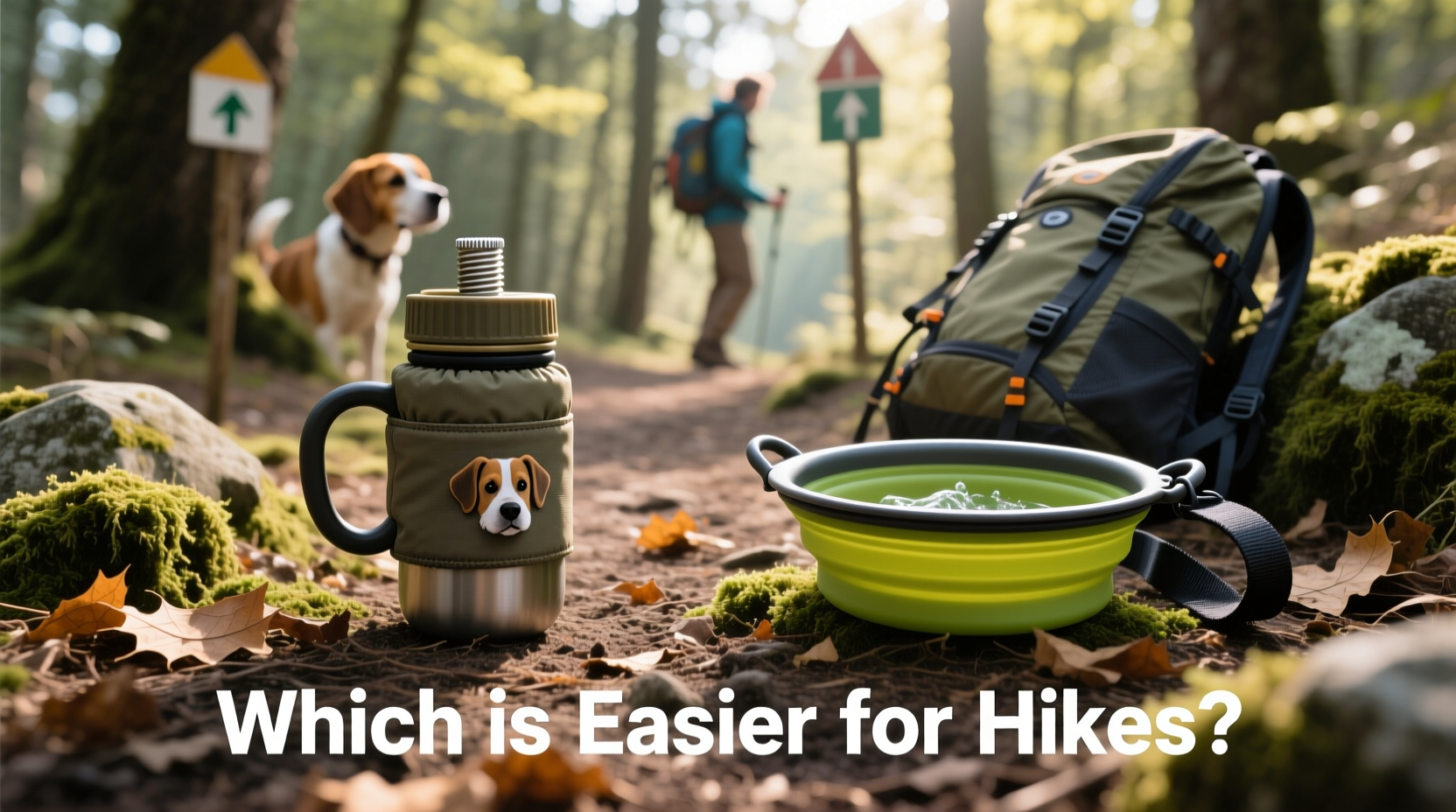
Dog water cups are typically rigid or semi-rigid containers with a built-in drinking chamber and often a flip-top or push-spout design. Most function like a travel mug: you fill the main reservoir, then press or slide a mechanism to release water into a small drinking well where your dog can lap it up.
These cups are praised for being compact and spill-resistant. Many models include carabiners for clipping to backpacks and feature measurement markings so you can monitor how much your dog drinks. They’re especially popular among runners and hikers covering shorter distances where minimalism is key.
Tip: Always pre-test the spout mechanism at home—some dogs hesitate at unfamiliar water flow patterns.The Mechanics of Collapsible Bowls
Collapsible bowls, on the other hand, are made from flexible silicone or fabric-reinforced materials that fold flat when not in use. When opened, they form a shallow, stable basin that mimics a regular pet bowl. You pour water directly into the bowl from a bottle or hydration bladder.
Because they offer an open drinking surface, most dogs adapt to them instantly. Their wide base reduces tipping, and many models come with foldable sidewalls that add depth for larger breeds. After use, simply wipe or shake out excess water, collapse the sides, and stow it in a pocket or side pouch.
While slightly bulkier than water cups when packed, collapsible bowls provide a more natural drinking experience—especially important during high-exertion hikes when rapid rehydration matters.
Head-to-Head Comparison: Key Factors
| Feature | Dog Water Cup | Collapsible Bowl |
|---|---|---|
| Pack Size (collapsed) | 3–5 inches tall, pencil-like | 3–4 inches diameter, disc-shaped |
| Weight | 2–4 oz | 1.5–3 oz |
| Dog Acceptance | Mixed—depends on spout design | High—familiar open bowl |
| Refill Speed | Moderate (requires alignment) | Fast (direct pour) |
| Cleaning Ease | Harder (nooks around spout) | Easier (smooth interior) |
| Durability | Lower (plastic parts prone to cracking) | Higher (silicone resists wear) |
| Ideal For | Short trails, urban walks, fast hikes | Long hikes, hot weather, large dogs |
Real Trail Test: A Weekend Hike in the Sierra
On a two-day trek through Desolation Wilderness, a team of three hikers tested both systems under identical conditions. Each carried a 20-pound pack, temperatures ranged from 68°F to 85°F, and their dogs—a Border Collie, a Labrador, and a mixed terrier—averaged 3–4 miles per hour over rocky terrain.
The group used a popular insulated dog water cup with a push-up spout and a 7-inch silicone collapsible bowl with reinforced edges. At rest stops, timing was recorded for setup, refilling, drinking duration, and cleanup.
Results showed that while the water cup saved about 0.5 pounds in total pack weight over the weekend, the collapsible bowl reduced refill time by 40% and encouraged longer drinking sessions. The Lab, in particular, bypassed the cup twice, seemingly confused by the spout, but eagerly drank from the bowl every time.
“Dogs rely heavily on visual and tactile cues when drinking. An open bowl signals ‘water here’ more clearly than a mechanical spout.” — Dr. Lena Torres, Veterinary Behaviorist, UC Davis School of Veterinary Medicine
When a Dog Water Cup Makes Sense
Despite limitations, dog water cups have a place in specific scenarios. If you're trail running with a small dog, moving quickly between water sources, or hiking in crowded areas where speed and minimal setup matter, a cup can be ideal.
They also excel in urban environments or dog parks where you might not want to place a bowl on dirty ground. Some advanced models now include gravity-fed spouts or magnetic lids that improve flow and reduce leakage.
However, success depends on training. Dogs accustomed to drinking from bottles or spouts during short outings may transition smoothly. Those who prefer lapping from still water may resist.
Why Collapsible Bowls Win for Serious Hiking
For extended hikes, especially in heat or at elevation, hydration efficiency is critical. A collapsible bowl supports faster, more complete drinking episodes. There’s no learning curve—your dog sees water and starts lapping.
Additionally, collapsible bowls double as food dishes, emergency scoops, or even makeshift wash basins for muddy paws. Their versatility adds functional value beyond hydration alone.
Modern designs are impressively compact. High-end versions like those made with medical-grade silicone fold to less than an inch thick and resist odors and staining. Some even include integrated measuring lines or snap-lock clasps to prevent accidental unfolding.
Tip: Choose a bowl with textured bottom grip—prevents slipping on smooth rocks or trail debris.Step-by-Step: How to Hydrate Your Dog on the Trail
- Assess needs: Large or active dogs need water every 30–60 minutes in warm weather.
- Pack enough water: Carry at least 8–16 oz per hour of hiking, depending on size and climate.
- Choose your tool: Use a collapsible bowl for reliability, or a cup if speed and weight are top priorities.
- Set up early: Pour or dispense water before your dog shows signs of thirst to avoid frantic drinking.
- Monitor intake: Watch for gulping or refusal—both can signal discomfort or fatigue.
- Clean after use: Rinse the bowl or cup if possible; air-dry before repacking to prevent bacteria.
Checklist: Choosing the Right Trail Water Solution
- ✅ Does my dog drink easily from spouts or bottles?
- ✅ Will we hike in extreme heat or at high altitude?
- ✅ Am I carrying enough water to refill multiple times?
- ✅ Do I need multi-use functionality (e.g., food bowl)?
- ✅ Is pack space more critical than drinking ease?
- ✅ Is the product dishwasher-safe or easy to clean?
Frequently Asked Questions
Can I use a human hydration bladder for my dog?
Some owners train dogs to drink from bite valves, but this requires extensive practice and isn’t reliable in emergencies. It’s safer to carry a separate, dog-specific system.
How much water should my dog drink on a hike?
A general rule is 1 ounce of water per pound of body weight per day, but active dogs in heat may need double that. Offer small amounts frequently rather than large volumes at once.
Are metal collapsible bowls better than silicone?
Stainless steel bowls are durable but heavier and noisier. Silicone remains the best balance of weight, packability, and stability for most hikers.
Final Verdict: Function Over Form
In the end, the collapsible bowl proves more effective for most hiking scenarios. While dog water cups win on compactness, they sacrifice usability, especially with dogs unaccustomed to mechanical dispensers. The collapsible bowl offers immediate access, broader compatibility across breeds, and greater peace of mind when hydration is urgent.
If you prioritize speed and minimalism on short, frequent outings, a water cup may suffice. But for anything beyond a casual walk—especially full-day hikes, summer trails, or trips with larger dogs—the collapsible bowl is the smarter, more reliable investment.
🚀 Ready to upgrade your dog’s hiking gear? Try a high-quality silicone collapsible bowl on your next trail adventure and notice the difference in your dog’s comfort and hydration habits. Share your experience with fellow pet parents below!








