
Hiking with your dog can be one of the most rewarding outdoor experiences, especially when they’re too small, too young, or recovering from injury to walk long distances. For many pet owners, carrying their dog becomes necessary—especially on steep, rocky, or narrow trails. Two popular options are dog backpack carriers and sling-style carriers. While both allow hands-free mobility, they differ significantly in safety, comfort, and suitability for trail conditions. Understanding these differences is essential not just for your convenience, but for your dog’s physical well-being and emotional security during hikes.
How Dog Carriers Work on Trails
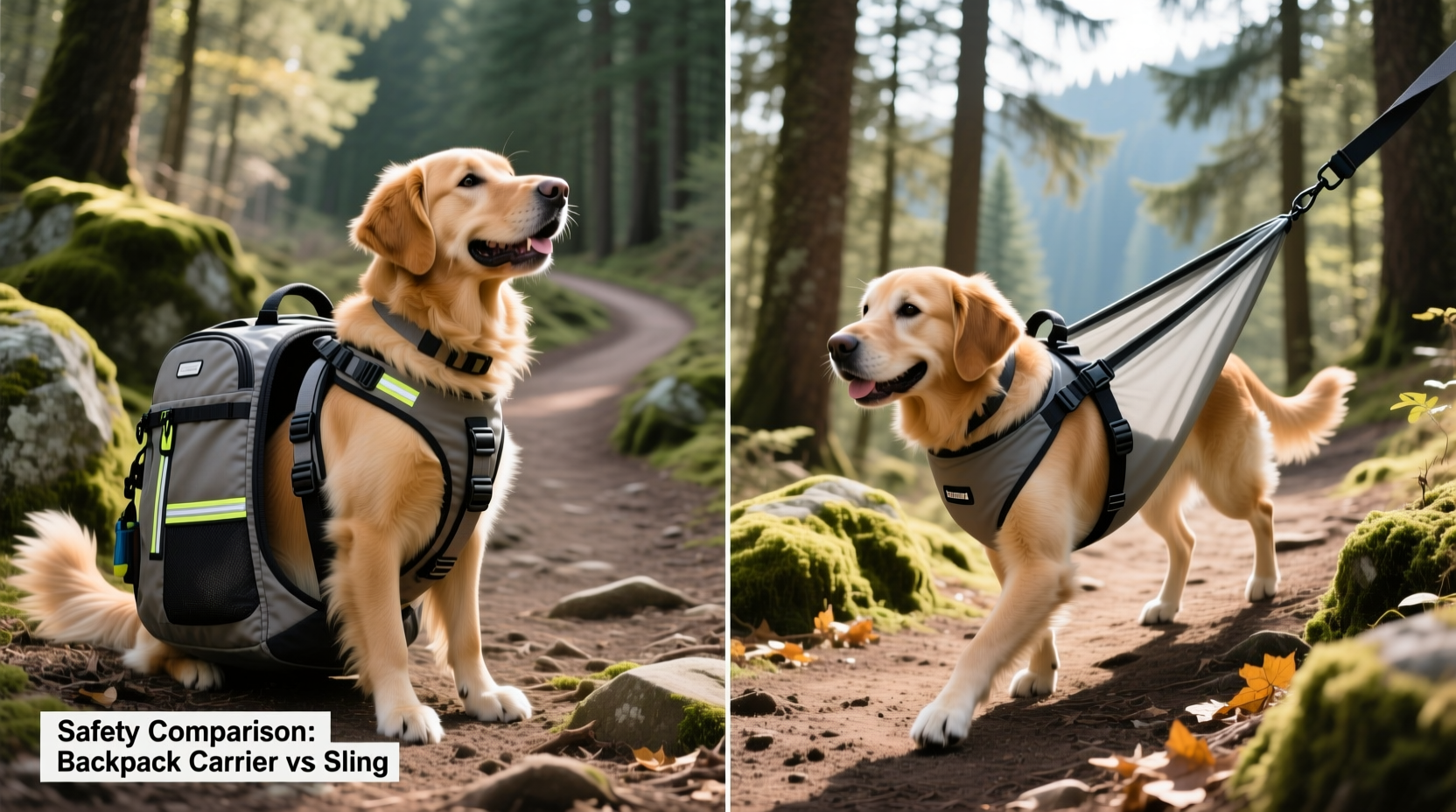
Dog carriers serve as portable support systems that let you transport your pet safely over challenging terrain. Unlike walking beside you, being carried removes strain from a dog’s joints and paws, particularly helpful for puppies, senior dogs, or breeds prone to hip dysplasia like Dachshunds or Cavaliers. However, the method of carrying greatly influences how secure and comfortable your dog feels.
Backpack carriers resemble human hiking backpacks but feature mesh panels and compartments designed to hold a small to medium-sized dog. They typically have two side pockets or one central compartment, often with padding, ventilation, and safety tethers inside. Sling carriers, on the other hand, are fabric wraps—usually worn across the chest—that cradle the dog against your torso. They offer less structure and rely heavily on body contact for support.
On flat pavement, a sling might suffice. But once the trail gets uneven, steep, or slippery, the limitations of slings become apparent. Stability, weight distribution, and protection from environmental hazards all favor backpack-style carriers in rugged outdoor settings.
Safety Comparison: Backpack vs Sling
The core question isn’t just about convenience—it’s about minimizing risk. A fall, sudden movement, or loss of balance could injure both you and your dog. Let’s break down the key safety factors:
- Stability: Backpacks distribute weight evenly across shoulders and hips using padded straps and waist belts. This reduces fatigue and improves balance on inclines. Slings concentrate weight on one shoulder or the front of your body, making it easier to lose equilibrium on rocky paths.
- Restraint: Quality backpacks include internal harness clips to tether your dog securely. This prevents them from wriggling out during motion. Slings rarely have such features, increasing escape risk if your dog panics.
- Ventilation: Mesh panels in backpacks promote airflow, reducing overheating. Slings, often made of thick fabric, can trap heat—dangerous in sunny or humid conditions.
- Fall Protection: In a backpack, your dog sits higher and is surrounded by structured walls. If you stumble, they’re less likely to hit the ground directly. In a sling, they hang lower and closer to rocks, roots, or water edges.
- Visibility: Dogs in backpacks can see forward through mesh windows, helping reduce anxiety. Slung dogs face inward or sideways, limiting their view and potentially increasing stress.
When Slings Pose Higher Risk
Slings may seem cozy, but they present real dangers on technical trails. Imagine navigating a narrow ridge with a 20-pound dog in a soft-sided sling. A single misstep could cause the dog to swing outward or drop if the fabric shifts. There's no structural frame to absorb impact or maintain position. Additionally, if your dog needs quick access to water or bathroom breaks, removing them from a sling requires stopping completely and repositioning—a process that leaves them unsecured.
In contrast, backpack carriers allow controlled access via zippers and flaps while keeping the dog partially supported. Many models even include external pockets for waste bags, treats, or collapsible bowls—practical advantages that enhance safety through preparedness.
Expert Insight: What Veterinarians Say
“Carrying a dog on trails should prioritize spinal alignment and thermal regulation. Backpack carriers provide better postural support than slings, especially for brachycephalic breeds like Pugs who are sensitive to heat and restricted airflow.” — Dr. Lena Reyes, DVM, Canine Sports Medicine Specialist
Dr. Reyes emphasizes that improper carrying methods can lead to musculoskeletal strain not only in dogs but also in owners. “We’ve seen cases where prolonged use of front-loaded slings caused lower back pain in humans and increased anxiety in pets due to poor visibility and instability,” she adds.
This aligns with research published in the *Journal of Veterinary Behavior*, which found that dogs carried in enclosed, ventilated spaces with visual access showed significantly lower cortisol levels (a stress hormone) compared to those held tightly against the chest without peripheral vision.
Real Trail Scenario: Choosing the Right Carrier
Consider Sarah, an avid hiker from Colorado, who regularly explores high-altitude trails with her 12-year-old Chihuahua mix, Luna. Last summer, she attempted a 5-mile loop with Luna in a cotton sling. The trail included loose gravel, stream crossings, and steep switchbacks. By mile three, Sarah was fatigued, her shoulder sore from uneven weight. Luna began whining, trying to climb out each time Sarah shifted. During a river crossing, a rock slipped underfoot, and Luna dangled precariously before Sarah caught her.
After consulting her vet, Sarah switched to a dual-compartment backpack carrier with a waist stabilizer and internal leash clip. On her next hike—a similar route—she reported feeling balanced, Luna remained calm throughout, and both completed the trail safely. “It wasn’t just more comfortable,” Sarah said. “I finally felt confident I could protect her if something went wrong.”
This example illustrates how equipment choice directly impacts safety outcomes—not just theoretically, but in real-world conditions where terrain, endurance, and emergency response matter.
Comparison Table: Backpack vs Sling for Hiking Safety
| Feature | Dog Backpack Carrier | Sling Carrier |
|---|---|---|
| Weight Distribution | Evenly across back and hips | Front-heavy, one-sided strain |
| Stability on Uneven Terrain | High – structured frame and waist belt | Low – prone to shifting/swaying |
| Dog Security | Internal tether + enclosed design | No tether; easy escape risk |
| Ventilation | Full mesh panels, airflow control | Limited; fabric traps heat |
| Emergency Access | Controlled opening with support | Must fully remove dog |
| Owner Posture & Endurance | Ergonomic, reduces fatigue | Poor alignment, causes strain |
| Suitability for Long Hikes | Recommended | Not advised beyond short distances |
Step-by-Step Guide: How to Safely Carry Your Dog on a Hike
If you plan to carry your dog on trails, follow this sequence to ensure maximum safety:
- Assess Your Dog’s Needs: Is your dog injured, elderly, or simply tired? Ensure carrying is appropriate and not masking a medical issue.
- Choose the Right Carrier: Opt for a backpack-style model with ventilation, a safety tether, and adjustable straps. Avoid slings for anything beyond urban walks.
- Practice at Home: Let your dog get used to the carrier indoors. Offer treats and praise to build positive association.
- Secure the Harness: Attach your dog’s harness to the internal clip in the backpack. Never rely solely on the carrier’s walls.
- Load Properly: Place your dog gently into the carrier, ensuring their legs are positioned naturally and head is above chest level.
- Adjust Straps: Tighten shoulder and waist straps so the pack sits snugly between your shoulder blades. It should not bounce or shift.
- Monitor Frequently: Stop every 15–20 minutes to check hydration, breathing, and comfort. Look for signs of overheating or anxiety.
- Plan Breaks: Allow your dog to stretch and relieve themselves regularly. Use safe, flat areas away from trail traffic.
Checklist: Must-Have Features in a Safe Hiking Dog Carrier
- ✅ Dual mesh ventilation panels (front and sides)
- ✅ Internal safety tether or D-ring
- ✅ Padded shoulder and waist straps
- ✅ Sturdy, abrasion-resistant material (e.g., polyester or nylon)
- ✅ Reflective trim for low-light visibility
- ✅ External storage for water, treats, and waste bags
- ✅ Weight limit matching your dog’s size
- ✅ Easy-access zippers with secure closures
Common Misconceptions About Dog Carriers
Many pet owners assume that because a sling feels “cozy,” it must be safer or more comforting. However, comfort isn’t just about warmth—it’s about security, stability, and freedom from stress. A dog pressed tightly against your chest may feel confined and disoriented, unable to see surroundings or adjust posture. This can trigger panic, especially in loud or crowded trail environments.
Another myth is that lightweight carriers are always better. While portability matters, sacrificing structure for lightness compromises safety. A slightly heavier backpack with proper support is far superior to a flimsy sling that strains your back and endangers your dog.
FAQ: Common Questions About Dog Carriers for Hiking
Can I use a baby carrier for my dog on hikes?
Most baby carriers lack the ventilation, safety tethers, and durability needed for dogs. Canines generate more body heat and may scratch or chew fabric under stress. Purpose-built dog backpacks are strongly recommended for trail use.
What size dog can be carried safely?
Most carriers support dogs up to 25–30 pounds. Beyond that, carrying becomes unsafe for both dog and owner. Larger breeds should hike independently or use dog strollers on accessible trails.
Is it okay to carry a dog uphill but let them walk downhill?
Yes—this hybrid approach works well. Carrying uphill conserves energy and protects joints. Allowing controlled walking downhill builds strength. Just ensure your dog is capable and the terrain allows safe passage.
Conclusion: Prioritize Safety Over Convenience
While sling carriers may appear convenient and intimate, they fall short in critical safety aspects when used on hiking trails. Backpack carriers offer superior stability, ventilation, and protection—making them the clear choice for responsible pet owners venturing into the wilderness. Your dog depends on you not just for transportation, but for their overall safety and well-being in unpredictable outdoor environments.
Choosing the right carrier isn’t about preference—it’s about responsibility. Whether you're tackling mountain paths or forest trails, equip yourself with gear that supports both your endurance and your dog’s security. Make the switch today, practice proper usage, and enjoy the trail with confidence knowing your furry companion is safe, calm, and close.
💬 Have experience with dog carriers on hikes? Share your story or tips in the comments to help fellow pet parents make safer choices.








