Intermittent fasting has surged in popularity not just as a weight-loss strategy but as a lifestyle choice believed to sharpen mental clarity and sustain energy throughout the day. Yet for every person who claims laser-like focus during fasting windows, another reports mid-afternoon brain fog and fatigue. So what’s behind these conflicting experiences? Is intermittent fasting truly beneficial for cognitive performance, or does it set the stage for energy crashes that undermine productivity?
The answer isn’t binary. It depends on individual physiology, fasting protocols, dietary habits during eating windows, and metabolic adaptation. This article explores the science of how intermittent fasting affects brain function, examines why some people experience enhanced focus while others hit energy walls, and offers practical strategies to optimize mental performance while fasting.
The Science of Fasting and Brain Function
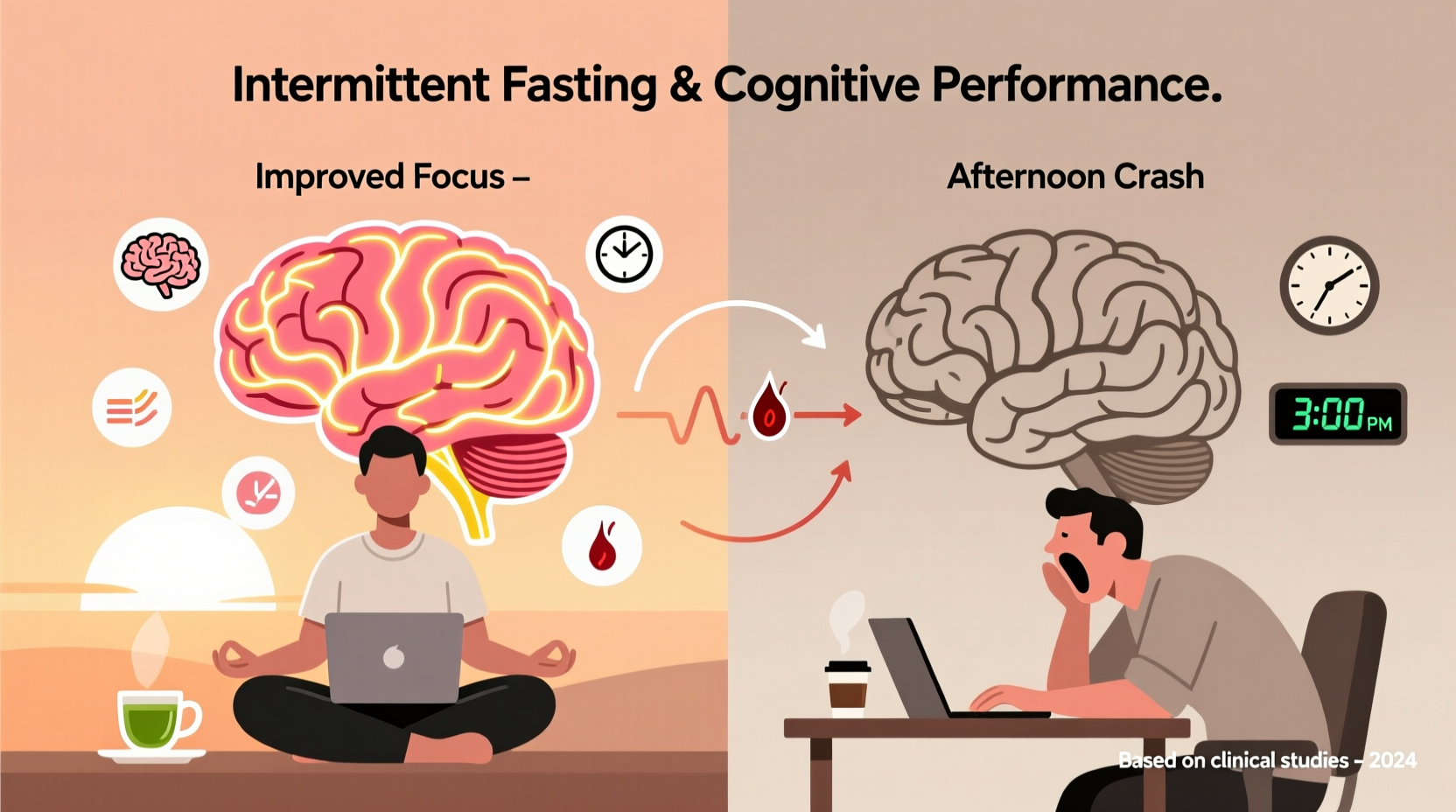
When you fast, your body undergoes several metabolic shifts that directly influence brain activity. After about 8–12 hours without food, insulin levels drop, and the liver begins converting stored glycogen into glucose to maintain blood sugar. Once glycogen is depleted—typically after 12–16 hours—your body starts breaking down fat into fatty acids and ketones.
Ketones, particularly beta-hydroxybutyrate (BHB), serve as an alternative fuel source for the brain. Unlike glucose, which requires insulin to enter cells, ketones cross the blood-brain barrier efficiently and may enhance mitochondrial function in neurons. Research suggests this shift can improve neural efficiency and reduce oxidative stress, potentially leading to sharper focus and sustained attention.
“Ketones are not just a backup fuel—they appear to have neuroprotective properties and may enhance synaptic plasticity.” — Dr. Andrew Ewald, Neuroendocrinology Researcher, Johns Hopkins University
A 2020 study published in Frontiers in Neuroscience found that participants following a 16:8 fasting protocol (16 hours fasted, 8-hour eating window) reported improved concentration and reduced mental fatigue after two weeks of consistent practice. However, these benefits emerged only after an initial adaptation period marked by irritability and low energy.
Why Some People Gain Focus While Others Crash
The disparity in cognitive outcomes during intermittent fasting often comes down to three key factors: metabolic flexibility, meal composition, and circadian alignment.
- Metabolic Flexibility: Individuals who regularly consume high-carbohydrate diets may struggle when glucose becomes scarce. Their bodies aren’t efficient at switching to fat-burning mode, leading to energy dips and brain fog.
- Diet Quality During Eating Windows: Binging on refined carbs and sugar during feeding periods causes insulin spikes and subsequent crashes, worsening afternoon fatigue—even if fasting was done correctly.
- Circadian Rhythm Misalignment: Fasting late into the morning or eating late at night disrupts natural cortisol and melatonin rhythms, impairing alertness and sleep quality, both of which affect daytime cognition.
Real-World Example: Sarah’s Experience with 18:6 Fasting
Sarah, a 34-year-old software developer, adopted an 18:6 fasting schedule (fasting from 7 PM to 1 PM the next day) to improve her focus during coding sessions. Initially, she struggled with headaches and afternoon exhaustion. By week three, however, she noticed a significant improvement in concentration, especially between 2 PM and 5 PM—the time she used to rely on coffee and snacks.
What changed? She adjusted her eating window to include more healthy fats (avocado, olive oil, nuts) and protein, avoided sugary foods, and began drinking electrolyte water during her fast. Her energy stabilized, and mental clarity increased. “It’s like my brain stopped running on fumes,” she said.
Common Fasting Protocols and Their Cognitive Impact
Not all fasting methods affect the brain the same way. The timing, duration, and frequency of fasting influence whether you gain mental edge or face burnout.
| Fasting Method | Typical Schedule | Potential Cognitive Benefits | Risks of Afternoon Crashes |
|---|---|---|---|
| 12:12 | 7 PM – 7 AM fast | Mild ketosis; stable blood sugar | Low risk if meals are balanced |
| 16:8 | 8 PM – 12 PM fast | Enhanced focus after adaptation | Moderate if breaking fast with carbs |
| 18:6 | 6 PM – 12 PM fast | Strong ketone production; mental clarity | Higher early on; drops with adaptation |
| OMAD (One Meal a Day) | Single meal within 1-hour window | Potential for deep focus post-meal digestion | High risk of crashes due to nutrient imbalance |
| Alternate-Day Fasting | Fasting every other day | Improved long-term brain resilience | Very high on fast days without proper prep |
The table illustrates a trend: longer fasts offer greater potential for cognitive enhancement but come with higher risks of energy crashes—especially during the transition phase. OMAD and alternate-day fasting, while effective for some, require meticulous planning to avoid nutrient deficiencies and hypoglycemia, both of which impair mental performance.
How to Prevent Afternoon Crashes While Fasting
If you’re experiencing mental fatigue during your fast, it doesn’t mean fasting isn’t for you—it may just need refinement. Here’s a step-by-step approach to maintaining steady energy and focus:
- Hydrate with Electrolytes: Sodium, potassium, and magnesium are crucial for nerve function and fluid balance. Plain water alone can dilute electrolytes, leading to fatigue. Add a pinch of sea salt to water or use a sugar-free electrolyte supplement.
- Optimize Your First Meal: Breaking your fast with a high-sugar meal triggers insulin spikes and crashes. Prioritize protein, healthy fats, and fiber-rich vegetables to stabilize blood sugar.
- Time Your Fast According to Circadian Rhythms: Align your eating window with daylight hours. For example, eat between 10 AM and 6 PM. This supports natural cortisol peaks in the morning and melatonin release at night.
- Limit Stimulants: Over-reliance on coffee during fasting can worsen adrenal fatigue and disrupt sleep, amplifying afternoon slumps. Use caffeine strategically, not habitually.
- Monitor Sleep and Stress: Poor sleep or chronic stress elevates cortisol, making it harder to maintain energy during a fast. Aim for 7–8 hours of quality sleep and incorporate mindfulness practices.
Nutrient Checklist for Sustained Mental Energy
To support brain health while fasting, ensure your diet includes these essential nutrients:
- ✅ Omega-3 fatty acids (found in fatty fish, flaxseeds, walnuts) – support neuron structure
- ✅ Magnesium (leafy greens, pumpkin seeds, dark chocolate) – regulates neurotransmitters
- ✅ B vitamins (eggs, legumes, whole grains) – critical for energy metabolism
- ✅ Choline (eggs, liver, soy) – precursor to acetylcholine, a memory-enhancing neurotransmitter
- ✅ Antioxidants (berries, green tea, turmeric) – protect against oxidative brain damage
When Fasting May Harm Focus: Red Flags to Watch For
While many benefit cognitively from intermittent fasting, it’s not universally safe or effective. Certain individuals may experience worsened focus due to physiological or psychological factors.
Those with a history of disordered eating, hypoglycemia, adrenal fatigue, or thyroid dysfunction should approach fasting cautiously. Pregnant or breastfeeding women, adolescents, and underweight individuals are generally advised to avoid extended fasting.
Warning signs that fasting is negatively affecting your brain function include:
- Chronic brain fog lasting beyond the first week
- Increased anxiety or irritability
- Dizziness or shakiness during the day
- Difficulty concentrating at work or school
- Disrupted sleep patterns
If these symptoms persist despite proper hydration and nutrition, consider shortening your fasting window or discontinuing the practice altogether. Sustainable health is more important than adhering to a trend.
Frequently Asked Questions
Can intermittent fasting improve memory and learning?
Emerging research suggests yes—particularly in animal studies, where fasting has been linked to increased production of brain-derived neurotrophic factor (BDNF), a protein that supports neuron growth and synaptic plasticity. In humans, improvements in working memory and executive function have been observed after several weeks of consistent fasting, especially when combined with good sleep and exercise.
Why do I feel great in the morning but crash by 3 PM while fasting?
This is often due to a combination of declining ketone levels, inadequate electrolyte intake, or poor meal choices when breaking the fast. It can also reflect circadian misalignment. Try shifting your eating window earlier, adding electrolytes, and avoiding processed carbohydrates at lunchtime.
Is coffee allowed during a fast, and does it help focus?
Black coffee is generally accepted during fasting windows and may enhance focus due to caffeine’s stimulant effect and its ability to mildly boost ketone production. However, excessive intake can lead to jitteriness, disrupted sleep, and eventual energy crashes. Limit to 1–2 cups and avoid adding sugar or creamers that break the fast.
Conclusion: Finding Your Cognitive Sweet Spot
Intermittent fasting can indeed enhance focus—but not automatically, and not for everyone. Its impact on mental performance hinges on how well your body adapts to using fat for fuel, the quality of food you eat during feeding windows, and your overall lifestyle habits. For some, fasting unlocks a state of calm, sustained concentration. For others, it triggers energy crashes that undermine daily functioning.
The key is personalization. Start slow, prioritize nutrient-dense meals, stay hydrated with electrolytes, and listen to your body. Track your energy and focus levels over two to three weeks to identify patterns. Adjust your fasting window, food choices, and sleep routine until you find the rhythm that supports both mental clarity and physical well-being.
🚀 Ready to optimize your mind and energy? Experiment with a 12- to 14-hour overnight fast this week, track your focus, and see how your body responds. Share your experience in the comments below—your journey could inspire someone else to find their ideal balance.








