
For anyone who spends time outdoors in cold climates, maintaining hand warmth is essential—not just for comfort, but for performance and safety. Heated gloves have gained popularity in recent years as a high-tech solution to cold hands, especially among winter sports enthusiasts. But a common question remains: are these gloves truly effective on the ski slopes, or are they better suited for brief strolls through snowy neighborhoods?
The answer isn’t a simple yes or no. Heated gloves can be highly effective for skiing, provided they’re designed with the right features and used correctly. However, not all heated gloves are built for extreme conditions, and choosing the wrong pair could leave you with frozen fingers halfway down a black diamond run.
This article explores the real-world performance of heated gloves during skiing versus casual snow use, examines key technical factors that influence their effectiveness, and offers practical guidance for selecting the best option based on your needs.
How Heated Gloves Work: The Technology Behind Warmth
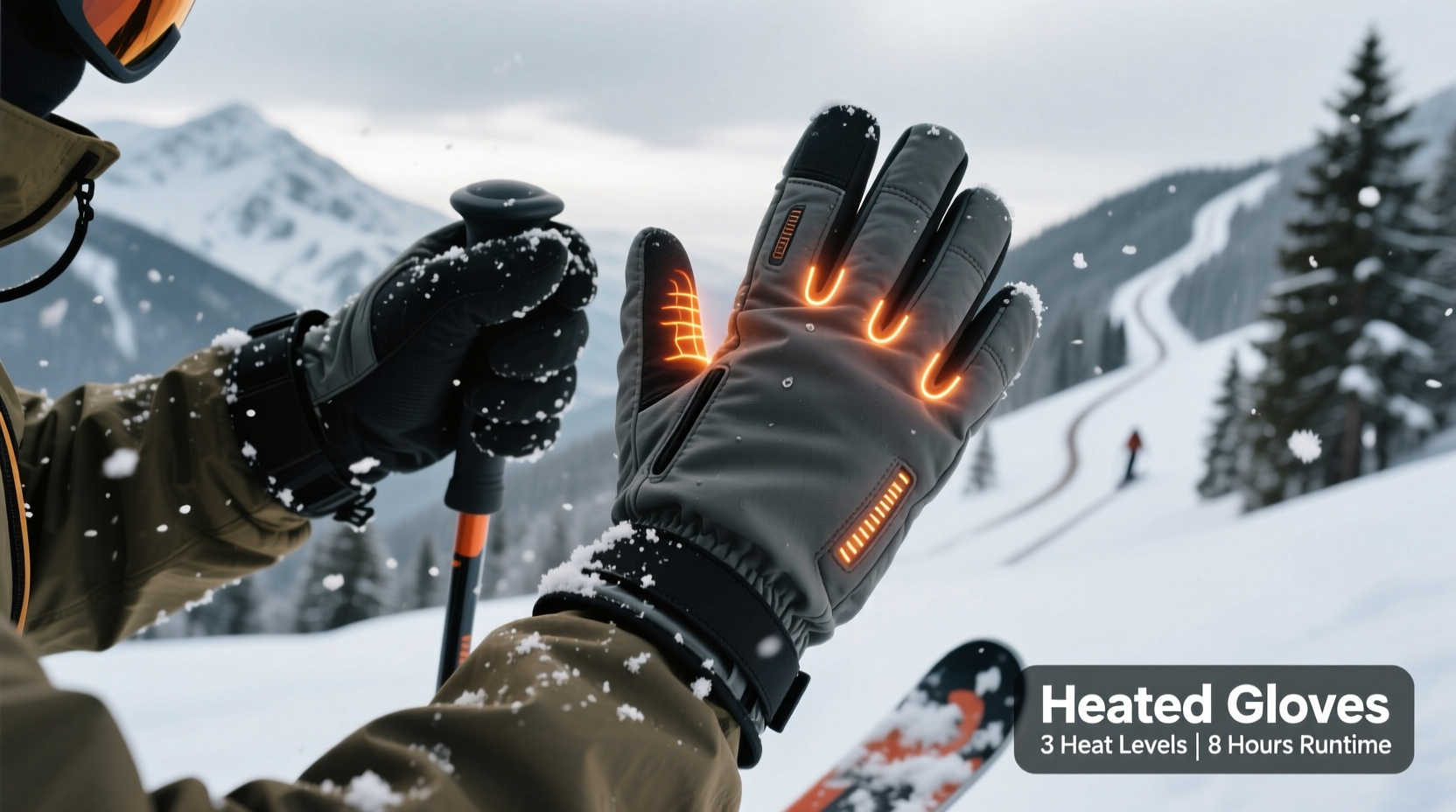
Heated gloves integrate thin, flexible heating elements—usually made from carbon fiber or metal alloys—into the lining of the glove. These elements are powered by small, rechargeable lithium-ion batteries, typically located in a pocket on the wrist or back of the hand. When activated, the circuits generate heat across targeted zones such as the palm, fingers, and back of the hand.
Most models offer multiple heat settings (low, medium, high), allowing users to adjust warmth based on activity level and ambient temperature. Advanced versions include Bluetooth connectivity, app-based controls, and even auto-adjusting thermostats that respond to external conditions.
While the technology sounds promising, its success in demanding environments like alpine skiing depends on several critical design factors: insulation quality, wind resistance, moisture management, battery life, and fit.
Tip: Always pre-heat your gloves for 5–10 minutes before hitting the slopes to ensure consistent warmth from the start.Skiing vs. Casual Use: Performance Differences
The demands placed on gloves during skiing are far greater than those during a short walk in light snow. Skiers face prolonged exposure to sub-zero temperatures, high wind chill from downhill speeds, frequent contact with wet snow, and the need for dexterity when handling poles, zippers, or lift tickets.
In contrast, someone taking a 30-minute walk in moderate winter weather may only require passive insulation. For them, basic thermal gloves might suffice—but if circulation is poor or temperatures dip below freezing, even casual users benefit from active heating.
For skiers, heated gloves serve two primary functions: preventing frostnip or frostbite in extreme cold, and enhancing comfort so that cold hands don’t cut a day short prematurely. Unlike regular insulated gloves, which rely solely on trapped air for warmth, heated gloves actively generate heat—even when wet or compressed—which makes them uniquely valuable in dynamic outdoor conditions.
“Many skiers underestimate how quickly heat loss occurs through the hands. Active heating systems can make the difference between enduring the cold and actually enjoying a full day on the mountain.” — Dr. Lena Peterson, Outdoor Sports Medicine Specialist
Key Features That Make Heated Gloves Suitable for Skiing
Not all heated gloves are created equal. To function effectively on the slopes, a glove must meet specific performance criteria beyond just having heating elements. Here’s what to look for:
- Waterproof and Windproof Shell: A durable outer layer made from materials like Gore-Tex, nylon, or polyurethane-coated fabrics prevents snowmelt and wind from penetrating.
- Breathable Insulation: Materials such as Primaloft or Thinsulate provide baseline warmth without trapping sweat, which can lead to dampness and chilling.
- Durable Heating Zones: Look for gloves with heating elements covering the palm and fingers—areas most vulnerable to cold—and check that the wiring is encased to prevent damage from flexing.
- Long Battery Life: At least 3–5 hours on medium heat is recommended for full-day skiing. Some premium models offer swappable batteries or USB-C fast charging.
- Dexterity and Grip: Pre-curved fingers, silicone grip pads, and touchscreen-compatible fingertips enhance usability without sacrificing warmth.
- Secure Fit: Adjustable wrist straps or cinch closures keep snow out and maintain consistent contact between the heating elements and skin.
| Feature | Essential for Skiing? | Less Critical for Short Walks |
|---|---|---|
| Waterproof Membrane | Yes | No – water resistance often sufficient |
| Windproof Backing | Yes | Moderate benefit |
| Battery Life >4 Hours | Yes | No – 2 hours often adequate |
| Touchscreen Compatibility | Helpful | Highly Useful |
| Reinforced Palm & Fingers | Yes – for pole grip and durability | No |
| Auto-Shutoff Safety | Recommended | Recommended |
Real-World Example: A Day of Skiing in Colorado
Consider Sarah, an intermediate skier spending a full day at Breckenridge in January. Morning temperatures hover around 10°F (-12°C), with wind gusts reaching 20 mph on exposed ridgelines. She’s wearing mid-layer gloves under her shell, but after two runs, her fingers begin to numb.
Switching to a pair of heated gloves with a Gore-Tex shell and dual-zone carbon fiber heating, she activates the medium setting. Within three minutes, she feels noticeable warmth returning to her fingertips. Over the next five hours, she alternates between medium and low settings depending on sun exposure and exertion level.
Despite falling twice and plunging her hands into deep powder, the gloves remain dry inside thanks to their waterproof construction. The battery lasts until mid-afternoon, at which point she swaps in a spare—a feature she planned for ahead of time. By comparison, her friend using non-heated “thermal” gloves resorts to hand warmers stuffed into pockets by early afternoon.
This scenario illustrates that while heated gloves aren’t magic, they deliver measurable improvements in comfort and endurance when engineered for alpine conditions.
Common Misconceptions About Heated Gloves
Several myths persist about heated gloves that may discourage potential buyers or lead to improper use:
- Myth: They’re too bulky for skiing. Modern designs are surprisingly slim, with heating elements integrated seamlessly into lightweight linings.
- Myth: They’ll overheat your hands. Most models regulate temperature between 104°F and 131°F (40–55°C), well within safe limits. Overheating is rare and usually due to malfunction or misuse.
- Myth: They eliminate the need for layering. Even the best heated gloves perform better when paired with thin liner gloves, especially in extreme cold.
- Myth: All heated gloves are expensive. While premium ski-specific models range from $150–$250, budget-friendly options exist for casual use starting around $60.
Step-by-Step Guide: Choosing the Right Heated Gloves
Selecting the ideal heated gloves involves more than just picking the warmest model. Follow this sequence to match your needs with the right product:
- Define Your Primary Use: Will you mainly ski, snowboard, hike, or take short walks? Prioritize durability and weather protection for skiing.
- Check Temperature Ratings: Look for manufacturer-specified operating ranges. For skiing, aim for gloves rated to at least -15°F (-26°C).
- Evaluate Battery Options: Swappable batteries are ideal for long days. Check charge time and whether the cable is protected from snow ingress.
- Test Dexterity: Try mimicking pole grips or zipper pulls. Stiff gloves hinder performance regardless of warmth.
- Assess Care Requirements: Can the liners be removed? Are the electronics sealed against washing? Avoid models requiring special cleaning unless necessary.
- Read Real User Reviews: Focus on feedback from skiers, not just urban commuters. Look for comments on fit, reliability, and longevity.
FAQ: Common Questions About Heated Gloves for Skiing
Can I wear heated gloves in the rain or wet snow?
Yes—if they are properly waterproofed. Most ski-grade heated gloves use sealed seams and membranes to resist moisture. However, avoid submerging them or exposing charging ports to water.
Do heated gloves work with glove liners?
Absolutely. In fact, wearing thin merino wool or synthetic liners enhances both warmth and moisture-wicking. Just ensure the combined thickness doesn’t restrict movement or reduce grip.
Are heated gloves safe for people with Raynaud’s syndrome?
Yes, and they’re often recommended. Individuals with poor circulation benefit significantly from consistent, regulated heat. Some medical professionals suggest heated gloves as part of a cold-management strategy.
Conclusion: Yes, Heated Gloves Work for Skiing—When Chosen Wisely
Heated gloves are not limited to short winter walks. On the contrary, they can be a game-changer for skiers who demand reliable warmth in harsh conditions. The combination of active heating, advanced materials, and thoughtful design allows modern heated gloves to outperform traditional insulated models—especially during extended exposure or in extreme cold.
However, effectiveness hinges on proper selection. A glove built for city commuting won’t survive a full day on the mountain. Skiers need robust construction, long battery life, and weatherproofing. Casual users, meanwhile, can prioritize convenience, touch sensitivity, and affordability.
Whether you're carving fresh powder or walking the dog through a snowstorm, heated gloves offer a tangible upgrade in comfort and control. With the right pair, cold hands no longer have to dictate how long you stay outside.
🚀 Ready to conquer the cold? Research top-rated ski-specific heated gloves today, invest in spare batteries, and experience a warmer, more enjoyable winter season—on the slopes or off.








