
Skiing in sub-zero temperatures demands more than a good jacket and goggles—your extremities need protection too. Hands, often neglected until numbness sets in, can make or break a day on the slopes. Heated gloves have entered the winter gear market with promises of warmth, comfort, and extended ride times. But do they actually deliver under real alpine conditions, or are they overpriced, cumbersome accessories that sacrifice dexterity for heat? The answer isn’t simple, but it’s important for anyone serious about staying warm without compromising performance.
Modern heated gloves combine advanced insulation with built-in heating elements powered by lightweight lithium-ion batteries. While early models were indeed bulky and stiff, today’s versions are sleeker, smarter, and more responsive. Still, skepticism remains: Can something that generates heat stay flexible enough to grip poles, adjust bindings, or zip a jacket? More importantly, do they outperform high-quality traditional insulated gloves?
How Heated Gloves Work: Technology Behind the Warmth
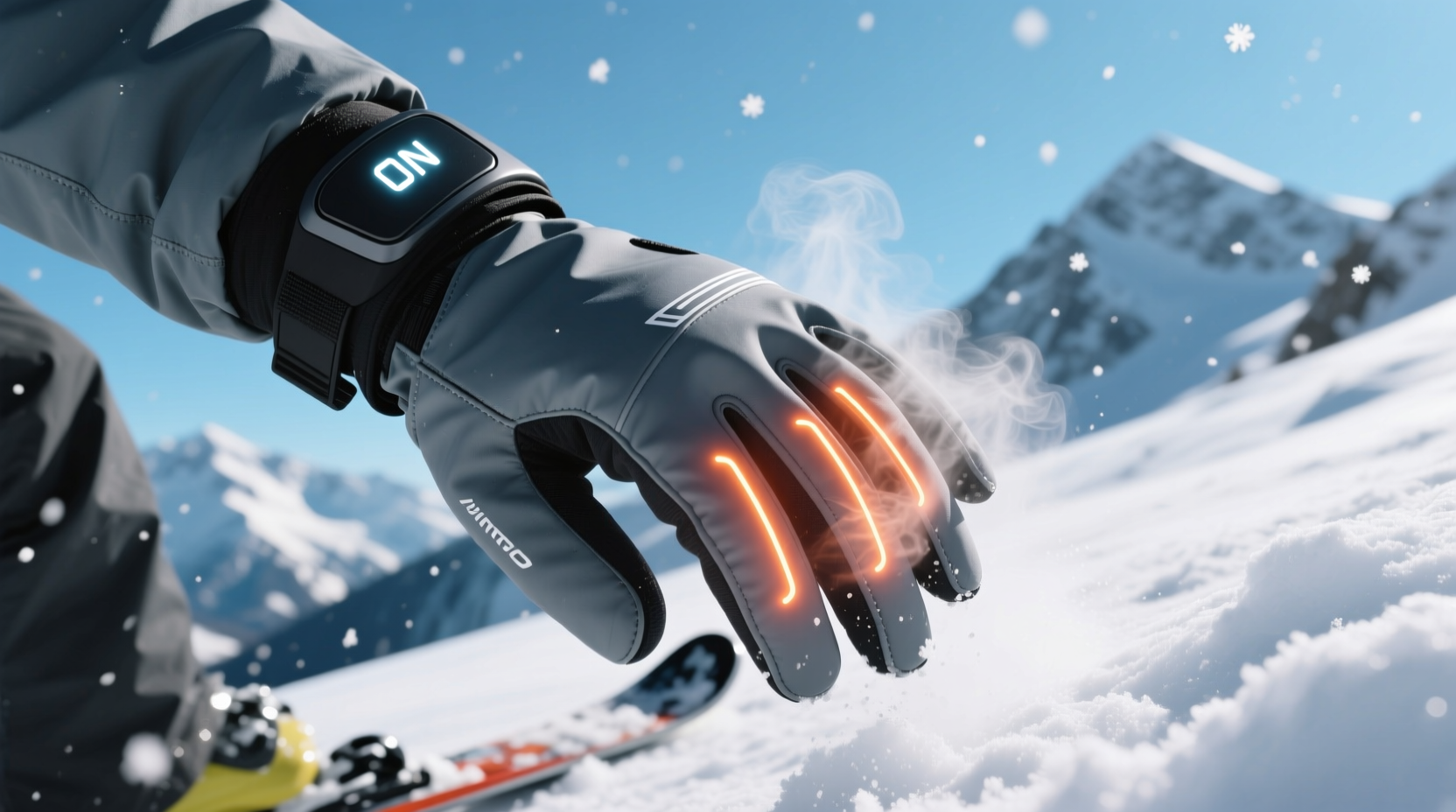
Heated gloves rely on thin carbon fiber or alloy wire heating elements strategically placed across the back of the hand, fingertips, and sometimes the palm. These elements connect to a small rechargeable battery, usually tucked into a compartment on the wrist or cuff. Most models offer multiple heat settings (low, medium, high), allowing users to balance warmth and battery life.
The heat is generated through electrical resistance—the same principle used in car seat warmers or electric blankets—but miniaturized and optimized for mobility. Modern gloves use microcontrollers to regulate temperature, preventing overheating and ensuring even distribution. Some premium brands integrate Bluetooth connectivity, letting skiers adjust heat levels via smartphone apps.
Battery life varies significantly between models. Entry-level gloves may last 2–3 hours on high, while high-end versions can provide up to 8–10 hours on low settings. Many now support USB-C charging and even hot-swappable batteries, meaning you can carry spares and extend usage mid-day.
Tip: Preheat your gloves indoors before heading out—this extends effective warmth time and reduces initial battery drain.Performance Comparison: Heated vs. Traditional Insulated Gloves
To assess whether heated gloves are worth the investment, it’s essential to compare them directly with top-tier non-heated alternatives. Traditional ski gloves rely on layered construction: waterproof outer shells, breathable membranes (like Gore-Tex), and thick insulating materials such as Thinsulate, Primaloft, or down blends.
While these perform well in moderate cold, they depend entirely on body heat retention. Once circulation drops in extreme cold, even the best-insulated gloves struggle. This is where heated gloves gain a clear advantage—they actively generate heat rather than just trap it.
| Feature | Heated Gloves | Traditional Insulated Gloves |
|---|---|---|
| Heat Source | Active (electric) | Passive (body heat retention) |
| Warmth in -20°C (-4°F) | Excellent (with power) | Fair to Good |
| Dexterity | Good (modern designs) | Very Good |
| Bulk | Moderate (improving yearly) | Low to Moderate |
| Battery Dependency | Yes | No |
| Lifespan | 3–5 years (electronics degrade) | 5+ years (if maintained) |
| Cost | $100–$300+ | $60–$180 |
The data shows a trade-off: heated gloves offer superior warmth in extreme conditions but come with added complexity and cost. For most recreational skiers in mild-to-moderate climates, traditional gloves remain sufficient. However, for those skiing in deep cold, high altitudes, or with circulation issues, heated gloves can be transformative.
Real-World Use: A Day on the Mountain with Heated Gloves
Consider Sarah, an intermediate skier based in Colorado who suffers from Raynaud’s syndrome—a condition that causes her fingers to go numb at temperatures below freezing. On a recent trip to Steamboat Springs, she tested a pair of premium heated gloves against her usual Gore-Tex/Thinsulate mittens.
At the base, temps hovered around -12°C (10°F) with wind chill dropping it further. Within 20 minutes, her traditional gloves failed to keep her fingers functional. She switched to the heated pair, set to medium, and within five minutes felt circulation return. Over the next six hours, she toggled between low and medium settings, swapping one battery at lunchtime. She reported no issues with dexterity when adjusting goggles or using lift tickets, and noted that the gloves felt only slightly heavier than her regular pair.
“I could finally focus on skiing instead of constantly clenching my fists to get blood flowing,” she said. “The difference wasn’t subtle—it was the difference between cutting the day short and finishing every run I planned.”
This case illustrates a key truth: for people with medical sensitivity to cold or those tackling prolonged exposure, heated gloves aren’t luxury items—they’re performance tools.
“Thermal regulation is critical in winter sports. Passive insulation has limits. Active heating closes the gap, especially for vulnerable users.” — Dr. Lena Torres, Sports Medicine Specialist, University of Utah
Common Misconceptions About Heated Gloves
Despite advancements, several myths persist about heated gloves:
- They’re too bulky to ski in. While early models were stiff and oversized, modern versions use ultra-thin heating panels and ergonomic shaping. Many now rival traditional gloves in flexibility.
- They’re unsafe in wet conditions. Reputable brands design gloves with fully sealed electronics, waterproof ratings (IPX7 standard), and isolated battery compartments. They’re safe in snow and light rain.
- They overheat your hands. Smart thermostats prevent this. Most gloves maintain a max surface temperature of 43–46°C (110–115°F)—warm, not scalding.
- They die mid-slope. With proper planning, this is avoidable. Carry spare batteries, pre-warm gloves, and use lower settings when possible.
The real limitation isn’t safety or bulk—it’s dependency on power. Forget to charge your gloves, and you’re left with slightly heavier-than-average mittens. That’s why preparedness matters.
Choosing the Right Heated Gloves for Skiing: A Practical Checklist
Not all heated gloves are created equal. To ensure you get a pair that performs on the mountain, follow this checklist before purchasing:
- Check the waterproof rating – Look for at least IPX4 (splash-resistant) or IPX7 (submersible for 30 minutes). Essential for snowy environments.
- Evaluate battery life – Aim for 5+ hours on medium heat. Check if batteries are replaceable or integrated.
- Assess dexterity – Try mimicking pole grip and zipper movements. Touchscreen-compatible fingertips are a plus.
- Confirm heat zone coverage – Back of hand and fingertips are critical. Palm heating is less common but helpful in extreme cold.
- Look for adjustable straps and cuffs – Keeps snow out and improves fit under jacket sleeves.
- Read user reviews from skiers – Not all heated gloves are designed for skiing. Avoid fashion-focused models.
- Consider weight and packability – Lighter gloves reduce fatigue over long days.
When Heated Gloves Make the Most Sense
Heated gloves aren’t for everyone, but they shine in specific scenarios:
- Extreme cold environments – Below -15°C (5°F), active heating becomes a game-changer.
- Long ski days – Full-day tours or backcountry trips benefit from sustained warmth.
- Medical conditions – Raynaud’s, arthritis, or poor circulation patients gain significant relief.
- Beginners who stand still often – Less movement means less natural hand warming.
- High-altitude skiing – Thinner air and colder temps amplify heat loss.
If you ski mostly in resorts with temps above freezing and take frequent lodge breaks, traditional gloves will likely suffice. But if you chase powder in January storms or ski remote zones, heated gloves offer tangible advantages.
Frequently Asked Questions
Can I wash heated gloves?
Most manufacturers recommend spot cleaning only. Never submerge them or put them in a washing machine. Wipe down the exterior with a damp cloth and mild soap. Always remove the battery first.
Are heated gloves safe for kids?
Yes, but only if designed for children. Adult gloves may be too large, reducing effectiveness and increasing tripping hazards. Ensure any kids’ model has auto-shutoff features and lower max temperatures.
Do heated gloves work with glove liners?
Absolutely. In fact, wearing thin merino wool or synthetic liners boosts warmth and wicks moisture. Just ensure the combined thickness doesn’t restrict movement or compromise grip.
Final Verdict: Function Over Fashion
Heated gloves are no longer gimmicks. Thanks to advances in battery tech, materials science, and wearable design, they’ve evolved into legitimate performance gear for skiers facing harsh conditions. While they aren’t necessary for every skier, they solve a real problem: maintaining hand function and comfort when passive insulation falls short.
The idea that they’re “just bulky accessories” stems from outdated perceptions. Today’s best models are thoughtfully engineered, balancing warmth, weight, and usability. Yes, they cost more. Yes, they require charging. But for many, the payoff—warmer hands, longer runs, and greater enjoyment—is worth the investment.
Ultimately, the choice depends on your skiing habits, climate, and personal needs. If cold hands consistently ruin your experience, it’s time to consider active heating. Don’t dismiss the technology based on old stereotypes. Test a reputable model, bring spare batteries, and see how it changes your time on the mountain.
🚀 Ready to end cold-hand frustration? Research top-rated heated ski gloves, try a pair this season, and reclaim full control of your winter adventures. Share your experience in the comments—your insight could help another skier stay warm.








