Cold plunge therapy—immersing the body in ice-cold water for short durations—has surged in popularity among athletes, biohackers, and wellness enthusiasts. Advocates claim it accelerates muscle recovery, reduces inflammation, and sharpens mental resilience. Skeptics argue it’s an overhyped ritual that trades marginal gains for intense physical stress. So, what does the evidence say? Is cold plunging a legitimate recovery tool, or is it simply amplifying discomfort under the guise of benefit?
The truth lies somewhere in between. Cold immersion can support recovery—but only when applied strategically. Misused, it may delay healing, blunt training adaptations, or reinforce a harmful mindset around pain tolerance. This article examines the physiological mechanisms, scientific research, practical applications, and common misconceptions to help you decide whether cold plunge tubs belong in your routine.
The Science Behind Cold Immersion and Recovery
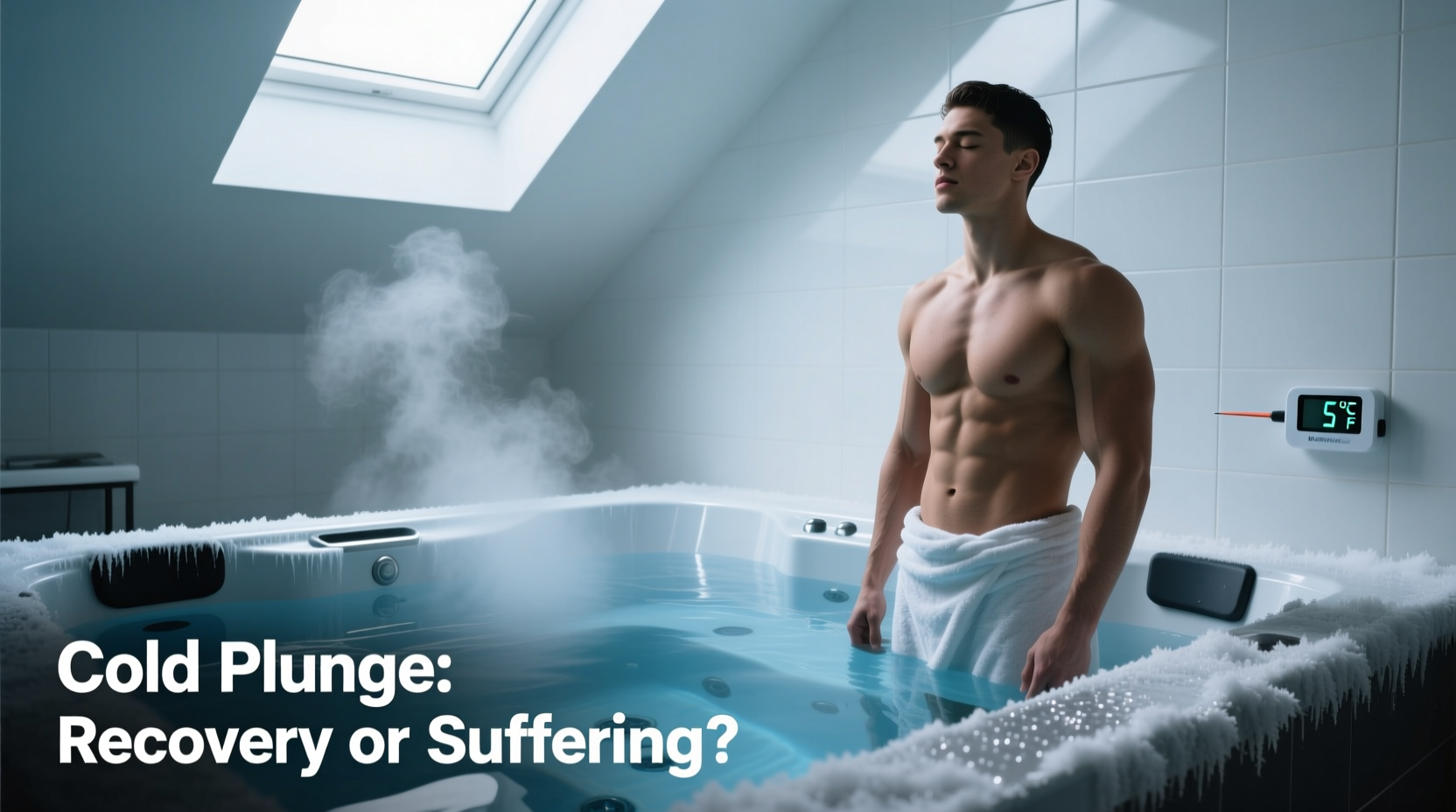
When the body is submerged in cold water (typically 10–15°C or 50–59°F), several physiological responses are triggered:
- Vasoconstriction: Blood vessels constrict, reducing blood flow to muscles and skin. This limits swelling and inflammation after intense exercise.
- Reduced metabolic activity: Lower temperatures slow cellular metabolism, which may decrease tissue breakdown and oxidative stress.
- Nervous system modulation: The shock of cold activates the sympathetic nervous system, followed by a rebound parasympathetic response, potentially improving autonomic balance over time.
- Endorphin release: Cold exposure stimulates the release of norepinephrine and beta-endorphins, contributing to mood elevation and perceived energy.
These effects form the basis of cold water immersion’s appeal. However, not all of them directly translate to faster or better recovery—especially in the long term.
“Cold immersion can be beneficial acutely, but chronic use post-exercise may interfere with muscle hypertrophy and strength gains.” — Dr. Craig Liebenson, Rehabilitation Specialist
Where Cold Plunges Help—and Where They Don’t
The effectiveness of cold plunges depends heavily on context: type of activity, timing, frequency, and individual goals.
When Cold Plunges Improve Recovery
- After high-volume endurance events: Marathon runners, triathletes, or cyclists completing extreme distances often experience significant muscle damage and systemic inflammation. Cold immersion can reduce soreness and perceived fatigue in the 24–72 hours following such events.
- During compressed competition schedules: Athletes playing multiple games in a week (e.g., basketball, soccer) may use cold plunges to feel less sore between matches, even if full physiological recovery isn’t achieved.
- For acute injury management: In the first 48 hours after a sprain or strain, cold therapy helps control swelling and pain, much like traditional icing.
When Cold Plunges May Hinder Progress
- After strength or hypertrophy training: Muscle growth relies on inflammation-driven signaling pathways (like mTOR activation). Suppressing inflammation too aggressively via cold immersion may blunt long-term gains in muscle size and strength.
- As a daily habit without purpose: Using cold plunges every day, regardless of activity, can desensitize the nervous system and reduce adaptive stress responses over time.
- Without proper warm-down: Jumping into cold water immediately after intense exercise may trap metabolic waste in muscles due to sudden vasoconstriction, potentially increasing stiffness.
Comparing Recovery Modalities: Cold Plunge vs. Alternatives
| Method | Reduces Soreness? | Supports Long-Term Adaptation? | Best For |
|---|---|---|---|
| Cold Plunge | Yes (short-term) | Limited / Potentially negative | Tournament athletes, endurance events |
| Active Recovery | Yes | Yes | Daily training, strength development |
| Compression Garments | Moderate | Neutral | Travel, post-event circulation |
| Sleep & Nutrition | Yes (foundational) | Strongly positive | All recovery goals |
| Heat Therapy | No (may increase soreness initially) | Positive (promotes blood flow) | Delayed recovery, flexibility work |
The table highlights a key insight: while cold plunges offer rapid symptom relief, they don’t address the root causes of recovery—sleep quality, protein synthesis, hydration, and hormonal balance. Over-relying on cold immersion risks prioritizing how you feel today over how strong you become tomorrow.
A Real-World Example: The Collegiate Soccer Player
Jamal, a Division I college soccer player, used cold plunges after every practice during pre-season. Initially, he felt less sore and believed he was recovering faster. But after six weeks, his sprint times plateaued, and his coach noted reduced explosiveness in drills.
His sports scientist reviewed his routine and discovered a pattern: Jamal was using cold immersion four to five times per week after resistance training sessions. The constant suppression of inflammation likely interfered with muscle remodeling. After switching to active recovery (light cycling and mobility work) on strength days and reserving cold plunges only after double-session tournament weekends, Jamal regained progress in power output and reported more sustainable energy levels.
This case illustrates a common pitfall: mistaking reduced soreness for improved recovery. True recovery includes adaptation, not just comfort.
How to Use Cold Plunges Wisely: A Step-by-Step Guide
If you choose to incorporate cold plunges, follow this sequence to maximize benefit and minimize risk:
- Assess your goal: Are you recovering from an ultra-endurance event, managing injury, or trying to boost daily performance? Only proceed if the goal aligns with cold therapy’s strengths.
- Wait 6–8 hours after strength training: Allow initial inflammatory signaling to occur before introducing cold. If necessary, delay immersion until the next morning.
- Set the right temperature: Aim for 10–15°C (50–59°F). Below 10°C increases cardiovascular strain without added benefit.
- Limit duration: Stay in for 10–15 minutes maximum. Longer exposure doesn’t improve outcomes and raises hypothermia risk.
- Warm up gradually afterward: Avoid hot showers immediately. Instead, wear warm clothes and move lightly to restore circulation naturally.
- Track your response: Note changes in soreness, sleep, energy, and performance over time. Discontinue if gains stall or mood declines.
Common Myths About Cold Plunges
Despite growing popularity, several misconceptions persist:
- Myth: Cold plunges burn fat. While cold exposure activates brown adipose tissue (BAT), the caloric expenditure is minimal—equivalent to a short walk. It’s not a weight-loss strategy.
- Myth: More cold = better results. There’s no dose-response curve beyond moderate exposure. Excessive cold increases cortisol and cardiac load without enhancing recovery.
- Myth: Everyone should do it. Individuals with hypertension, Raynaud’s syndrome, or cardiovascular conditions should avoid cold plunges without medical clearance.
- Myth: It boosts immunity. Acute cold exposure may temporarily increase immune markers, but no long-term studies confirm reduced illness rates from regular plunging.
FAQ: Your Cold Plunge Questions Answered
Can cold plunges improve mental resilience?
Yes, but indirectly. The act of voluntarily facing discomfort trains emotional regulation and discipline. Over time, this can improve stress tolerance. However, the psychological benefit comes from the practice of mindful endurance, not the cold itself.
Should I cold plunge before or after workouts?
Neither is ideal before exercise—cold reduces muscle elasticity and power output. Post-workout use is context-dependent: acceptable after endurance events, but discouraged after strength training aimed at growth.
Are ice baths better than cold plunge tubs?
Functionally, they’re similar. Ice baths require more maintenance but allow deeper submersion. Cold plunge tubs are easier to use and maintain consistent temperatures. The modality matters less than the protocol.
Final Checklist: Is a Cold Plunge Right for You?
- ☑ I’m recovering from an endurance event or tournament, not routine training.
- ☑ I’m not using it after every strength session.
- ☑ I’ve consulted a physician if I have heart or circulatory issues.
- ☑ I prioritize sleep, nutrition, and mobility as primary recovery tools.
- ☑ I monitor my performance and adjust usage based on results, not trends.
Conclusion: Recovery Beyond the Chill
Cold plunge tubs aren’t inherently good or bad—they’re tools. Their value depends on how, when, and why you use them. For some, they provide meaningful relief during demanding phases of training. For others, they become a crutch that masks fatigue without solving its cause.
True recovery isn’t about minimizing discomfort; it’s about optimizing adaptation. Before investing in a $5,000 cold plunge unit, consider whether you’ve mastered the fundamentals: consistent sleep, adequate protein intake, intelligent programming, and stress management. These deliver far greater returns than any ice bath ever could.
💬 Have you tried cold plunging? Did it help—or hurt—your recovery? Share your experience in the comments and help others navigate this polarizing practice with real-world insights.








