There’s undeniable charm in handing someone a hand-labeled bottle of lavender-vanilla vodka, steeped for three weeks in your sunlit kitchen window. It feels personal, artisanal, even romantic. Social media feeds overflow with glossy photos of mason jars filled with citrus peels, rosemary sprigs, and vanilla beans suspended in crystal-clear spirit—each caption promising “easy,” “elegant,” and “impressively homemade.” But behind the aesthetic lies a quiet undercurrent of risk: botulism spores thriving in low-acid, oxygen-deprived environments; ethanol volatility misjudged during storage; unregulated alcohol concentration masking spoilage; and the legal gray zone of gifting homemade spirits across state lines. This isn’t about dampening creativity—it’s about grounding it in food safety science, regulatory awareness, and realistic expectations. Because when a well-intentioned gift becomes a health hazard—or worse, a liability—it ceases to be thoughtful and starts to feel reckless.
The Allure: Why DIY Infused Vodka Gifts Spread Like Wildfire
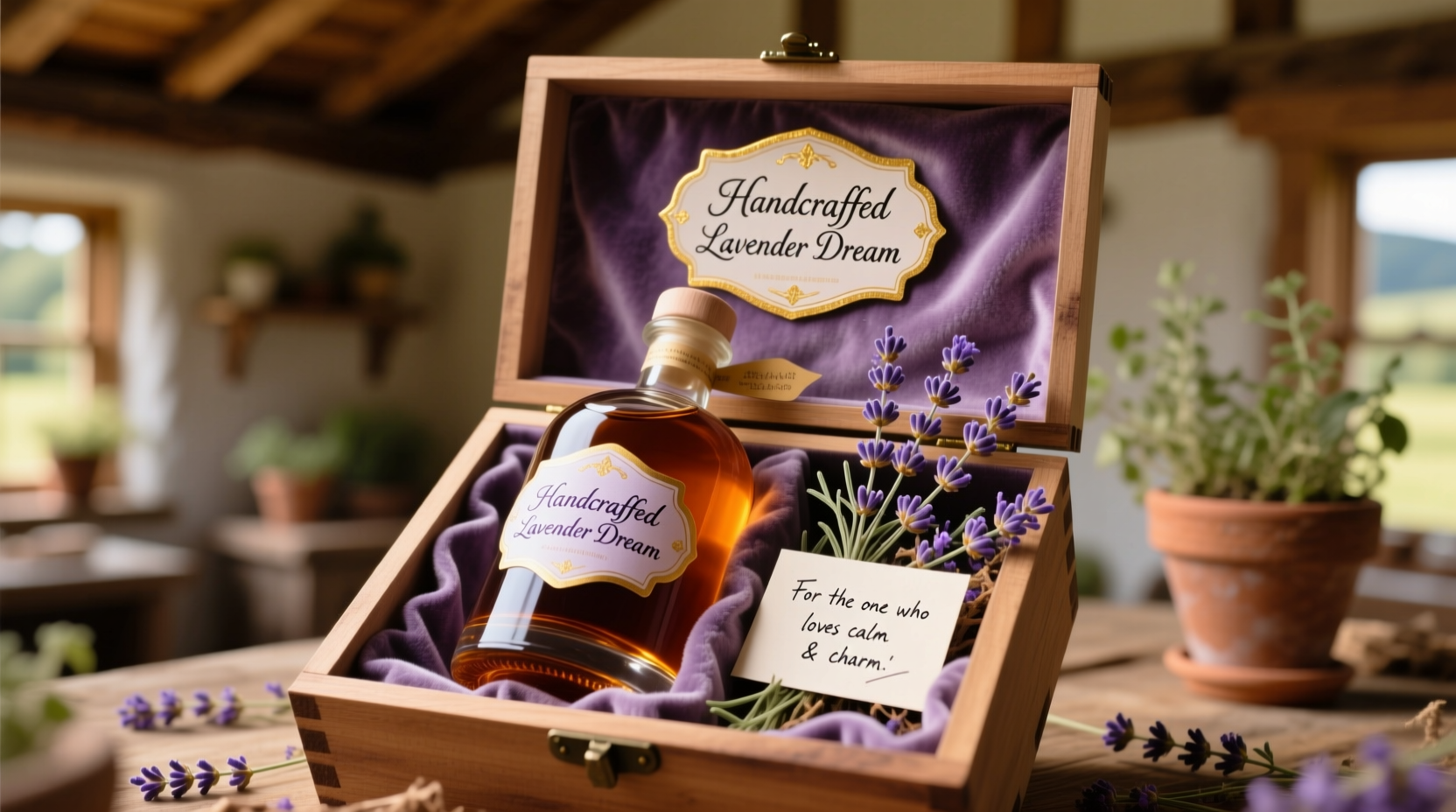
The appeal is multifaceted and deeply human. First, there’s the sensory intimacy: choosing ingredients that evoke memory—blackberries from a shared summer hike, cinnamon sticks from Grandma’s spice tin, dried orange peel from last Christmas’ pomander. Second, there’s perceived craftsmanship: unlike mass-produced liqueurs, an infused vodka feels like a one-of-a-kind artifact, its color deepening and aroma evolving over time. Third, there’s economic pragmatism—high-end craft vodkas retail for $35–$50 a bottle, while a 750ml base spirit costs $15–$22, and botanicals add pennies per infusion. Finally, there’s social currency: sharing a custom creation signals attention, patience, and care—qualities increasingly rare in transactional gift culture.
Yet this emotional resonance often eclipses critical questions: Is the pH level low enough to inhibit Clostridium botulinum? Was the jar sterilized properly—or just rinsed? Does the recipient have an undisclosed allergy to star anise or chamomile? And crucially: does the giver understand that “infusion” is not fermentation, distillation, or preservation—and carries none of those processes’ built-in safeguards?
Tip: Never infuse low-acid ingredients (like garlic, mushrooms, or fresh herbs) in vodka unless refrigerated and consumed within 5 days. Botulism toxin forms silently—invisible, odorless, and tasteless—in anaerobic, low-acid alcohol environments.The Science of Spoilage: What Can Go Wrong (and Why)
Vodka’s high ethanol content (typically 40% ABV) inhibits most bacteria, yeasts, and molds—but not all. Clostridium botulinum, the bacterium responsible for botulism, produces spores that survive boiling and germinate in low-oxygen, low-acid, ambient-temperature environments. While vodka itself is acidic enough (pH ~4.0–4.5) to discourage growth, many common infusion ingredients dramatically raise pH. Garlic (pH ~5.3–6.3), fresh ginger (pH ~5.6–5.8), and even peeled citrus rinds (pH ~3.5–4.0, but buffering effect from pectin and oils) create microenvironments where spores can activate and produce lethal neurotoxin.
Other risks are less catastrophic but equally consequential. Oxidation degrades delicate terpenes in herbs and flowers, yielding stale, hay-like off-notes. Ethanol extracts bitter compounds from citrus pith or herb stems if left too long—turning a bright lemon infusion into a medicinal, astringent brew. And improper straining leaves microscopic particulate matter that clouds the liquid and accelerates staling through surface-area exposure.
“Infusing alcohol is deceptively simple—but simplicity shouldn’t be confused with safety. I’ve tested over 200 home infusions in lab conditions. The single biggest predictor of microbial risk isn’t time or temperature alone—it’s ingredient pH combined with storage method. Room-temperature garlic-infused vodka? That’s not a gift. It’s a biohazard waiting for confirmation.” — Dr. Lena Torres, Food Microbiologist, University of California, Davis Department of Food Science & Technology
A Real-World Caution: The Case of the “Holiday Cranberry Sparkle”
In December 2022, a Portland-based graphic designer named Maya prepared 12 bottles of cranberry-cinnamon infused vodka as hostess gifts. She used fresh whole cranberries (pH ~2.3–2.5), ground cinnamon (pH ~5.5), and organic cane sugar. She sealed the jars with standard mason lids—not vacuum-sealed—and stored them at room temperature for 18 days before gifting. Ten recipients reported no issues. One developed double vision and dry mouth 36 hours after consuming two ounces neat. Emergency evaluation confirmed early-stage botulism; fortunately, antitoxin was administered in time. Lab analysis revealed C. botulinum type A toxin in the remaining bottle—traced to cinnamon powder contaminated with soil-borne spores, activated by the warm, low-acid, anaerobic conditions inside the sealed jar.
Maya had followed every “DIY blog” instruction to the letter—except one she didn’t know existed: cinnamon, despite its aromatic warmth, is a known vector for botulinal spores. And because cranberries’ acidity was neutralized by sugar and diluted by the large volume of neutral vodka, the environment became permissive. No one tasted or smelled anything amiss. The toxin formed undetected.
Do’s and Don’ts: A Practical Safety Framework
This isn’t about banning creativity—it’s about channeling it responsibly. Below is a distilled framework grounded in FDA guidance, CDC food safety protocols, and distillery best practices.
| Action | Do | Don’t |
|---|---|---|
| Sterilization | Boil glass jars and lids for 10 minutes; air-dry on clean paper towels. Use food-grade stainless steel or glass strainers. | Rinse jars with hot water only. Reuse lids with compromised seals or visible rust. |
| Ingredient Selection | Use dried, low-moisture botanicals (lavender buds, dried citrus peel, whole spices). Prefer organic, pesticide-free sources. | Use fresh garlic, onions, mushrooms, tomatoes, or unpeeled root vegetables. Avoid bruised, moldy, or overripe produce. |
| Infusion Time | Refrigerate all infusions containing fresh or high-moisture ingredients. Consume within 5 days. For dried ingredients: max 4 weeks at room temp, then refrigerate. | Leave any infusion unrefrigerated for more than 72 hours if it contains fresh produce—even if “the recipe says 3 weeks.” |
| Alcohol Base | Use 40% ABV (80 proof) or higher vodka. Higher proof increases antimicrobial efficacy without compromising flavor extraction. | Dilute vodka with water or juice before infusion. Use flavored vodkas with unknown preservative systems. |
| Labeling & Gifting | Include date infused, date opened, refrigeration requirement, and “Consume by [date]” on every bottle. Add allergen note (e.g., “Contains cinnamon”). | Gift unlabeled bottles. Assume recipients know safe handling. Include handwritten notes like “Shake before use!” (agitation reintroduces oxygen and may disturb settled sediment). |
Your Step-by-Step Safe Infusion Protocol
Follow this sequence precisely—no shortcuts, no improvisations. Timing, temperature, and tool hygiene are non-negotiable.
- Gather & Prep: Select only dried, low-moisture ingredients. Wash hands thoroughly. Sterilize jars, lids, funnel, and strainer via boiling.
- Measure & Layer: Use a digital scale for consistency. Ratio: 1 part botanicals (by weight) to 10 parts vodka (by volume). Place botanicals in jar first, then pour vodka slowly to minimize air bubbles.
- Seal & Store: Tighten lid firmly. Store upright in a cool, dark cupboard (ideally ≤68°F / 20°C). Do not shake. Check daily for cloudiness, bubbling, or off-odor.
- Taste & Monitor: Begin tasting on Day 3 (for delicate florals) or Day 7 (for roots/spices). Use a clean, sterile pipette—never dip a spoon or pour back into the jar.
- Strain & Bottle: After desired flavor develops, strain through a coffee filter-lined fine-mesh strainer into a sterilized bottle. Discard spent botanicals immediately. Refrigerate finished product.
- Label & Gift: Affix label with infusion date, ingredients, “Refrigerate after opening,” and “Best consumed within 30 days.” Include your contact info for transparency.
Legal and Ethical Considerations You Can’t Ignore
In 47 U.S. states, producing and distributing alcoholic beverages—even for free—without a federal TTB (Alcohol and Tobacco Tax and Trade Bureau) permit violates the Federal Alcohol Administration Act. While enforcement against small-scale gifting is rare, liability remains. If a recipient falls ill and traces the cause to your infusion, civil litigation is possible—especially if negligence (e.g., ignoring refrigeration warnings) is documented. Additionally, many workplaces, schools, and healthcare facilities prohibit alcohol on premises; gifting vodka to a nurse, teacher, or recovering individual—even with good intent—can cause professional or personal distress.
Internationally, regulations tighten further: the EU requires full ingredient disclosure and allergen labeling on all alcoholic products, including homemade gifts. Canada’s Food and Drug Regulations classify infused spirits as “alcoholic beverages” subject to same labeling rules as commercial producers. Ignorance isn’t a legal shield.
FAQ: Addressing Real Concerns
Can I safely infuse vodka with fresh fruit?
Only if refrigerated continuously and consumed within 5 days. Even then, avoid fruits with high water content (strawberries, peaches, melon) due to rapid enzymatic browning and microbial bloom. Dried fruit (apricots, cherries, pineapple) is safer—but still requires refrigeration post-straining.
Is it okay to reuse the same vodka for multiple infusions?
No. Each infusion leaches volatile compounds, lowers ABV slightly through evaporation and dilution, and introduces organic particulates that accelerate oxidation. Always start fresh with a new bottle of 40%+ ABV vodka.
What’s the safest beginner-friendly infusion?
Dried orange peel + whole cardamom pods. Peel only the zest (avoid white pith), dehydrate at 140°F for 4–6 hours until brittle, then combine with 2–3 crushed cardamom pods per 750ml vodka. Steep 10–14 days at room temperature. Strain, refrigerate, and enjoy within 6 weeks. Low-risk, high-reward, and universally appealing.
Conclusion: Creativity Anchored in Care
DIY infused vodka gifts sit at the intersection of generosity and responsibility. They can be beautiful, meaningful, and delicious—but only when intention is matched by informed action. The difference between a cherished keepsake and a cautionary tale isn’t found in the choice of vanilla bean versus almond extract. It’s found in whether you boiled that jar for ten minutes, checked the pH of your cinnamon, refrigerated that cranberry batch, or labeled the bottle with a consumption deadline. Authentic thoughtfulness doesn’t cut corners on safety. It measures twice, sterilizes once, questions assumptions, and prioritizes the recipient’s wellbeing over Instagram aesthetics.
You don’t need to abandon the idea—you need to elevate it. Start small: master one safe infusion. Document your process. Share not just the final bottle, but the rigor behind it. When you gift with both heart and hygiene, you’re not just offering flavor—you’re offering trust.
💬 Have you navigated the infused vodka gift dilemma? Share your safest recipe, hardest lesson, or smartest labeling hack in the comments—we’ll feature standout insights in next month’s community roundup.








