Michigan’s vast network of inland lakes, rivers, and Great Lakes shorelines makes it one of the top destinations for walleye fishing in North America. With over 11,000 inland lakes and 36,000 miles of streams and rivers, the opportunities to land trophy-sized walleye are nearly endless. Whether you're a weekend angler or a dedicated fisherman tracking seasonal migrations, understanding where and how to fish is key to success. This guide delivers practical advice, insider knowledge, and proven techniques to help you maximize your time on the water.
Top Walleye Hotspots Across Michigan
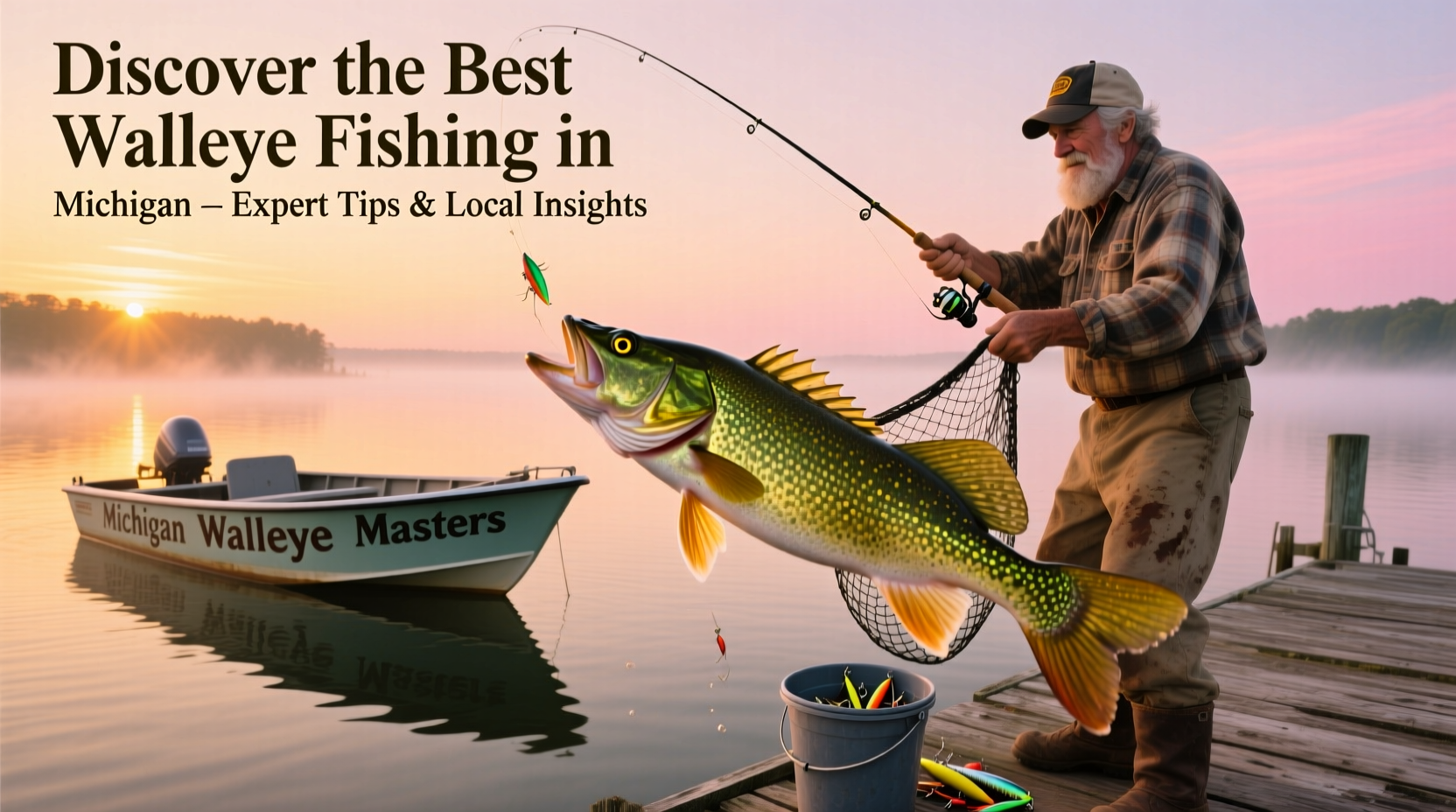
Walleye thrive in both clear, deep waters and shallow, weedy bays depending on the season. Michigan offers diverse habitats that support healthy populations year-round.
- Lake St. Clair: Known as the \"walleye capital of the world,\" this lake between Detroit and Canada consistently produces large schools, especially during spring spawning runs. The stretch near the Anchor Bay and the southern basin sees heavy action from April through June.
- Saginaw Bay (Lake Huron): A shallow bay with abundant baitfish, Saginaw Bay hosts one of the largest walleye spawning aggregations each spring. Anglers often target areas near the mouth of the Saginaw River and along the outer reefs.
- Manistee River: Famous for its fall run, this river draws serious attention when walleye move upstream to spawn. Drift fishing with live bait or casting jigs works exceptionally well here.
- Thunder Bay (Lake Huron): Off Alpena, this deep-water zone provides excellent summer structure fishing. Humps, drop-offs, and rock piles hold walleye when surface temperatures rise.
- Portage Lake: Located in southwest Michigan, this chain of connected lakes offers consistent action throughout the year, particularly around weed edges and submerged timber.
Seasonal Strategies for Consistent Catches
Walleye behavior shifts dramatically with the seasons. Matching your approach to their movement patterns increases your odds significantly.
Spring: Spawning Runs and Shallow Feeding
As ice melts and water temperatures climb above 42°F, walleye migrate toward tributaries and shallow flats to spawn. Focus on gravel-bottomed river mouths and inside bends where current slows. Use shad-imitating crankbaits, live minnow rigs, or vertical jigging near drop-offs adjacent to spawning grounds.
Summer: Deep Structure and Low-Light Activity
During summer months, walleye retreat to deeper, cooler zones—often between 25 and 40 feet. They become most active during low-light periods: dawn, dusk, and overcast days. Troll crawler harnesses behind planer boards along breaklines, or deploy downriggers over mid-lake humps. Fluorescent-colored lures stand out in deeper water.
Fall: Aggressive Pre-Winter Feeding
With winter approaching, walleye feed heavily to build fat reserves. This makes fall one of the most productive times to fish. Target transition zones where shallow feeding areas meet deeper water. Jigging with soft plastics tipped with live bait near rocky points yields excellent results.
Winter: Ice Fishing Opportunities
Once safe ice forms, walleye remain catchable under the sheet. Popular spots include Gull Lake, Crooked Lake, and parts of Lake Erie. Drill multiple holes and use sonar-equipped flashers to locate suspended fish. Small tungsten jigs with glowing eyes and perch-color plastics work best.
“Understanding the thermal layers in Michigan lakes gives you an edge. In summer, find the thermocline—it’s where oxygen and temperature align perfectly for walleye.” — Mark Reynolds, DNR Fisheries Biologist
Essential Gear and Rigging Guide
Having the right equipment tailored to conditions can make the difference between a slow day and a limit catch.
| Technique | Rod & Reel | Line Type & Test | Bait/Lure Examples |
|---|---|---|---|
| Trolling | Moderate-heavy, 7–8 ft | Braid mainline (20–30 lb), fluorocarbon leader (10–12 lb) | Coleman Honey Comb, Reef Runner, crawler harness |
| Jigging (open water) | Light to moderate, 6.5–7 ft | Fluorocarbon (6–10 lb) | ¼–½ oz jig heads with paddle tails or curly tails |
| Drift Fishing (rivers) | Moderate-action, 7.5 ft | Monofilament (8–12 lb) | Slip bobber rig with leech or nightcrawler |
| Ice Fishing | Ultralight ice rod | Fluorocarbon (4–6 lb) | Northland Buck-Shot Rattle Spoon, Lindy Tungsten Ice Jig |
Step-by-Step: How to Locate Walleye Using Electronics
Modern fish finders and GPS units are invaluable tools for pinpointing walleye locations. Follow this sequence to improve efficiency on the water:
- Start with a map view: Identify known structures—points, reefs, channel edges, and sunken riverbeds—using built-in lake maps or third-party charts.
- Scan broad areas with side imaging: Move slowly while scanning wide swaths to detect schools or individual fish near bottom contours.
- Dial in depth ranges: Once you mark fish, note their preferred depth. Adjust trolling speed or jig weight accordingly.
- Mark waypoints: Save hotspots for future reference, especially if they’re offshore structures not visible from the surface.
- Use down imaging vertically: Hover over promising marks and observe fish reactions to your lure presentation in real time.
Local Insight: A Day on Saginaw Bay with Captain Tom Greer
On a crisp May morning, Captain Tom Greer of Bay City guided a group of anglers through a typical spring outing on Saginaw Bay. Water temps hovered around 54°F, and recent rains had stirred up visibility slightly—ideal conditions for aggressive walleye.
Starting just before sunrise, Greer trolled three rods per side using inline planer boards to spread lines wide. He deployed #5 Shad Raps set 30 feet back with 10-pound test line, running them at 1.8 mph along a 12-foot contour near Charity Island.
Within 20 minutes, the first rod bent hard. After landing a 21-inch female full of roe, Greer noted, “This is textbook early-season pattern. These fish are post-spawn but still grouped up near spawning shoals. They’ll stay here another two weeks before scattering.”
By noon, the group had boated nine walleye, including two over 24 inches. Greer emphasized patience: “Don’t rush. Let the boat do the work. When the bite slows, shift direction slightly—sometimes just five degrees changes everything.”
Frequently Asked Questions
When is the best time of day to catch walleye?
Walleye are most active during low-light periods—dawn, dusk, and nighttime. Overcast days also extend these feeding windows. During bright afternoons, focus on deeper water or shaded banks.
Do I need a fishing license for walleye in Michigan?
Yes. All anglers aged 17 and older must possess a valid Michigan fishing license. Special endorsements may be required for certain waters, such as Great Lakes trout/salmon permits when targeting walleye in Lake Huron or Lake Michigan.
What size walleye can I keep in Michigan?
The statewide minimum length for keeping walleye is 15 inches, with a daily possession limit of five fish. However, some waters have special regulations—always check the current Michigan DNR Fishing Guide before heading out.
Expert Tips Checklist Before You Launch
- ✔ Check local regulations and slot limits
- ✔ Pack extra batteries for electronics and flashlights
- ✔ Bring a variety of lure sizes and colors (natural tones for clear water, brighter hues for stained water)
- ✔ Carry a dip net—walleye have slippery mouths
- ✔ Monitor weather forecasts; sudden cold fronts suppress bites
- ✔ Use scent additives on soft plastics to trigger strikes
- ✔ Keep noise low near the boat—walleye spook easily in shallow areas
Final Thoughts: Make Every Trip Count
Fishing for walleye in Michigan isn’t just about luck—it’s about preparation, observation, and adapting to nature’s rhythms. From the bustling fisheries of Lake St. Clair to the quiet backwaters of northern rivers, every region tells a different story. By combining local knowledge with modern tactics, you can turn good days into great ones.
💬 Ready to share your favorite walleye spot or technique? Drop a comment below—let’s grow a community of smarter, more successful Michigan anglers!








