
Remote-controlled (RC) boats offer a unique blend of engineering excitement and outdoor recreation. Whether skimming across a calm lake or racing through backyard ponds, these miniature vessels captivate hobbyists of all ages. From toddlers pressing their first throttle button to seasoned enthusiasts customizing brushless motors, the world of RC boating is more accessible—and thrilling—than ever. With advancements in waterproof electronics, durable materials, and intuitive controls, today’s models deliver performance that mirrors full-scale marine engineering. Choosing the right RC boat means balancing speed, durability, ease of use, and value—all while ensuring hours of safe, engaging fun.
Understanding RC Boat Types: Match Your Needs to the Model
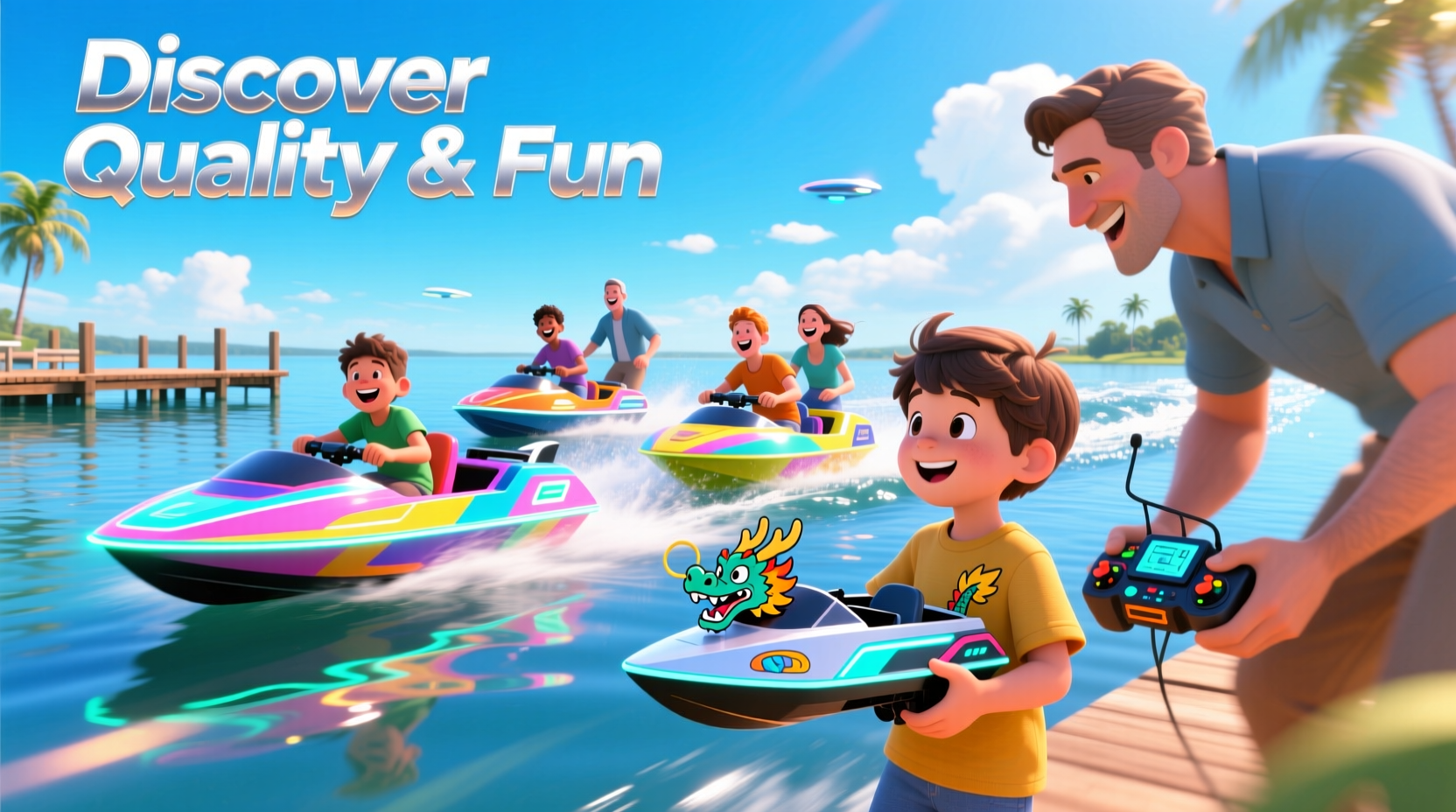
Not all RC boats are built the same. Each type serves different interests, environments, and skill levels. Knowing the distinctions helps prevent frustration and ensures long-term enjoyment.
- Scale Models: Realistic replicas of classic yachts, tugboats, or naval vessels. Ideal for display and slow cruising. Often feature working lights, sounds, and detailed exteriors.
- Racing Boats: Built for speed, with hydroplane or catamaran hulls. These require open water and some piloting experience but deliver adrenaline-pumping performance.
- Recreational Runabouts: Mid-range models offering balanced speed and stability. Perfect for beginners and families, often designed with splash resistance and rugged builds.
- Combat & Amphibious Boats: Interactive toys that shoot water or transition between land and water. Great for kids and imaginative play.
- Sailboats: Wind-powered with remote-adjustable sails. More technical, appealing to those who enjoy physics and precision over speed.
Choosing the Right RC Boat: A Buyer’s Checklist
Selecting the best RC boat isn’t just about looks or top speed. Consider these key factors before purchasing:
- Age and Skill Level: Younger users benefit from slow, stable models with impact-resistant hulls. Advanced users may prefer customizable kits with upgradeable components.
- Battery Life & Charging: Look for lithium-polymer (LiPo) or NiMH batteries with at least 15–20 minutes of runtime. Quick-charging capabilities enhance session longevity.
- Water Resistance Rating: Ensure the electronics are fully sealed. IPX7 or higher ratings indicate submersion protection up to 1 meter for 30 minutes.
- Control Range: Most consumer models offer 50–100 meters. Longer ranges suit large lakes; shorter ones are safer for small ponds or supervised children.
- Hull Material: ABS plastic and fiberglass are common. Fiberglass offers better speed and durability but at a higher price.
- Price vs. Value: Entry-level boats start around $30; high-performance racers can exceed $300. Assess included accessories, warranty, and upgrade potential.
Top Picks by Category: Best RC Boats for Every User
| Category | Model | Best For | Speed | Price Range |
|---|---|---|---|---|
| Beginner/Family | SYMA S107 RC Boat | Kids and casual users | 8 mph | $35–$45 |
| Racing Enthusiast | Traxxas Spartan 36 | Experienced pilots | 35+ mph | $280–$320 |
| Realistic Scale | FEELWORLD Yacht Cruiser | Display and slow cruising | 4 mph | $90–$120 |
| Durable Starter | ARRMA Talon 24 | Teens and adults | 24 mph | $150–$180 |
| Interactive Play | Powerline Water Jet Combat Boats | Children 6–12 | 6 mph (with water blasters) | $50–$70 |
The Traxxas Spartan stands out for its brushless motor system and self-righting hull—a game-changer during high-speed flips. Meanwhile, the SYMA S107 wins on accessibility, featuring simple two-channel control and floatation guards ideal for learning.
Maintaining Performance: Care Tips for Longevity
Water exposure, UV rays, and mechanical stress shorten an RC boat’s lifespan if not managed. Proper maintenance keeps your investment running smoothly season after season.
- Rinse the hull and propeller with fresh water after each use, especially in saltwater or chlorinated pools.
- Dry all compartments thoroughly before storage. Moisture leads to corroded circuits and motor failure.
- Lubricate moving parts like rudders and shafts every few months with silicone-based grease.
- Store batteries at 50–60% charge in a fireproof container, away from extreme temperatures.
- Inspect seals and gaskets annually. Replace cracked O-rings immediately to prevent leaks.
“An RC boat that’s rinsed, dried, and stored properly can last three times longer than one left damp in a garage.” — Daniel Reyes, Marine Electronics Technician and RC Hobby Advisor
Real-World Experience: How One Family Found Joy in RC Boating
The Thompson family from Oregon purchased a mid-tier ARRMA Talon 24 as a summer activity for their 10-year-old son and 13-year-old daughter. Initially skeptical, they were surprised by how quickly both children learned steering and throttle control at their local community pond.
Within weeks, the kids were navigating turns, avoiding obstacles, and even organizing informal races with neighborhood friends. The parents appreciated the boat’s durable design—surviving multiple capsizes without damage. Over time, the father began researching battery upgrades and waterproof camera mounts, turning the hobby into a shared STEM learning opportunity. “It got them outside, engaged in problem-solving, and talking about physics,” Mrs. Thompson noted. “And honestly, I ended up loving it too.”
Step-by-Step Guide to Your First RC Boat Adventure
Follow this sequence to ensure a smooth and enjoyable introduction to RC boating:
- Choose Calm Water: Pick a small lake, pond, or pool with minimal waves and no strong currents.
- Charge Everything: Fully charge the boat’s battery and transmitter the night before.
- Pre-Flight Check: Inspect the hull for cracks, confirm the propeller spins freely, and verify the rudder moves correctly.
- Power On Sequence: Turn on the boat first, then the transmitter. This prevents signal loss at startup.
- Test in Shallow Water: Let the boat idle near shore to confirm forward, reverse, and steering functions.
- Start Slow: Begin with gentle throttle inputs. Avoid full speed until you understand handling.
- Retrieve Safely: After 15–20 minutes, bring the boat ashore before the battery depletes completely.
- Clean & Store: Rinse, dry, and store components separately in a cool, dry place.
Frequently Asked Questions
Can RC boats be used in saltwater?
Some models are saltwater-rated, but most consumer-grade boats are not. Salt accelerates corrosion and damages motors. If using in saltwater, rinse immediately with fresh water and perform extra-detailed drying.
Are RC boats safe for young children?
Yes—with supervision. Choose models with low speeds, protective bumpers, and simple controls. Avoid deep or fast-moving water. Ages 6+ typically handle beginner boats well with adult guidance.
How fast do RC boats go?
Toy-grade boats average 5–10 mph. Mid-range models reach 15–25 mph. High-performance racing boats can exceed 35 mph, with some hydroplanes hitting 50+ mph under optimal conditions.
Conclusion: Set Sail Into Endless Fun
RC boats bridge the gap between technology and tradition, offering hands-on excitement that appeals across generations. Whether you’re seeking quiet scale cruising or heart-racing competition, there’s a model engineered to match your vision. The best part? You don’t need a marine engineering degree to enjoy one. With thoughtful selection, basic care, and a spirit of adventure, anyone can launch into this rewarding pastime.
🚀 Ready to make a splash? Explore trusted brands, test models at local hobby shops, and share your first RC boat story with friends. The water’s waiting—start your journey today.








