In an age where personal accessories double as status symbols, the humble passport holder has evolved from a functional travel essential into a fashion statement. Walk into any luxury boutique or browse online marketplaces, and you’ll find designer passport holders priced anywhere from $200 to over $500. Meanwhile, minimalist, well-crafted alternatives from independent brands sell for under $50. The question arises: are you paying for superior craftsmanship, durability, and design—or simply for a recognizable logo?
This isn’t just about travel convenience; it’s about value, identity, and consumer awareness. To answer whether the premium price tag is justified, we need to examine materials, construction, functionality, brand psychology, and real-world use.
Material Quality: Leather, Craftsmanship, and Longevity
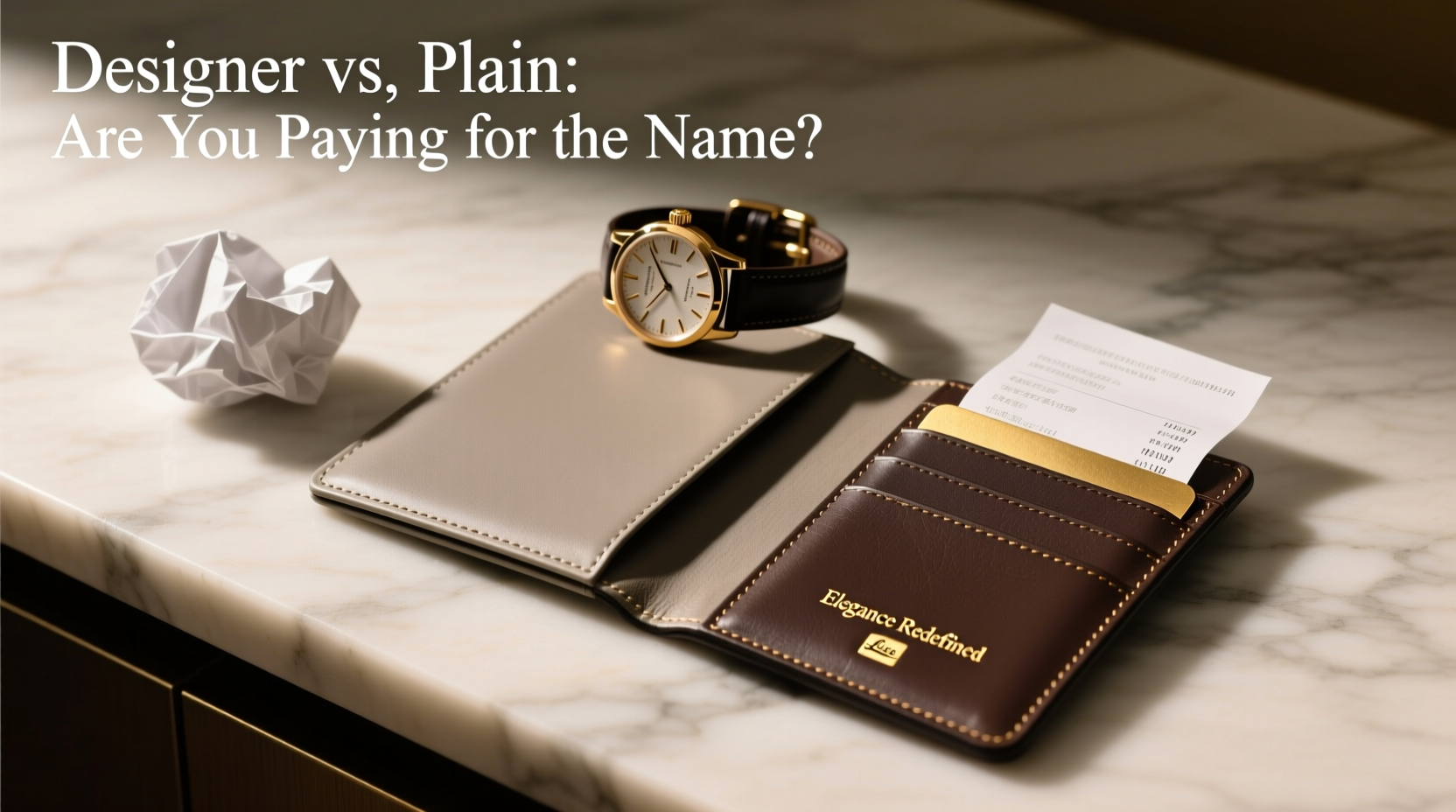
The foundation of any good passport holder lies in its materials. Designer brands often use full-grain or top-grain leather—premium hides known for durability and natural texture. These leathers develop a patina over time, enhancing their aesthetic appeal with age. However, many non-designer brands now source similar high-quality leathers from ethical tanneries, offering comparable longevity at a fraction of the cost.
Stitching is another critical factor. Luxury brands typically employ hand-stitching or reinforced machine stitching, which resists fraying and maintains structural integrity. But so do many direct-to-consumer (DTC) brands that specialize in minimalist accessories. Brands like Bellroy, Secrid, and Ridge emphasize precision engineering and durable materials without inflating prices through retail markups or branding overhead.
Tip: Check thread type—waxed polyester or nylon stitching lasts longer than cotton, regardless of brand.Functional Design: What Actually Matters?
A passport holder should protect your documents, fit comfortably in a pocket, and offer quick access when needed. Some designer models prioritize aesthetics over practicality—thick layers of leather, bulky silhouettes, or excessive branding can make them harder to use at airport security.
In contrast, many plain passport holders focus on ergonomics and efficiency. Features like RFID-blocking material, slim card slots, or ejector mechanisms (as seen in metal-based holders) improve utility without relying on logos. Function-first design often results in lighter weight, better organization, and easier retrieval.
Consider this: if both a $30 and a $300 holder securely store your passport and two cards, resist wear after six months of daily travel, and slide easily into a jacket pocket, what justifies the tenfold price difference?
Brand Premium vs. Actual Value: The Psychology of Pricing
Luxury pricing isn’t solely based on production costs. According to Dr. James Wolf, consumer behavior expert at NYU Stern School of Business:
“Brands like Gucci, Louis Vuitton, or Prada charge not for materials, but for emotional equity—the feeling of exclusivity, heritage, and social recognition. You’re paying for the story, not just the product.” — Dr. James Wolf, Consumer Behavior Researcher
This “halo effect” means consumers associate high prices with superior quality—even when objective differences are minimal. A 2022 study published in the Journal of Consumer Psychology found that participants rated identical leather goods as more durable and better made when labeled with a luxury brand, despite blind tests showing no preference.
In other words, part of what you're buying with a designer passport holder is confidence—the belief that others will perceive you as successful, stylish, or discerning.
Comparison Table: Designer vs. Plain Passport Holders
| Feature | Designer Passport Holder | Plain/Non-Designer Holder |
|---|---|---|
| Price Range | $180 – $500+ | $15 – $70 |
| Leather Type | Top-grain or full-grain (often branded) | Frequently same quality; sometimes vegetable-tanned |
| Construction | Hand-stitched or precision machine-stitched | Often equally precise; modern manufacturing techniques |
| Functionality | May be limited by thick leather or branding | Often optimized for slimness, access, and weight |
| Brand Recognition | High—logo visible or embossed | Low or none—minimalist branding |
| Durability (6-month field test average) | Good to excellent | Good to excellent (varies by brand) |
| RFID Protection | Rare unless specified | Common in tech-focused brands |
Real-World Example: Sarah’s Travel Test
Sarah, a frequent business traveler based in Toronto, decided to put this debate to the test. For six months, she alternated between a $425 Gucci passport holder and a $38 minimalist model from a small Canadian brand called Tucano Leather Co. Both were made from full-grain Italian leather and held two cards plus her passport.
After extensive international trips—including humid climates, carry-on jams, and daily use—she found little difference in wear. The Gucci piece showed slightly less edge scuffing, likely due to heavier coating, but the Tucano developed a richer patina and remained slimmer. Airport staff never commented on either, and Sarah admitted she only used the Gucci one when meeting clients.
“I felt fancier using the Gucci,” she said, “but functionally? The cheaper one did everything I needed. I’d buy the Tucano again in a heartbeat.”
When Does a Designer Holder Make Sense?
There are scenarios where a designer passport holder delivers genuine value beyond the logo:
- Gifting: A recognizable brand adds perceived thoughtfulness and prestige.
- Corporate image: Professionals in client-facing roles may benefit from subtle luxury cues.
- Collection synergy: If you already own matching luggage tags, wallets, or bags from the same line, coordination enhances aesthetic cohesion.
- Resale or heirloom potential: Certain vintage or limited-edition pieces retain value over time.
However, if your priority is utility, discretion, and long-term value per dollar, a well-reviewed plain passport holder often outperforms its designer counterpart.
Actionable Checklist: Choosing the Right Passport Holder
- Define your primary need: daily carry, occasional travel, or gift?
- Set a realistic budget (e.g., under $75).
- Check material specs—look for full-grain leather, water-resistant finishes, or recycled metals.
- Evaluate dimensions—will it fit in your front pocket or jacket?
- Read user reviews focusing on durability after 3+ months of use.
- Determine if RFID protection is important for your travel habits.
- Assess brand ethics—do they disclose sourcing and labor practices?
- Avoid impulse buys based solely on logo visibility.
Frequently Asked Questions
Do designer passport holders last significantly longer?
Not necessarily. While some luxury brands use higher-grade finishing techniques, many non-designer options match or exceed them in durability due to modern materials and focused design. Real-world lifespan depends more on usage and care than brand alone.
Is RFID protection worth considering?
Yes, especially if you travel frequently or carry sensitive cards. Most designer brands don’t include RFID shielding by default, whereas many affordable tech-centric brands build it in. It’s a functional advantage often missing in high-end fashion pieces.
Can a plain passport holder still feel luxurious?
Absolutely. Texture, weight, stitching precision, and how it ages all contribute to a premium feel. A well-made undyed vegetable-tanned leather holder from a small artisan brand can feel more authentic and satisfying than a mass-produced designer item coated in synthetic finishes.
Final Thoughts: Pay for Value, Not Just the Name
The passport holder market reflects a broader trend in consumer culture: the tension between intrinsic value and symbolic capital. There’s nothing inherently wrong with wanting to own a designer piece—you might love the design, trust the brand’s consistency, or enjoy the confidence it brings.
But if you're choosing based solely on reputation or assuming higher price equals better performance, you may be overlooking smarter, more functional alternatives. Today’s independent makers offer exceptional quality, sustainable materials, and innovative designs without the markup of runway advertising or celebrity endorsements.
Before your next purchase, ask yourself: Am I investing in craftsmanship and utility—or just the logo on the corner?
🚀 Ready to make a smarter choice? Audit your current accessories, research transparent brands, and invest in pieces that serve you—not just signal status. Share your thoughts below: have you found a plain passport holder that outshines the designer competition?








