Every dog owner knows the ritual: toss a ball, the dog sprints, retrieves (or doesn’t), and the game begins again. But behind this simple act lies a growing debate in the pet product world—should you stick with the classic tennis ball or invest in high-end designer dog balls? With some premium balls costing 10 times more than their fuzzy yellow counterparts, it’s fair to ask: do they deliver real value, or is this just clever marketing targeting devoted pet parents?
The answer isn’t straightforward. It depends on your dog’s size, chewing habits, play style, and even environmental concerns. Let’s break down the differences between designer dog balls and standard tennis balls across key factors like safety, durability, performance, and long-term cost.
Performance and Play Experience
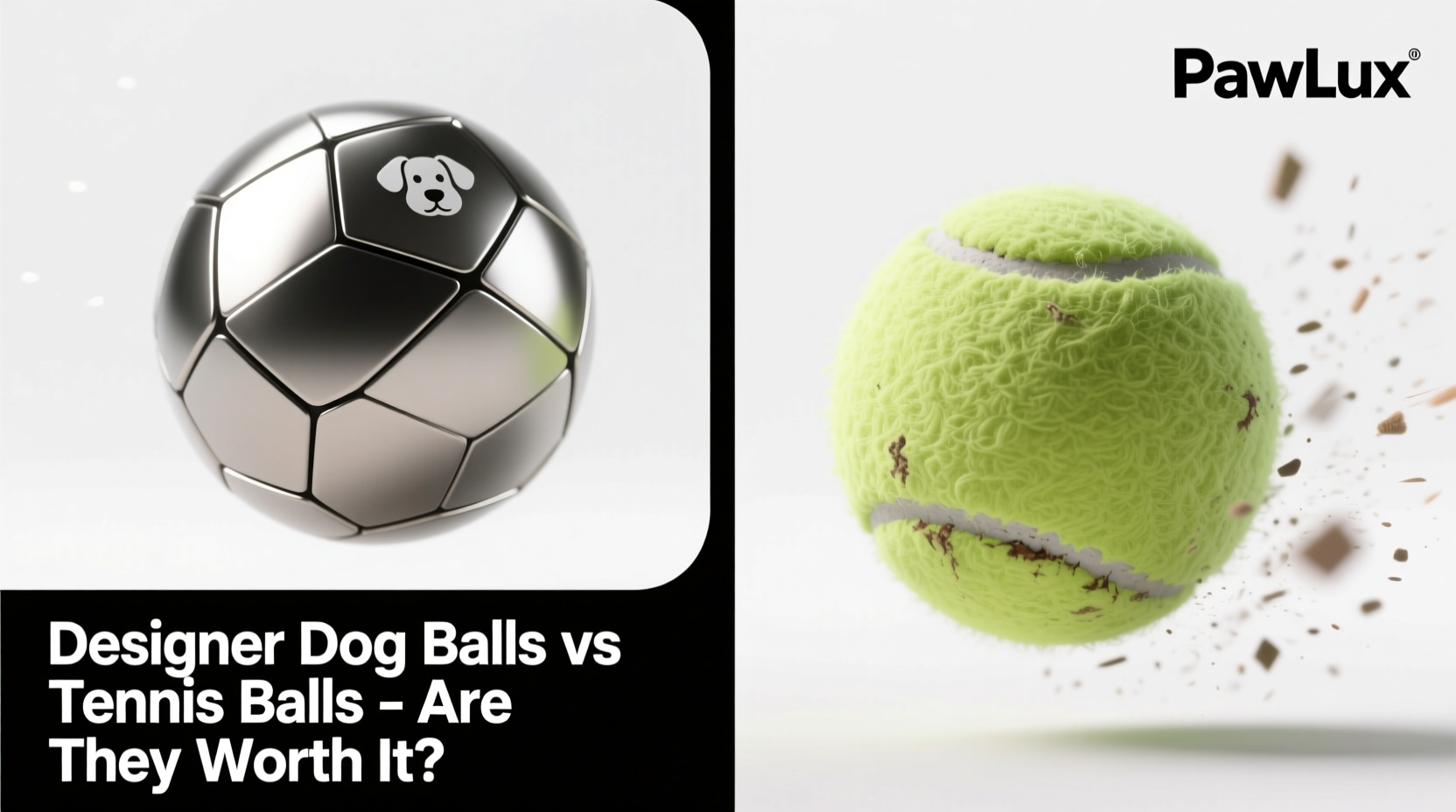
Tennis balls have been a staple of canine recreation for decades. Their bouncy nature, lightweight build, and availability make them ideal for casual fetch sessions. Most dogs love the erratic bounce and satisfying crunch when they bite down. However, their design wasn’t created for dogs—tennis balls were made for human athletes, not heavy chewing or outdoor mud pits.
Designer dog balls, on the other hand, are engineered specifically for canine use. Brands like Kong, Chuckit!, West Paw, and Outward Hound design their balls with features such as enhanced buoyancy, predictable bounce, scent dispersion for training, and resistance to erratic rolling patterns. Some are even designed to float in water, glow in the dark, or dispense treats during play.
For example, the Kong Air Squeak combines a soft outer layer with internal squeakers that excite noise-loving dogs, while maintaining enough durability to survive moderate chewing. The Chuckit! Ultra Ball, made from high-bounce rubber, offers a consistent trajectory—ideal for owners who enjoy long-distance throws.
Tip: If your dog plays near water, choose a floating ball—most tennis balls sink after absorbing moisture.Safety: What You’re Not Being Told About Tennis Balls
Many owners assume tennis balls are safe because they’re widely used. But veterinarians and canine dentists warn about two major risks:
- Dental wear: The abrasive felt coating acts like sandpaper on your dog’s teeth, especially with aggressive chewers.
- Choking hazards: As tennis balls degrade, they can split into pieces small enough to swallow. Dogs often peel off the felt and ingest it, leading to gastrointestinal blockages.
“Over time, the constant gnawing on tennis balls can wear down canine molars by several millimeters—equivalent to years of natural aging.” — Dr. Lisa Tran, Veterinary Dentist, Pacific Animal Wellness Group
In contrast, most designer balls are made from non-toxic, BPA-free, and FDA-compliant materials. Many undergo rigorous safety testing and are labeled as dishwasher-safe or sterilizable. Some brands even offer recyclable or biodegradable options, reducing environmental impact.
Durability and Long-Term Cost Comparison
At first glance, a $3 tennis ball seems unbeatable. But if your dog destroys one every few days, that adds up quickly—and creates more waste. Designer balls may cost $8–$20 each, but many last months, even with daily use.
To illustrate, consider this comparison over a six-month period:
| Ball Type | Price per Unit | Avg. Lifespan | Balls Needed (6 Months) | Total Cost | Environmental Impact |
|---|---|---|---|---|---|
| Standard Tennis Ball | $3.00 | 3–5 days | 36 | $108 | High (non-recyclable felt, landfill waste) |
| Kong Extreme Ball | $12.99 | 3–6 months | 1–2 | $13–$26 | Low (recyclable rubber, long life) |
| West Paw Zogoflex Qwizl | $16.00 | Indefinite (chew-proof guarantee) | 1 | $16 | Very Low (lifetime warranty, recyclable) |
The data shows a clear trend: while initial investment is higher, premium balls often save money and reduce waste over time—especially for powerful chewers.
Real-World Example: Max the Border Collie Mix
Julia, a dog trainer from Portland, adopted Max, an energetic 45-pound Border Collie mix. Within a week, he was demolishing two tennis balls a day. “I thought I was saving money buying in bulk,” she said, “but I was spending $15 a week and constantly picking up fuzzy debris from the yard.”
After a vet visit revealed early enamel erosion, Julia switched to a Chuckit! Ultra Ball and later upgraded to a Kong Jumbler for interactive play. “The first ball lasted three months. Even now, it’s scuffed but intact. I’ve saved over $200 in six months, and Max still goes nuts for it.”
Her experience reflects a broader shift: when play meets practicality, long-term value outweighs upfront price tags.
Choosing the Right Ball: A Practical Checklist
Not every dog needs a designer ball, and not every expensive ball suits every pup. Use this checklist to make an informed decision:
- ✅ Does your dog chew aggressively? → Choose puncture-resistant rubber (e.g., Kong, West Paw).
- ✅ Do you play near water? → Pick a floating, non-absorbent ball.
- ✅ Is your dog sensitive to noise? → Avoid squeakers unless desired.
- ✅ Do you prioritize eco-friendliness? → Look for recyclable or plant-based materials.
- ✅ Are dental issues a concern? → Skip felt-covered balls entirely.
- ✅ Do you train or play at night? → Consider glow-in-the-dark or scent-enhanced options.
Frequently Asked Questions
Can tennis balls hurt my dog’s teeth?
Yes. The coarse felt acts as an abrasive surface, gradually wearing down enamel—especially in dogs that like to chew. Over time, this can lead to tooth sensitivity, fractures, or costly veterinary procedures.
Are designer dog balls really indestructible?
No ball is truly indestructible, but many premium brands offer “guarantees” or warranties. For example, West Paw provides a one-time free replacement if their Zogoflex toys are destroyed. Still, no toy is safe for relentless power chewers like pit bulls or rottweilers without supervision.
Is it okay to let my dog play with tennis balls occasionally?
Occasional use is generally fine for gentle players. The risk increases with frequency and chewing behavior. If your dog only fetches and doesn’t chew, a tennis ball is likely low-risk. But monitor for wear and discard at the first sign of splitting.
Final Verdict: When Premium Is Worth It
For dogs that merely fetch and return, a tennis ball may suffice. But for chewers, swimmers, frequent players, or dogs with dental sensitivities, designer balls offer measurable benefits in safety, longevity, and overall health. The higher price reflects purpose-built design, safer materials, and engineering tested under real-world conditions.
Moreover, many premium brands support sustainability and ethical manufacturing. West Paw, for instance, makes all products in the USA using recyclable materials, and donates to animal shelters through their “Join the Movement” program.
The real question isn’t whether designer balls are “worth it”—it’s whether you value long-term savings, reduced waste, and your dog’s well-being over short-term convenience.
“Investing in better toys is one of the simplest ways to improve your dog’s quality of life—and your wallet will thank you.” — Rachel Nguyen, Canine Behavior Consultant & Pet Product Evaluator
Take Action Today
Next time you’re about to grab a pack of tennis balls on sale, pause and consider your dog’s actual needs. Try one high-quality ball as a test. Track how long it lasts. Compare the wear to a tennis ball after the same amount of use. You might be surprised by what you discover.
Whether you're solving a chewing problem, avoiding vet bills, or just seeking smarter solutions, upgrading your dog’s toy collection could be one of the easiest wins in responsible pet ownership.
💬 Have a favorite dog ball that survived your pup’s toughest chomp session? Share your story in the comments and help fellow dog lovers make smarter choices!








