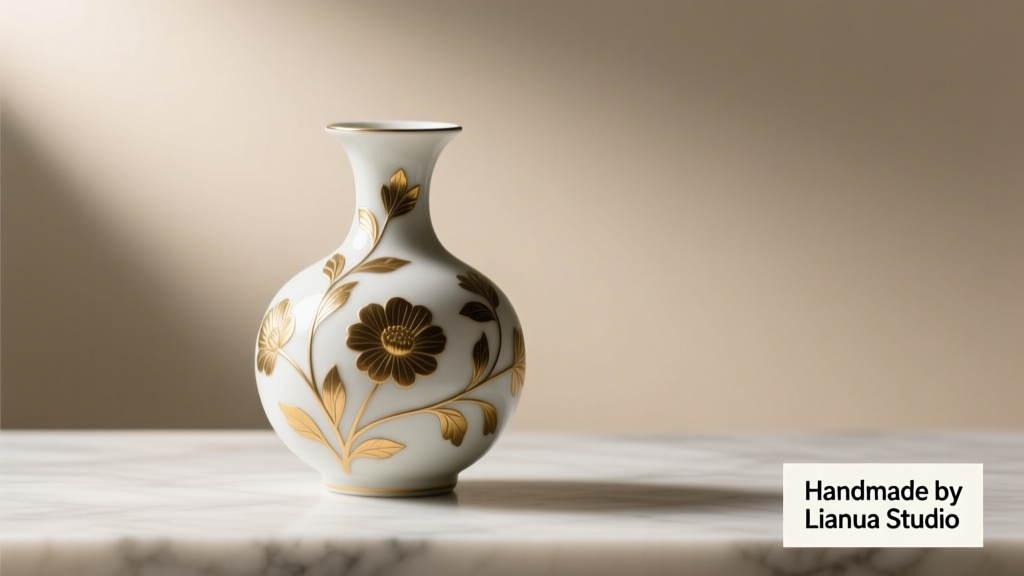
Types of Decorative Bowl Balls
A decorative bowl ball is more than just a home accent—it’s a statement piece that enhances ambiance, reflects personal style, and adds visual interest to any interior space. As a supplier or retailer, offering a diverse selection of decorative bowl balls allows customers to find the perfect match for their décor theme, whether minimalist, rustic, modern, or traditional.
This guide explores the most popular types of decorative bowl balls based on material, highlighting their unique characteristics, aesthetic appeal, and ideal use cases to help buyers and sellers make informed decisions.
Ceramic Balls
Handcrafted from high-quality clay and fired to perfection, ceramic bowl balls are prized for their artistic finish and tactile appeal.
Advantages
- Versatile in design (matte, glossy, hand-painted)
- Excellent for zen and calming interiors
- Durable with proper care
- Adds warmth and texture to spaces
Limitations
- Potentially fragile (can chip or crack)
- Heavier than some alternatives
- Limited outdoor use
Best for: Living rooms, bedrooms, meditation spaces, and modern bohemian interiors
Wooden Balls
Crafted from solid or engineered wood, these natural pieces bring organic elegance and timeless charm to any environment.
Advantages
- Warm, earthy aesthetic
- Sustainable and eco-friendly (if sourced responsibly)
- Lightweight yet sturdy
- Perfect for minimalist and Scandinavian styles
Limitations
- Susceptible to moisture and warping
- Requires occasional polishing or oiling
- Premium solid wood versions can be costly
Best for: Natural-themed décor, modern rustic homes, office spaces, and eco-conscious interiors
Glass Balls
From crystal-cut masterpieces to softly frosted spheres, glass bowl balls are luminous centerpieces that play with light and color.
Advantages
- High visual impact and elegance
- Reflects and refracts light beautifully
- Available in endless colors and finishes
- Ideal for luxury and formal settings
Limitations
- Fragile and breakable
- Shows fingerprints and dust easily
- Higher-end pieces can be expensive
Best for: Lobbies, dining tables, executive offices, and upscale living rooms
Metal Balls
Forged from brass, bronze, chrome, aluminum, or steel, metal bowl balls offer a sleek, polished presence with industrial or classic flair.
Advantages
- High durability and longevity
- Timeless, modern aesthetic
- Resistant to moisture and wear
- Enhances contemporary and Art Deco themes
Limitations
- Can dent or scratch if mishandled
- May tarnish (especially brass/bronze)
- Heavier than plastic or wood
Best for: Modern apartments, commercial spaces, entryways, and metallic-themed décor
Stone Balls
Carved from natural stone like marble, granite, or onyx, these substantial pieces exude luxury and permanence.
Advantages
- Exceptional durability and weight
- Unique veining and natural patterns
- Feels cool and grounding to the touch
- High-end, museum-quality appearance
Limitations
- Very heavy—requires stable surfaces
- Expensive to produce and ship
- May require sealing (especially porous stones)
Best for: Luxury homes, executive suites, foyers, and nature-inspired interiors
| Material | Durability | Aesthetic Appeal | Style Compatibility | Average Price Range |
|---|---|---|---|---|
| Ceramic | Medium | High | Zen, Boho, Modern | $15 – $60 |
| Wooden | Good | High | Rustic, Minimalist, Natural | $20 – $100+ |
| Glass | Medium | Very High | Luxury, Contemporary, Classic | $25 – $150 |
| Metal | Excellent | High | Modern, Industrial, Art Deco | $30 – $120 |
| Stone | Excellent | Exceptional | Luxury, Nature-Inspired, Traditional | $80 – $300+ |
While all decorative bowl balls serve the primary function of enhancing visual appeal, their material defines their character, maintenance needs, and ideal placement. Choosing the right type depends on the intended environment, décor theme, and customer preferences.
Expert Tip: When marketing decorative bowl balls, group them by theme (e.g., "Zen Collection" for ceramics, "Nature Series" for wood and stone) to help customers visualize how each piece fits into their space. Bundling complementary items (like a wooden bowl with a ceramic accent) can also boost average order value.
Designs of Decorative Bowl and Ball Sets
Decorative bowl and ball sets are more than just functional accessories—they serve as artistic centerpieces that enhance interior aesthetics. With removable bases for versatility and ease of use, these sets offer both practicality and visual appeal. Thoughtfully designed patterns and textures allow them to seamlessly integrate into various décor styles, from modern minimalist to traditional rustic. Understanding the most popular design categories helps buyers and designers choose pieces that align with their space and personal taste.
Geometric Shapes
Geometric designs are a hallmark of contemporary décor, characterized by clean lines, symmetry, and structured forms. These bowls and balls often feature convex and concave surfaces, creating a dynamic interplay of light and shadow. Multi-faceted cuts, sharp angles, and angular silhouettes give the pieces a sleek, modern elegance that appeals to fans of minimalist and industrial design.
Available in materials such as tempered glass, brushed metal, and glazed ceramic, geometric patterns are ideal for living rooms, entryways, or office spaces where sophistication and clarity are desired. Their timeless yet bold aesthetic ensures strong market appeal and fast turnover among design-conscious consumers.
Floral Patterns
Floral designs remain a perennial favorite in home décor, evoking a sense of nature, serenity, and timeless beauty. These patterns are commonly hand-painted or embossed on ceramic bowl sets, while carved wooden balls bring a rustic charm to the same theme. Delicate petals, vines, and botanical motifs add a soft, organic touch that revitalizes interior spaces.
Perfect for bathrooms, sunrooms, or bedrooms, floral-patterned bowls infuse rooms with a fresh, garden-inspired ambiance. Their classic appeal makes them particularly popular among traditional and cottage-style interiors, offering both elegance and emotional warmth. These designs are especially sought after during spring and summer seasons, making them a reliable choice for seasonal collections.
Abstract Designs
Abstract decorative bowls and balls break free from conventional forms, embracing artistic expression through curvilinear shapes, bold color gradients, and experimental textures. Artists often use techniques like glassblowing, metal etching, or hand-painting to create unique swirls, droplets, and chaotic yet harmonious patterns.
These pieces are especially popular in glass and metallic finishes, where light reflection enhances their visual depth. Ideal for art lovers and creatives, abstract designs serve as conversation starters in modern lofts, galleries, or eclectic living spaces. Their one-of-a-kind nature appeals to customers seeking innovation, individuality, and craftsmanship, ensuring high perceived value and rapid sales in niche markets.
Textured Surfaces
Some of the most captivating designs are those meant to be felt as much as seen. Textured surfaces—featuring small bumps, ridges, grooves, or matte finishes—add a tactile dimension that flat, glossy surfaces cannot match. Crafted from materials like natural stone, hand-carved wood, or sandblasted ceramic, these bowls offer a rich, three-dimensional experience.
The sensory appeal of textured designs makes them ideal for spaces where touch and ambiance matter, such as spa bathrooms, meditation areas, or cozy reading nooks. Beyond aesthetics, the texture adds visual depth and reduces fingerprints or smudges, enhancing both beauty and functionality. These designs resonate with mature audiences and those who appreciate artisanal quality and natural materials.
Color Blocking
Color blocking is a vibrant and impactful design technique that uses bold, contrasting colors in distinct sections to create a striking visual effect. Unlike subtle gradients, color-blocked bowls feature clearly defined areas of color—such as half-blue, half-white or tri-toned gradients—that emphasize simplicity and modernity.
This design is especially popular in contemporary and Scandinavian interiors, where minimalism meets creativity. Its energetic yet balanced appearance makes it suitable for both decorative display and light functional use (e.g., holding keys or small accessories). Color-blocked pieces appeal to younger demographics, creative professionals, and urban dwellers who value playful yet sophisticated design elements.
| Design Style | Best For | Recommended Materials | Target Audience |
|---|---|---|---|
| Geometric Shapes | Modern, minimalist interiors | Glass, metal, ceramic | Design enthusiasts, urban professionals |
| Floral Patterns | Traditional, cottage, bathroom décor | Ceramic, wood, porcelain | Homeowners, seasonal buyers |
| Abstract Designs | Artistic, eclectic spaces | Blown glass, painted metal | Art collectors, creatives |
| Textured Surfaces | Rustic, spa-like, natural themes | Stone, wood, matte ceramic | Mature buyers, wellness-focused |
| Color Blocking | Contemporary, youthful interiors | Glazed ceramic, resin, glass | Young adults, designers |
Pro Tip: When selecting decorative bowl and ball sets, consider the room’s existing color palette and décor style. Geometric and color-blocked designs enhance modern spaces, while floral and textured pieces complement traditional or nature-inspired interiors. Mixing design elements—like a textured base with a color-blocked bowl—can create a layered, curated look.
How to Choose Decorative Bowls & Balls
Wholesalers and retailers of bowl and ball sets play a crucial role in curating products that blend aesthetic appeal with functional value. Understanding the key selection criteria ensures you offer versatile, marketable, and desirable decorative items that meet diverse customer needs—from home decor enthusiasts to interior designers and gift shoppers.
Material Selection and Aesthetic Impact
Decorative bowls and balls are crafted from a wide range of materials—each bringing unique visual, tactile, and emotional qualities to a space. Thoughtful material selection directly influences the perceived value and style compatibility of your product line.
- Glass & Ceramic: Offer elegance with their smooth finishes, transparency, and intricate detailing. Ideal for modern, minimalist, or luxury interiors. Consider offering hand-blown glass or glazed ceramics for premium appeal.
- Wood & Stone: Bring warmth, texture, and a connection to nature. Perfect for rustic, bohemian, or organic-themed spaces. Marble, travertine, and acacia wood are popular for their natural veining and durability.
- Metals: From polished brass and copper to brushed aluminum, metallic finishes add glamour and reflectivity. High-end metals can elevate a centerpiece, while lightweight alloys offer affordability and versatility.
- Eco-Friendly Alternatives: Resin composites, recycled glass, and sustainably sourced wood are gaining traction among environmentally conscious buyers.
Pro tip: Mix materials in sets (e.g., wooden bowl with metallic balls) to create contrast and visual interest.
Functionality and Use Cases
Beyond beauty, decorative bowls serve practical purposes that enhance their marketability. Highlighting functionality in your branding and product descriptions can significantly boost perceived value.
- Small Bowls (3–6 inches): Ideal for entryways or nightstands—perfect for holding keys, jewelry, coins, or daily essentials. Market these as “organizational decor” for clutter-free living.
- Medium to Large Bowls (7–12 inches): Serve as centerpieces on dining tables, coffee tables, or consoles. Can display fruit, potpourri, candles, or decorative balls.
- Extra-Large Floor Bowls (13+ inches): Make bold statements in living rooms or lobbies. Often paired with oversized decorative balls, faux plants, or seasonal decor.
- Decorative Balls: While traditionally used to fill bowls, they also stand alone as sculptural elements. Offer gradient sets, mirrored finishes, or textured surfaces for added dimension.
Marketing insight: Bundle bowls with matching ball sets to increase average order value and simplify customer decisions.
Size, Proportion, and Visual Harmony
Proper sizing ensures both aesthetic balance and functional usability. A mismatched bowl-to-ball ratio can detract from the overall presentation.
- As a general rule, decorative balls should occupy 60–80% of the bowl’s diameter for optimal visual appeal.
- Small bowls (4–5") pair best with 1.5"–2.5" balls; large floor bowls (10"+) suit 3"–5" balls or clusters.
- Offer variety packs with multiple ball sizes to allow customization and creative arrangement.
- Consider nesting bowl sets or graduated ball sets for dynamic displays in retail environments.
Retail tip: Display products in styled vignettes showing proper proportions to guide customer choices.
Style, Theme, and Trend Alignment
Staying attuned to interior design trends ensures your inventory remains relevant and desirable. Different styles resonate with different demographics and spaces.
- Modern & Minimalist: Clean lines, monochrome palettes, matte finishes. Think white ceramic bowls with black resin balls.
- Traditional & Country: Floral patterns, warm wood tones, vintage finishes. Ideal for farmhouse or cottage-style homes.
- Boho & Global: Handcrafted textures, ethnic motifs, mixed materials. Woven rattan bowls with patterned glass balls are highly marketable.
- Luxury & Glam: Metallic accents, crystal elements, mirrored surfaces. Perfect for high-end boutiques and gift markets.
Trend alert: Seasonal themes (e.g., pastel bowls for spring, metallic sets for holidays) can drive repeat purchases.
Durability and Longevity
Even decorative items must withstand handling, cleaning, and everyday use. Emphasizing durability enhances customer satisfaction and reduces returns.
- Ceramic & Glass: Can be fragile; recommend tempered glass or reinforced ceramics for high-traffic areas. Include care instructions in packaging.
- Stone & Metal: Naturally durable and scratch-resistant. Market these as “lifetime decor” for long-term value.
- Resin & Composite Materials: Offer shatterproof alternatives with the look of glass or stone at lower cost.
- Finish Quality: UV-resistant coatings prevent fading; sealed wood resists moisture damage.
Selling point: Brand durable items as “low-maintenance luxury” to appeal to busy homeowners.
Target Audience and Market Positioning
Tailoring your selection to specific customer segments improves sales conversion and brand loyalty.
- Homeowners: Focus on timeless designs that complement existing decor.
- Interior Designers: Offer exclusive, high-end, or customizable pieces in bulk.
- Gift Shoppers: Curate gift-ready sets with elegant packaging and seasonal themes.
- Retail Chains: Provide consistent, scalable inventory with strong shelf appeal.
Strategic insight: Use customer feedback and sales data to refine product offerings seasonally.
Professional Recommendation: Stock a balanced inventory across material types, sizes, and styles to cater to diverse tastes. Prioritize mid-to-high-tier products with strong craftsmanship and aesthetic versatility. For new buyers, offer starter kits (e.g., medium bowl + 3 balls) to reduce decision fatigue and encourage trial. Always highlight both beauty and utility in product descriptions to maximize appeal.
| Customer Type | Recommended Material | Ideal Size Range | Suggested Use |
|---|---|---|---|
| Urban Apartment Dweller | Tempered Glass, Ceramic | 5–8 inches | Table centerpiece, key holder |
| Suburban Family Home | Wood, Stone, Resin | 7–12 inches | Fruit bowl, living room decor |
| Luxury Interior Client | Marble, Brass, Crystal | 8–14 inches | Statement centerpiece, entryway accent |
| Seasonal Gift Buyer | Metallic-coated, Colored Resin | 4–6 inches | Holiday decor, gift set |
Additional Considerations for Wholesalers & Retailers
- Packaging: Attractive, protective packaging enhances perceived value and reduces damage during shipping.
- Color Coordination: Offer sets in trending color palettes (e.g., earth tones, jewel tones) to match current design trends.
- Customization: Explore options for engraving, monogramming, or bespoke designs for premium clients.
- Sustainability: Eco-conscious materials and ethical sourcing can be a strong differentiator in competitive markets.
- Display & Merchandising: Use tiered shelving or styled vignettes to showcase product combinations and inspire purchases.
By strategically evaluating material, functionality, size, style, and durability—and aligning with target market preferences—wholesalers and retailers can curate decorative bowl and ball collections that not only captivate customers but also drive profitability and brand loyalty. Thoughtful product selection, combined with smart marketing, ensures your offerings remain both beautiful and commercially successful.
Scenarios for Decorative Bowls & Balls: Versatile Styling Solutions
Decorative bowl and ball sets are more than just aesthetic accessories—they are versatile design elements that enhance visual appeal across various environments. From residential spaces to commercial settings, these elegant pieces serve both functional and artistic purposes. Below is a detailed exploration of key scenarios where decorative bowls and balls elevate ambiance, improve organization, and create memorable impressions.
Design Tip: Mixing textures (e.g., glass, ceramic, metallic) and colors in bowl and ball arrangements adds depth and sophistication to any space. Consider seasonal color palettes to keep displays fresh and engaging year-round.
1. Home Décor – Enhancing Interior Elegance
Decorative bowls and balls play a pivotal role in interior design by adding visual interest and functional beauty to living spaces. Their adaptability allows them to blend seamlessly into modern, traditional, or eclectic home styles.
- Living Rooms: Small to medium-sized bowls placed on coffee tables or console tables serve as eye-catching centerpieces. Filled with colorful acrylic or glass balls, they reflect ambient light and create a welcoming focal point.
- Dining Areas: Large decorative bowls on dining tables or sideboards act as statement pieces. They can be filled with themed balls—such as pearlized or mirrored spheres—for dinner parties or holiday gatherings.
- Foyer & Entryways: Floor-level bowls or oversized planters with decorative balls add grandeur and set the tone for the rest of the home. Paired with faux greenery or candles, they offer a polished first impression.
Their dual function as both decor and storage (for keys, remotes, or small trinkets) makes them practical yet stylish additions to everyday living.
2. Event Styling – Reusable & Elegant Centerpieces
For event planners and hosts, decorative bowls and balls offer a cost-effective, reusable alternative to perishable floral arrangements. Unlike seasonal flowers, these accessories can be repurposed across multiple events, offering long-term value.
- Weddings: Crystal or glass bowls filled with water-resistant acrylic balls create romantic, luminous centerpieces. When paired with floating candles or LED lights, they emit a soft glow that enhances the ambiance of ballrooms, banquet halls, and outdoor venues.
- Corporate Events & Galas: Metallic or monochrome ball sets in sleek bowls complement formal themes and branding colors. They align well with modern décor in hotels, conference centers, and exhibition spaces.
- Birthday & Holiday Parties: Themed balls (e.g., glittered, pastel, or holiday-colored) in festive bowls add personality and joy to celebrations without requiring refrigeration or special handling.
Their durability and ease of storage make them ideal for rental businesses and repeat-use event planning.
3. Retail Displays – Boosting Product Appeal
In retail environments, presentation is everything. Bowl and ball sets are widely used by boutique owners, jewelers, and cosmetics retailers to create visually compelling displays that attract customer attention and elevate perceived product value.
- Jewelry Stores: Glass or velvet-lined bowls filled with shimmering balls provide a luxurious backdrop for rings, earrings, and necklaces. The reflective surface enhances sparkle and draws focus to fine details.
- Beauty & Cosmetics Counters: Pastel or iridescent balls in clear bowls create a soft, inviting aesthetic that complements skincare and makeup products. They also help organize testers and samples neatly.
- Gift Shops & Boutiques: Themed bowl arrangements (e.g., beach-inspired with blue balls and shells) guide visual storytelling and encourage impulse purchases by creating immersive shopping experiences.
Well-styled displays not only improve organization but also contribute to a clean, high-end store image that influences buying behavior.
4. Office Spaces – Elevating Professional Ambiance
Thoughtful décor in office environments fosters a positive atmosphere for employees and clients alike. Decorative bowls filled with balls or functional items add warmth and sophistication to otherwise sterile workspaces.
- Reception Areas: Attractive bowl sets on reception desks serve as welcoming centerpieces. Filled with candies, mints, or branded promotional items, they encourage guest interaction and leave a lasting impression.
- Executive Desks: Sleek, minimalist bowls with metallic or matte-finish balls offer a professional yet personalized touch, ideal for holding pens, business cards, or stress-relief items.
- Break Rooms & Lounges: Colorful, playful ball arrangements in communal areas can boost morale and create a more relaxed, creative environment.
These subtle décor choices contribute to workplace well-being and reinforce a company’s attention to detail and brand identity.
5. Shelf Styling – Creating Visual Balance
Bookshelves and display cabinets often suffer from visual monotony when filled only with books or uniform items. Incorporating decorative bowls and balls introduces contrast, texture, and intentional negative space.
- Living Room Shelves: Place a small bowl with metallic or colored balls between books and photo frames to break up linear patterns and draw the eye.
- Bathroom Vanities: Mini bowls with smooth, stone-like balls add spa-like elegance and can hold cotton balls, jewelry, or scented stones.
- Kitchen Countertops: Ceramic or stoneware bowls with rustic-textured balls can hold fruit or kitchen tools while doubling as décor.
This styling technique follows professional interior design principles of layering and asymmetry, resulting in a curated, magazine-worthy look.
| Application Area | Ideal Bowl Type | Recommended Ball Style | Key Benefit |
|---|---|---|---|
| Home Living Rooms | Medium glass or ceramic | Colorful acrylic or mirrored | Adds light reflection and visual warmth |
| Weddings & Events | Crystal or clear glass | Water-resistant, luminous | Reusable, elegant centerpiece |
| Retail Jewelry Displays | Velvet-lined or metallic | Pearlized or iridescent | Enhances product sparkle and luxury |
| Office Reception | Sleek, modern design | Matte or metallic finish | Professional, inviting first impression |
| Shelf Styling | Small to medium decorative | Mixed textures and colors | Breaks monotony, adds depth |
Marketing Insight: To boost sales, retailers and e-commerce platforms should showcase decorative bowl and ball sets through high-quality lifestyle photography. Highlighting real-world applications—such as a styled wedding table or a boutique jewelry display—helps customers visualize usage and increases conversion rates.
Maximizing Sales Through Strategic Positioning
The versatility of decorative bowl and ball sets presents a significant opportunity for increased sales when marketed effectively. Consumers are more likely to purchase when they understand the multiple uses beyond basic décor.
- Use targeted advertising to demonstrate applications in homes, offices, and events.
- Create themed bundles (e.g., “Wedding Centerpiece Kit” or “Office Welcome Set”) to simplify purchasing decisions.
- Include styling guides or digital lookbooks to inspire creative use.
- Leverage social media with before-and-after transformations using the products.
By educating buyers on the full range of possibilities, sellers can position these items as essential design tools rather than mere accessories—driving both demand and customer satisfaction.
Frequently Asked Questions About Decorative Bowls and Balls
Q1: Which are the most popular colors for decorative bowl balls?Color selection for decorative bowl balls is highly influenced by interior design trends, personal taste, and the desired ambiance. However, certain colors consistently stand out due to their versatility and aesthetic appeal:
- Whites and Pastels: Ideal for minimalist, Scandinavian, or modern interiors. These soft tones create a clean, airy feel and pair beautifully with natural light and neutral furnishings.
- Wood Tones: Natural wood bowls and balls in warm stains—such as walnut, oak, or cherry—add organic texture and earthy elegance. Varnished finishes enhance grain patterns and durability.
- Clear and Colored Glass: Transparent or tinted glass balls reflect and refract light, adding sparkle and dimension. Popular shades include aqua, amber, ruby red, and smoky gray, which can be used to complement accent colors in a room.
- Metallic Finishes: Silver, gold, and bronze-hued balls or bowls introduce a touch of luxury and warmth. These are especially effective in glam, modern, or transitional decor styles.
- Deep, Rich Hues: Black, navy blue, emerald green, and burgundy bowls with glossy finishes make bold focal points. They work well in contemporary or dramatic settings where contrast and sophistication are key.
When selecting colors, consider the existing palette of your space—coordinating or contrasting colors can elevate the visual impact of your decorative display.
Q2: Are decorative bowls and balls suitable for outdoor use?Most decorative bowls and balls are designed for indoor use, but select materials and finishes can withstand outdoor environments when properly chosen and maintained:
- Weather-Resistant Materials: Stone (like marble or granite), powder-coated metal, and tempered or fused glass are durable options for patios, gardens, or balconies.
- Avoid Delicate Materials: Ceramics, untreated wood, and thin glass may crack or degrade due to moisture, UV exposure, or temperature fluctuations.
- Sealed Finishes: Look for UV-protected coatings or sealants that prevent fading, warping, or corrosion over time.
- Placement Tips: Even weather-resistant items should be placed in sheltered areas (e.g., under eaves or covered patios) to prolong their lifespan.
Retailers and manufacturers should clearly label products as "outdoor-safe" and provide care instructions. Always check product specifications before placing decorative items outside to ensure longevity and safety.
Q3: How can decorative balls enhance the look of a bowl?Decorative balls are a versatile styling tool that can transform a simple bowl into a striking centerpiece. Here’s how they elevate your decor:
- Visual Interest: Combining contrasting colors, textures (matte vs. glossy), and materials (glass, metal, wood) draws the eye and adds depth to the arrangement.
- Volume and Balance: Filling a large bowl with balls prevents it from looking empty or unbalanced, especially on console tables or entryway shelves.
- Thematic Expression: Use seasonal colors (e.g., red and green for holidays) or themed sets (e.g., ocean blues for coastal decor) to reflect changing styles throughout the year.
- Functionality: In high-traffic areas, lightweight, shatterproof balls (like acrylic or foam) are safer and more practical than fragile materials.
- Layering Options: Mix ball sizes or pair them with other elements like candles, greenery, or fabric ribbons for a more dynamic display.
A well-curated bowl with decorative balls becomes both an artful accent and a conversation starter in any room.
Q4: How do various bowl materials affect the price of decorative items?The material is one of the most significant factors influencing the cost of decorative bowls. Each material varies in sourcing, craftsmanship, and perceived value:
| Material | Price Range | Key Influencing Factors |
|---|---|---|
| Ceramic | Moderate to High | Hand-painted designs, unique glazes, artisan craftsmanship, and brand reputation can significantly increase value. |
| Wood | Moderate to Premium | Exotic wood types (e.g., teak, rosewood), intricate carving, and hand-finishing elevate prices. |
| Stone | High | Natural stone (e.g., onyx, alabaster) is costly due to rarity, weight, and labor-intensive shaping and polishing. |
| Glass | Low to Very High | Simple molded glass is affordable, while hand-blown, cut, or stained glass with embedded elements commands premium prices. |
| Metal | Low to High | Base metals (aluminum, tin) are budget-friendly; precious metals (brass, copper, silver) or inlaid designs increase cost. |
Retailers should align pricing with material quality, production method, and target market. Transparent communication about craftsmanship helps customers appreciate value beyond aesthetics.
Q5: How to Maintain and Clean Decorative Bowls and Balls?Proper cleaning and maintenance preserve the beauty and longevity of decorative bowls and balls. Care varies significantly by material:
- Metal Bowls: Wipe with a soft, damp cloth. Avoid abrasive cleaners or prolonged moisture exposure to prevent tarnishing or rust. Use a polishing cloth for metallic finishes to maintain shine.
- Stone Bowls: Clean with a mild soap solution and dry immediately. Do not use acidic or harsh chemicals, as they can etch surfaces like marble or limestone.
- Glass Bowls: Prone to fingerprints and dust. Clean regularly with a glass cleaner or vinegar-water solution and a lint-free cloth for streak-free results.
- Ceramic Bowls: Hand wash only with gentle soap. Avoid dishwashers and soaking, as thermal shock or prolonged water exposure can damage glazes or painted designs.
- Wooden Items: Dust frequently and use a dry or slightly damp cloth. Apply wood conditioner periodically to prevent drying and cracking. Keep away from direct sunlight and humidity.
- Decorative Balls: Clean based on material—glass and metal balls can be wiped down; fabric-covered balls may require spot cleaning. Store in a dry place to prevent discoloration or deformation.
Regular dusting and careful handling go a long way in maintaining the elegance of your decorative pieces. Always follow manufacturer guidelines when available.









