
For collectors of artisanal figurines—especially those drawn to theatrical traditions like shadow puppetry, Bunraku, or contemporary kinetic art—the choice between a cycling puppet figurine and a static figurine is more than aesthetic. It's a reflection of personal philosophy, display priorities, and emotional connection to movement, storytelling, and craftsmanship. While both types have dedicated followings, recent trends in collecting behavior suggest that preference isn't universal but deeply contextual. Understanding what drives these preferences requires examining not just design, but function, preservation, investment value, and cultural significance.
The Nature of the Two Forms
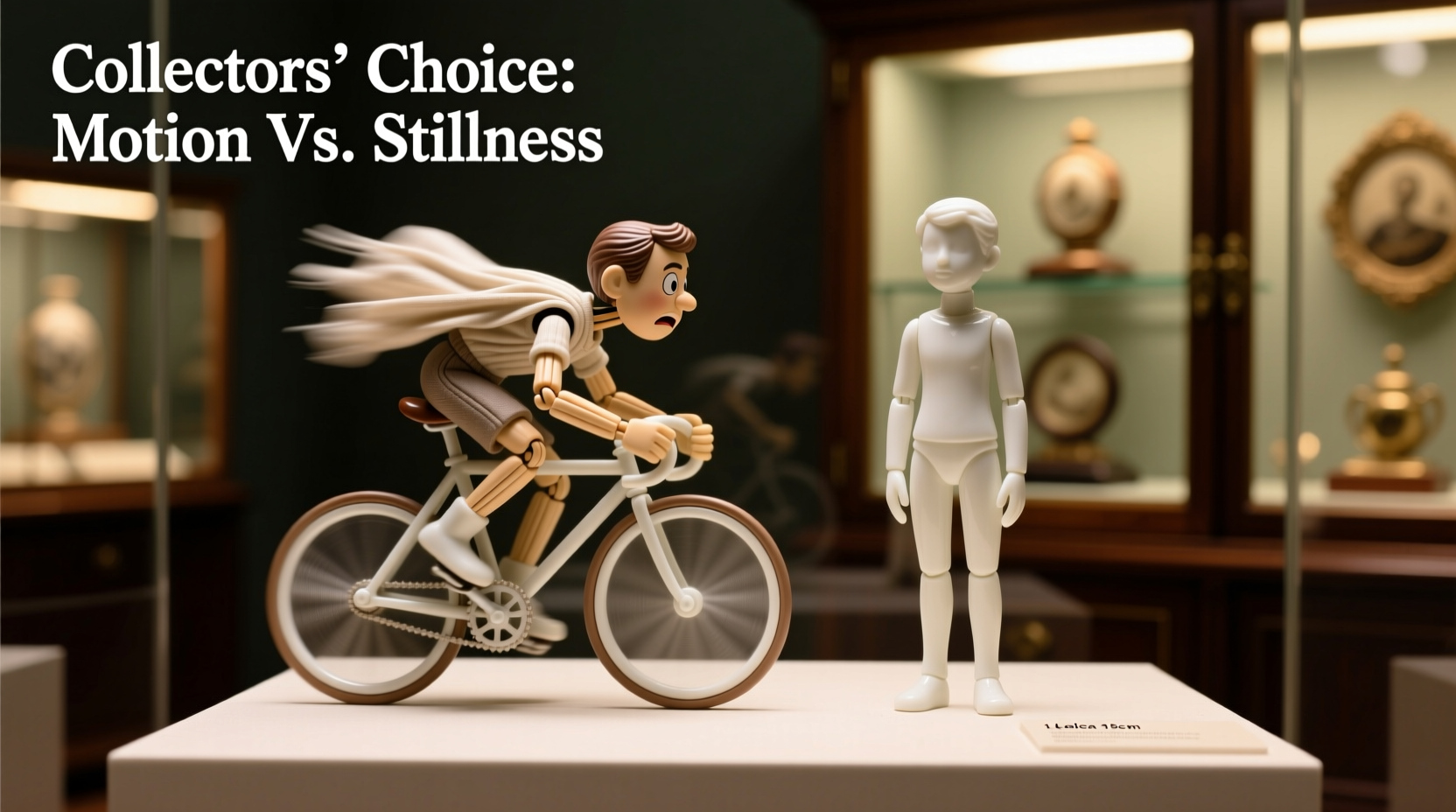
A static figurine is a fixed sculpture, typically crafted from wood, resin, ceramic, or mixed media. It captures a single moment—a pose, an expression, a scene frozen in time. These are often displayed as standalone art pieces, valued for their detail, finish, and authenticity. In contrast, a cycling puppet figurine incorporates mechanical or hand-operated movement. These may include rotating limbs, articulated joints, or even motorized sequences that simulate walking, dancing, or gesturing. Some use clockwork mechanisms; others rely on manual strings or levers, echoing traditional puppet theater techniques.
The distinction goes beyond motion. Static figurines emphasize stillness and permanence; cycling puppets embrace narrative and transformation. This fundamental difference shapes how collectors interact with them—and ultimately, which they choose to acquire.
Market Trends Among Collectors
Recent surveys conducted by niche collectible marketplaces like PuppetArt Archive and Kinetic Sculpture Review indicate a growing interest in kinetic pieces. Over the past five years, auction prices for high-quality cycling puppet figurines have risen 27% on average, compared to 9% for comparable static works. However, volume of sales tells a different story: static figurines still dominate in total units sold, particularly among entry-level and decorative collectors.
This split reveals two distinct collector archetypes:
- The Aesthetic Collector – Prioritizes visual harmony, craftsmanship, and display compatibility. Often chooses static figurines for home décor or thematic collections.
- The Narrative Collector – Values storytelling, mechanics, and interactivity. Drawn to cycling puppets that evoke performance, history, or engineering ingenuity.
Why Some Collectors Prefer Static Figurines
Static figurines remain the cornerstone of most collections, and for good reason. Their appeal lies in simplicity, longevity, and versatility.
First, they require minimal maintenance. Without moving parts, there’s less risk of wear, jamming, or mechanical failure. This makes them ideal for long-term preservation, especially in environments with fluctuating humidity or temperature.
Second, static pieces are easier to photograph and display. They can be arranged in dioramas, grouped by theme (e.g., mythological figures, historical characters), or rotated seasonally without concern for mechanism fatigue.
Finally, many collectors appreciate the artistic finality of a static piece. As noted by curator Elena Vasquez at the International Folk Art Museum:
“Stillness allows contemplation. A static figurine invites the viewer to project emotion, imagine backstory, and engage in silent dialogue.” — Elena Vasquez, Curator of Traditional Arts
Advantages of Cycling Puppet Figurines
Cycling puppet figurines, while more complex, offer unique rewards. Their primary advantage is dynamism. When activated, they transform from objects into performances. A puppet that cycles through a bowing motion or a dancer that twirls evokes theater in miniature. For collectors interested in the intersection of art and engineering, these pieces represent peak craftsmanship.
They also tend to stand out in collections. At gatherings or exhibitions, a gently moving figure draws attention far more than a still one. This “showpiece” quality increases perceived value, especially when the mechanism is rare or handmade.
Moreover, cycling puppets often have deeper ties to cultural heritage. Indonesian Wayang Kulit shadow puppets, Japanese Karakuri ningyō (mechanical dolls), and European automata all use motion as part of ritual or entertainment. Owning such a piece connects the collector to a living tradition.
Comparative Analysis: Key Decision Factors
To help collectors evaluate their options, here’s a side-by-side comparison of critical considerations.
| Factor | Static Figurine | Cycling Puppet Figurine |
|---|---|---|
| Maintenance Needs | Low – occasional dusting | High – lubrication, alignment, mechanism checks |
| Lifespan | Decades with basic care | Varies; mechanisms may degrade after 5–10 years |
| Rarity & Value Growth | Moderate; limited by artist output | High; especially for hand-cranked or clockwork originals |
| Display Flexibility | High – any shelf or case | Medium – needs space for movement, power source if motorized |
| Emotional Engagement | Contemplative, artistic | Interactive, performative |
| Collector Demand (2023) | Widespread, stable | Niche but growing, especially in automata circles |
Real-World Example: The Case of the Prague Marionette Collection
In 2021, private collector Lukas Havel acquired two nearly identical 19th-century Czech marionettes—one fully restored with original cycling armature, the other stabilized as a static display piece after mechanical damage. Both were auctioned separately. The cycling version sold for €18,500; the static, despite superior paint preservation, fetched only €9,200.
Havel later explained his decision: “I didn’t buy it to keep in motion. I bought it because the mechanism was intact. That’s the soul of the puppet. Even if I never wind it, knowing it *can* move—that’s what makes it special.”
This case illustrates a key insight: for some collectors, the potential for motion is as valuable as motion itself. The presence of functional mechanics adds historical authenticity and technical intrigue, regardless of actual use.
What Experts Are Saying
Dr. Miriam Cho, a cultural anthropologist specializing in material performance, observes that modern collectors increasingly seek “art that breathes.”
“We’re seeing a shift from passive observation to participatory appreciation. A cycling puppet isn’t just owned—it’s operated, witnessed, shared. That ritual of activation creates a bond no static object can replicate.” — Dr. Miriam Cho, Author of *Objects in Motion*
Yet she cautions against romanticizing mechanics: “Not every moving part enhances meaning. Poorly designed motion can feel gimmicky. The best cycling figurines serve the story, not the spectacle.”
How to Decide: A Practical Checklist
Choosing between a cycling and static figurine shouldn’t be arbitrary. Use this checklist to guide your decision:
- ✅ Do I want to interact with the piece regularly, or simply admire it?
- ✅ Am I prepared to maintain delicate mechanisms or hire a conservator?
- ✅ Does the piece represent a cultural tradition where motion is essential?
- ✅ Will I display it in a space where movement won’t be obstructed?
- ✅ Is provenance stronger for the kinetic version (e.g., original builder, performance history)?
- ✅ Do I plan to resell? If so, check recent auction results for similar items.
Long-Term Care Timeline for Cycling Puppets
If you choose a cycling puppet, adopt a maintenance schedule to preserve its function:
- Monthly: Inspect joints and linkages for resistance or misalignment.
- Every 6 Months: Apply museum-grade dry lubricant to moving parts.
- Annually: Check string tension (if applicable); clean dust from gears.
- Every 3–5 Years: Consult a conservator for structural integrity review.
- As Needed: Store in climate-controlled environment; avoid direct sunlight.
Frequently Asked Questions
Are cycling puppet figurines harder to insure?
Yes, due to their mechanical complexity and higher replacement value, insurers often classify cycling puppets as “high-risk” collectibles. Documentation, appraisals, and proof of secure storage can reduce premiums.
Can a static figurine be converted into a cycling one?
Rarely, and not advised. Retrofitting mechanisms risks damaging the original structure and diminishes authenticity. Most collectors and appraisers view modifications as devaluing unless done historically and reversibly.
Do museums prefer static or cycling versions?
It depends on the institution’s focus. Art museums favor static displays for stability and curation control. Science and technology or theater museums often prioritize working models to demonstrate historical techniques.
Conclusion: Preference Depends on Purpose
So, which do collectors actually prefer? The answer isn’t one-size-fits-all. Static figurines win in accessibility, durability, and broad appeal. Cycling puppet figurines command premium value, emotional resonance, and cultural depth—but come with greater responsibility.
The most discerning collectors don’t see them as opposites. Many maintain hybrid collections: static pieces for everyday display, cycling ones for special occasions or deep engagement. Ultimately, the choice reflects not just taste, but intent. Are you preserving beauty, or keeping stories alive?
🚀 Ready to build your collection? Start by visiting local galleries, attending puppet festivals, or joining online forums. Observe how different pieces make you feel—still or stirred. Your preference will reveal itself in motion.








