Designing custom baseball t-shirts goes beyond simply printing a logo on fabric. It’s an opportunity to build team identity, boost morale, and create lasting memories. Whether you're outfitting a youth league, a college club, or a weekend recreational squad, the right t-shirt design can unite players and fans alike. A well-thought-out shirt reflects your team’s spirit, values, and style—while standing out on and off the field.
This guide walks through the essential elements of creating impactful baseball t-shirts, from concept to final product. You'll find actionable strategies, real-world examples, and expert insights that help you avoid common pitfalls and produce apparel that resonates with everyone involved.
1. Define Your Team Identity First
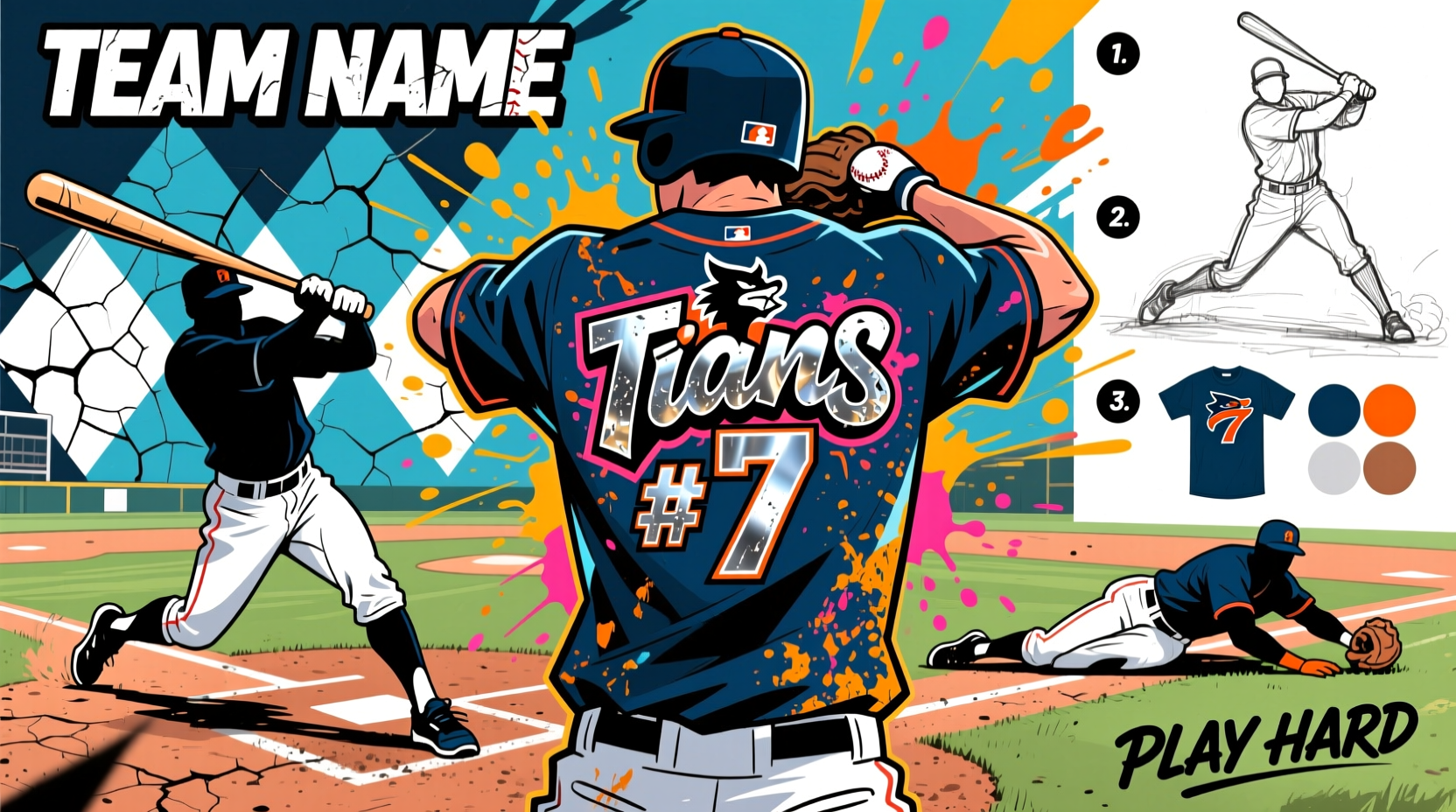
Before sketching designs or selecting fonts, take time to define what your team represents. Is it about tradition? Humor? Resilience? Community pride? The answers shape every visual decision.
A strong team identity ensures consistency across uniforms, social media, and merchandise. For example, a high school team might emphasize school colors and mascot pride, while an adult co-ed league could lean into playful slogans and inside jokes.
Tip: Hold a short team meeting to brainstorm core values, favorite colors, nicknames, and memorable moments. Use this input as inspiration.Ask questions like:
- What emotions do we want people to feel when they see our shirts?
- Do we prefer bold graphics or minimalist style?
- Should the design appeal more to players, parents, or spectators?
Clarifying these points early prevents confusion later and helps designers (whether internal or outsourced) deliver results aligned with your vision.
2. Choose the Right Design Elements
Effective baseball t-shirt designs balance aesthetics with functionality. Here are key components to consider:
Colors and Contrast
Select colors that reflect your team but also ensure readability. High-contrast combinations—like navy and white or red and black—make text and logos pop. Avoid using too many colors; three is usually sufficient for clarity and cost efficiency.
Typography
Font choice sets the tone. Blocky, athletic fonts suggest strength and competitiveness. Script fonts may work for vintage-inspired themes but should remain legible. Always test font size: names and numbers should be readable from at least 10 feet away.
Graphics and Logos
Custom illustrations, stylized mascots, or abstract patterns add personality. If using your team logo, ensure it's high-resolution (at least 300 DPI). Simplify complex artwork so it scales well on different sizes.
“Great sports apparel doesn’t just look good—it tells a story in seconds.” — Marcus Lin, Sports Branding Consultant
Placement Strategy
Common placements include:
- Chest: Ideal for small logos or player names
- Center front: Best for large graphics or slogans
- Sleeve: Subtle branding or sponsor tags
- Back: Perfect for full-name rosters, motivational quotes, or dramatic artwork
3. Step-by-Step Guide to Designing Your Baseball T-Shirt
Follow this structured process to bring your idea to life efficiently and effectively.
- Gather Input: Survey team members for ideas on themes, colors, and messages.
- Create a Mood Board: Compile images, fonts, and color palettes that capture your desired vibe.
- Draft Initial Concepts: Sketch rough versions by hand or use free tools like Canva or Adobe Express.
- Select Final Design: Vote as a group or appoint a design committee to choose one version.
- Choose Garment Style: Decide between crewnecks, V-necks, fitted or relaxed cuts based on comfort and climate.
- Pick Printing Method: Options include screen printing (durable, best for bulk), DTG (detailed, small runs), or heat transfer (budget-friendly).
- Order Samples: Print one or two prototypes to evaluate fit, print quality, and wash durability.
- Finalize & Order: Adjust if needed, then place full production order with delivery timeline in mind.
4. Real Example: How the Riverbend Little League Transformed Their Look
The Riverbend Little League in Oregon had worn generic blue tees for years. When new coach Lisa Tran took over, she wanted something more engaging. She led a workshop where kids drew their ideal jersey. Themes of eagles, speed, and teamwork emerged.
Lisa collaborated with a local designer to merge those ideas into a dynamic eagle-in-flight motif, paired with bold yellow accents on navy shirts. Player names were printed vertically down the left sleeve—a unique twist that stood out at tournaments.
Within a season, parents reported increased enthusiasm. “My son wears his shirt even on non-game days,” said one parent. The design became so popular it was adopted for future seasons and inspired other teams in the district.
5. Do’s and Don’ts: Design Dos and Pitfalls to Avoid
| Do’s | Don’ts |
|---|---|
| Use vector files for clean, scalable artwork | Use low-resolution JPEGs from Google searches |
| Test print on actual fabric swatches | Assume digital mockups match real-life output |
| Include sizing chart when ordering | Guess sizes based on standard retail labels |
| Wash sample shirt before game day | Wear untested shirts in competition without checking for shrinkage or fading |
| Leave room for future additions (e.g., sponsor patch) | Fill every inch of space—clutter reduces impact |
6. Frequently Asked Questions
How much does it cost to design and print custom baseball t-shirts?
Costs vary by quantity, material, and printing method. Basic screen-printed shirts start around $8–$12 per unit in bulk (50+ pieces). Premium fabrics or full-color DTG prints can go up to $20 each. Design services may be free with some vendors or cost $50–$200 if hiring independently.
Can we include player names and numbers?
Absolutely. Names and numbers enhance personal connection and recognition. Place names above the number on the back, or use individual numbering on sleeves. Confirm spelling with each player to avoid errors.
What’s the best fabric for baseball t-shirts?
100% cotton offers softness but may shrink. Cotton-polyester blends (e.g., 50/50) resist shrinking and wicking moisture better, making them ideal for active wear. Tri-blend fabrics provide a vintage drape and are great for fashion-forward looks.
7. Checklist: Preparing for Production
- ☐ Finalize team name and slogan
- ☐ Collect player input on design preferences
- ☐ Choose primary and secondary colors
- ☐ Select font styles and logo placement
- ☐ Confirm garment type and sizes (include youth/adult options)
- ☐ Pick a reputable printing company with sports experience
- ☐ Request a digital proof and physical sample
- ☐ Schedule delivery before first game or event
Bring Your Team Vision to Life
Designing baseball t-shirts isn’t just about clothing—it’s about crafting a shared symbol of unity and pride. With thoughtful planning, collaborative creativity, and attention to detail, your team can wear its identity with confidence. From the dugout to the stands, a great design speaks volumes without saying a word.
💬 Ready to design your team’s next iconic look? Start today by gathering your squad for a brainstorm session—and don’t forget to share your final creation online to inspire others!








