As urban living spaces shrink and cycling grows in popularity, finding room for a bike at home has become a common challenge. Whether you own one commuter bike or a family fleet, storing it securely and efficiently is essential. Poor storage leads to damage, tripping hazards, and wasted space. The good news? With smart planning and the right techniques, you can keep your bikes safe, accessible, and out of the way—without sacrificing style or functionality.
Why Smart Bike Storage Matters
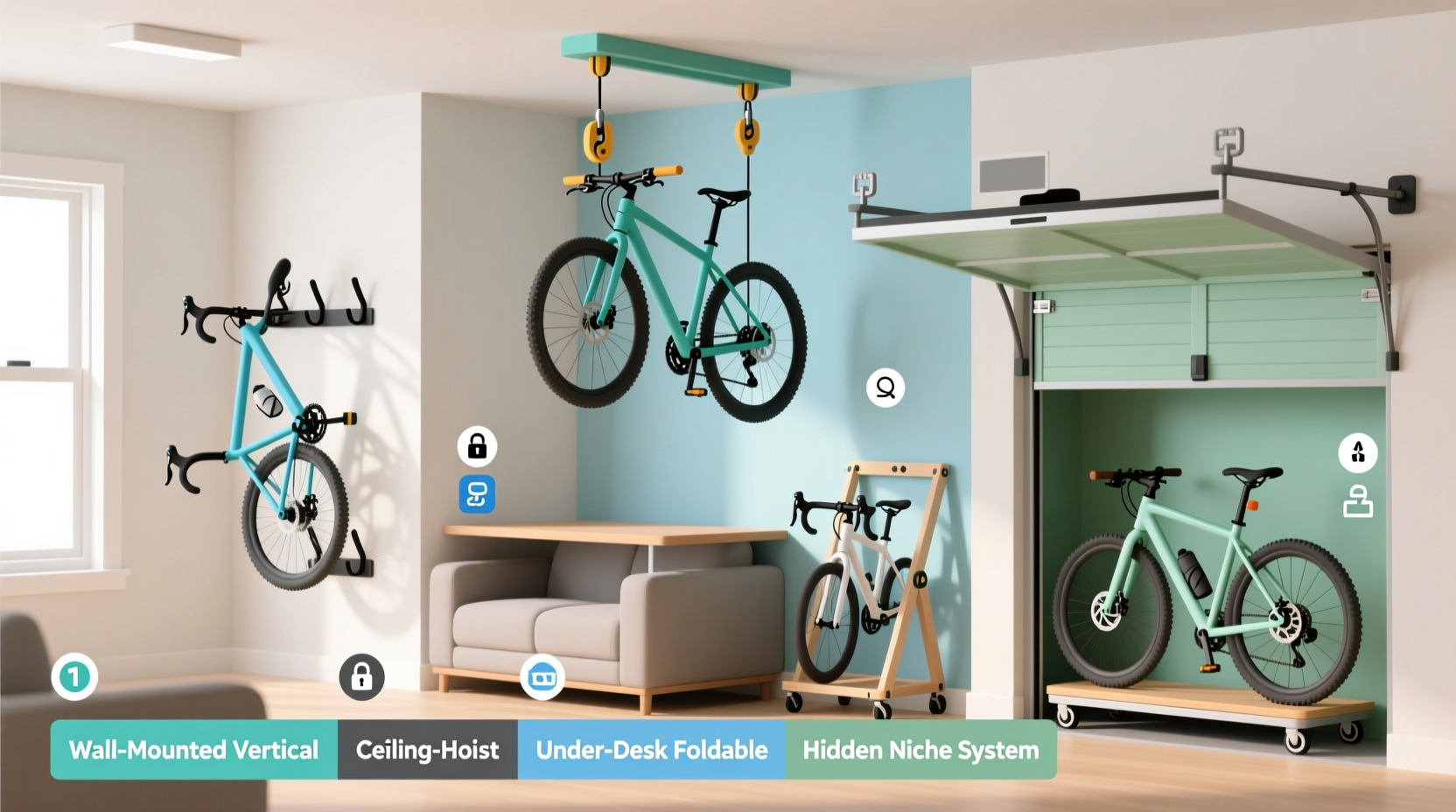
Bikes are more than just transportation—they’re investments. A well-maintained bicycle can last decades, but improper storage accelerates wear on chains, tires, and frames. Exposure to moisture causes rust; leaning against walls damages paint; and leaving bikes in high-traffic areas increases the risk of accidents.
Additionally, indoor storage deters theft—a critical concern in cities. According to the National Bike Registry, over 1.5 million bicycles are stolen annually in the U.S., with most taken from porches, garages, or unlocked outdoor racks. Storing your bike inside not only protects it but also ensures it’s ready when you are.
“Indoor storage is the single most effective way to extend your bike’s lifespan and prevent theft.” — David Lin, Urban Cycling Safety Consultant
Wall-Mounted Storage: Maximize Vertical Space
Walls are underutilized real estate in most homes. Wall-mounted systems free up floor space and keep bikes organized. There are several types of wall storage, each suited to different needs and room layouts.
- Horizontal Wall Racks: These hold bikes parallel to the wall, ideal for garages or long walls. They work best when you have multiple bikes and need quick access.
- Vertical Wall Hooks: Simple J-hooks screwed into wall studs can suspend a bike by its wheel. Affordable and easy to install, they’re great for single-bike households.
- Folding Wall Mounts: These swing out from the wall when in use and fold flat when not—perfect behind doors or in narrow hallways.
Step-by-Step: Installing a Wall Hook System
- Choose a sturdy wall section near an entry point or garage door.
- Use a stud finder to locate wooden or metal supports.
- Mark two points 28–32 inches apart (depending on bike width).
- Drill pilot holes and secure heavy-duty hooks with lag screws.
- Hang the bike by the front wheel, ensuring it swings freely without hitting furniture.
Ceiling Hoists: Out of Sight, Within Reach
If floor and wall space are limited, ceiling storage is an elegant solution. Ceiling hoists lift bikes vertically using pulley systems, suspending them safely overhead. They’re particularly effective in garages, basements, or studios with high ceilings.
These systems typically include adjustable straps and locking mechanisms to secure the frame. Some models even allow tilting for easier access. While installation requires drilling into ceiling joists, the payoff is significant: complete floor clearance and protection from dust and foot traffic.
| Storage Type | Space Efficiency | Installation Difficulty | Best For |
|---|---|---|---|
| Wall Hooks | High | Easy | Small apartments, single bikes |
| Ceiling Hoist | Very High | Moderate | Garages, multi-bike homes |
| Floor Stand | Low | Very Easy | Display areas, workshops |
| Folding Rack | High | Moderate | Hallways, tight corners |
Compact & Foldable Solutions for Tight Spaces
In studio apartments or shared homes, every square foot counts. Fortunately, innovative products cater specifically to compact living.
- Folding Bike Racks: These wall-mounted units pivot outward to hold the bike and fold flush when empty. Brands like FlipRack and CycleGlide offer sleek designs that blend into modern interiors.
- Corner Mounts: Utilize often-neglected corner space with triangular brackets designed to cradle a bike diagonally.
- Magnetic Racks: Strong neodymium magnets hold lightweight bikes (especially e-bikes with aluminum frames) against steel surfaces—ideal for metal garage walls or shed interiors.
Folding bicycles themselves are another angle: models like the Brompton or Tern GSD eliminate storage issues altogether. When folded, they fit under beds or in closets and weigh as little as 25 pounds.
Mini Case Study: The Brooklyn Brownstone Dilemma
A couple in a 700-square-foot Brooklyn apartment struggled to store two full-sized bikes without blocking their only hallway. They installed a ceiling hoist in their basement storage unit, which they accessed via a rear stairwell. Using a remote-controlled electric pulley system, they could raise and lower bikes in under 30 seconds. The result? Unobstructed living space and peace of mind knowing their bikes were locked indoors.
Tip: Combine ceiling storage with a lockable cage or tarp cover for added security and dust protection.Dos and Don’ts of Home Bike Storage
| Do’s | Don’ts |
|---|---|
| Store bikes indoors to prevent weather damage | Leave bikes outside overnight |
| Use padded mounts to avoid frame scratches | Lean bikes against painted walls |
| Keep drivetrains clean before storage | Store dirty or wet bikes indoors |
| Lock bikes to fixed structures even indoors | Rely solely on removable racks |
DIY vs. Pre-Built: Choosing the Right System
While pre-fabricated racks from brands like Yakima, Monkey Bars, or Magliner offer reliability and sleek design, DIY solutions can be cost-effective and customizable.
For example, repurposing old wooden pallets into wall-mounted cradles adds rustic charm. PVC pipe holders cut to size can gently cradle wheels. However, DIY options require careful engineering—especially for heavier e-bikes, which can exceed 50 pounds.
“Custom doesn’t mean compromised. If you're building your own rack, always test load capacity with extra weight before trusting it with your bike.” — Lena Torres, Mechanical Engineer & Bike Enthusiast
FAQ
Can I store my bike upside down?
Not recommended for bikes with hydraulic brakes. Inverting can cause air bubbles in brake lines, leading to reduced performance. Use upright or horizontal mounts instead.
How do I prevent tire dry rot during long-term storage?
Keep tires inflated to recommended pressure and store away from direct sunlight and heat sources. Consider rotating the tires slightly every few weeks to prevent flat spots.
Are ceiling hoists safe for carbon fiber frames?
Yes, but only if the hoist uses soft cradles or straps that distribute pressure evenly. Never hang a carbon bike by a single point like the seat post or handlebar.
Checklist: Secure & Smart Bike Storage Setup
- ✅ Assess available space: wall, ceiling, or floor?
- ✅ Measure bike dimensions including handlebar width and height
- ✅ Choose a mount rated for your bike’s weight (add 20% margin)
- ✅ Install into structural supports (studs or joists)
- ✅ Clean and dry bike before storage
- ✅ Use locks or tether cables even indoors
- ✅ Test stability by gently shaking the mounted bike
Conclusion
Storing a bike at home doesn’t have to mean cluttered corners or compromised safety. With thoughtful solutions—from wall hooks to ceiling lifts—you can protect your ride, reclaim valuable space, and maintain a tidy living environment. The key is matching the storage method to your space, lifestyle, and bike type. Whether you're in a high-rise condo or a suburban garage, there's a smart, space-saving option that works.
💬 Ready to declutter and secure your ride? Evaluate your current setup today and implement one of these proven storage strategies. Share your space-saving hack in the comments below!








