For urban cyclists, the bicycle waist chain has evolved from a functional anti-theft device into a personal statement. Many riders want to personalize their gear, and one of the simplest ways is by attaching a keychain. However, doing so carelessly can compromise security, create noise, or even damage the chain’s integrity. The challenge lies in balancing individuality with practicality. This guide explores tested, inventive, and safe methods to integrate a keychain into your waist chain setup—without weakening its primary purpose: protecting your bike.
Why Attach a Keychain to Your Waist Chain?
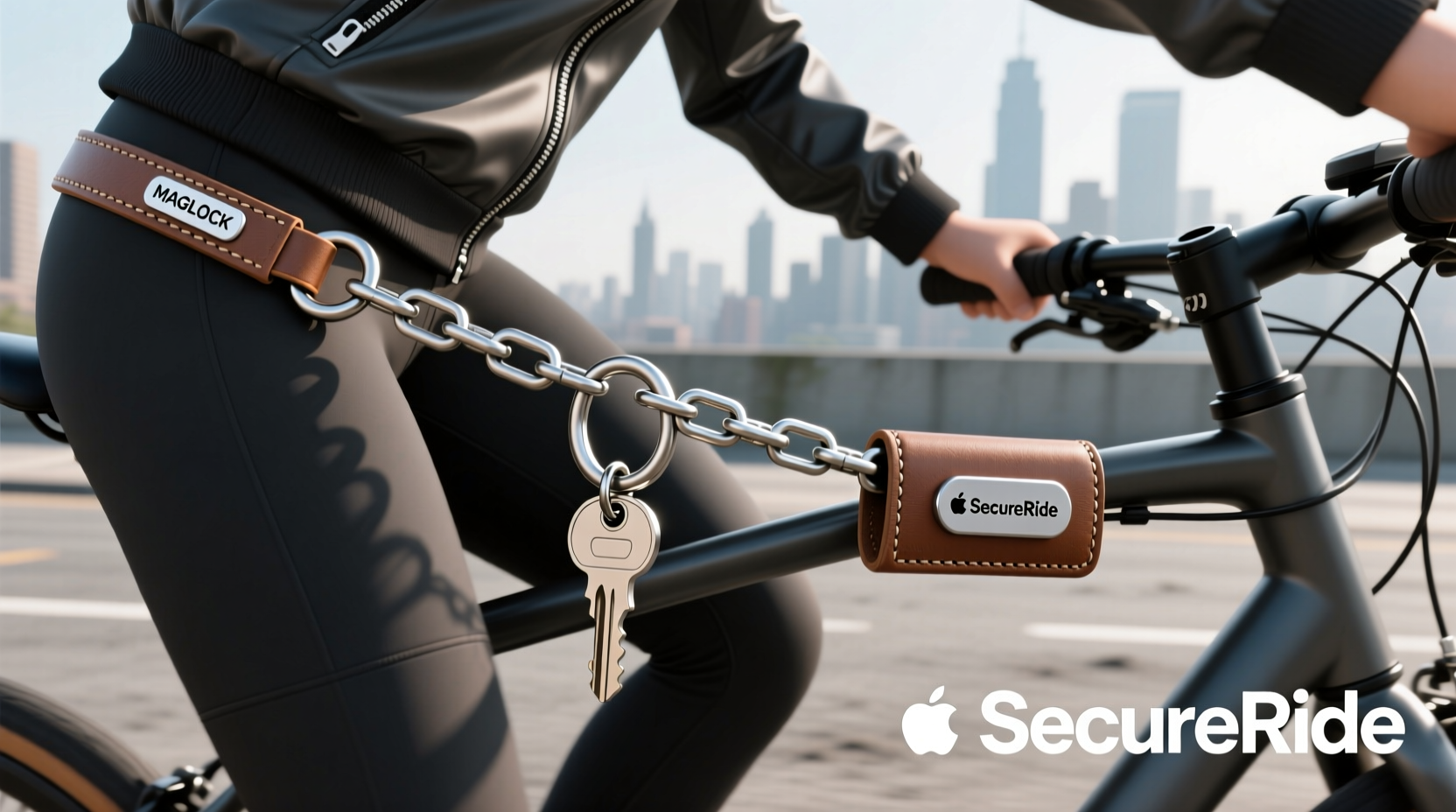
The waist chain serves as both a deterrent and a physical barrier against theft. But beyond security, it's often worn daily, making it a visible part of a rider’s identity. Adding a keychain transforms it from purely utilitarian to expressive. Whether it’s a small token of motivation, a lucky charm, or a branded tag, the addition can boost confidence and connection to your ride.
That said, improper attachment risks snagging on clothing, damaging the chain links, or creating weak points vulnerable to bolt cutters. The goal is to personalize responsibly—ensuring aesthetics don’t undermine function.
Tip: Always test any modification in a low-risk environment before relying on it during high-theft commutes.Secure Attachment Methods That Work
Not all keychains are created equal, nor are all attachment techniques. Below are five reliable, field-tested approaches that maintain structural integrity while allowing for customization.
1. Use a Mini Carabiner on a Non-Load-Bearing Link
Select a link near the end of the chain that isn't under tension when locked. Clip a small, locking carabiner to this link and attach your keychain to it. Opt for titanium or aircraft-grade aluminum carabiners—they’re lightweight, strong, and corrosion-resistant.
This method isolates the keychain from stress zones, minimizing wear on both the chain and the decorative element.
2. Integrate a Decorative Shackle Pin
Some heavy-duty chains use removable shackle pins to connect segments. Replace the standard pin with a custom-forged version that includes a small loop or bail at the end. This loop can then hold a minimalist keychain or charm.
A blacksmith or metal artisan can fabricate such a pin using hardened steel to match the chain’s durability. Ensure the new pin meets or exceeds the original’s tensile strength.
“Personalization should never come at the cost of structural reliability. If you modify hardware, have it professionally rated.” — Derek Lin, Urban Cycling Security Consultant
3. Magnetic Snap Attachment (Non-Metallic Version)
Instead of physically linking the keychain, consider a magnetic tether system made from high-tensile nylon webbing with embedded rare-earth magnets. Attach one side to a non-critical chain link using a silicone-lined clamp; the other holds the keychain. When clipped together, they form a secure but easily detachable bond.
Use only non-metallic magnets to avoid attracting unwanted attention from thieves who might mistake them for tools or signals.
4. Braided Paracord Sleeve with Embedded Charm
Weave a section of paracord around a short segment of the chain using a cobra stitch. Before completing the weave, thread a small keychain or emblem into the braid. Once tightened, the item becomes encased within the cord, protected from snagging.
Paracord adds grip and slight cushioning while concealing the keychain securely. Choose UV-resistant cordage to prevent fading in sunlight.
5. Custom Link Replacement
Replace one standard link in the chain with a forged custom link that features an integrated eyelet or engraved surface. A metalsmith can design a link that maintains load-bearing capacity while offering a built-in point for keychain attachment.
This approach requires professional fabrication and certification of strength. It’s ideal for riders investing in long-term, personalized security gear.
Tip: Never replace more than one link unless the entire chain is being custom-built. Multiple modifications increase failure risk.Do’s and Don’ts: Keychain Integration Checklist
| Do | Don’t |
|---|---|
| Attach accessories to non-load-bearing sections | Clip heavy items directly to tensioned links |
| Use locking mechanisms like screw-gate carabiners | Rely on flimsy key rings that can twist open |
| Choose lightweight, compact charms (under 1 oz) | Add bulky items that catch on clothing or bags |
| Inspect attachments weekly for wear | Ignore signs of fraying or metal fatigue |
| Consult a professional for permanent modifications | Weld or drill chain components yourself |
Real-World Example: How Maya Personalized Her Commute Gear
Maya, a courier in Portland, uses a 4-foot hardened steel waist chain daily. After months of plain use, she wanted to add her late grandmother’s engraved locket—a small silver oval weighing just 0.6 ounces. Rather than risk damage or loss, she worked with a local bike security vendor to install a titanium micro-shackle with a built-in loop at the free end of her chain.
The locket now hangs securely via a miniature carabiner. It doesn’t interfere with locking maneuvers, doesn’t swing freely, and passes visual inspection every week. “It feels like she’s riding with me,” Maya says. “But I know my bike’s still protected the same way.”
Step-by-Step: Safely Adding a Keychain to Your Waist Chain
- Evaluate your chain’s design: Identify which links bear load and which are stationary or decorative.
- Select a lightweight keychain: Keep weight under 1 ounce to minimize stress.
- Choose an attachment method: Prefer non-invasive options like carabiners or sleeves unless working with a custom chain.
- Install with proper tools: Use pliers with smooth jaws to avoid scratching metal surfaces.
- Test functionality: Lock and unlock your bike multiple times to ensure the keychain doesn’t impede operation.
- Monitor regularly: Check monthly for signs of wear, corrosion, or loosening.
Frequently Asked Questions
Can attaching a keychain weaken my waist chain?
Yes—if done incorrectly. Drilling holes, welding dissimilar metals, or overloading links can reduce tensile strength. Stick to external, non-invasive attachments to preserve integrity.
Are magnetic attachments safe?
Only if they don’t rely on ferromagnetic materials that could attract tampering tools. Use ceramic or coated neodymium magnets enclosed in rubber or silicone housings, and ensure they don’t interfere with locking mechanisms.
Will a keychain draw attention from thieves?
Possibly. Flashy or noisy additions may make your setup more noticeable. Opt for subtle, quiet designs in neutral colors to maintain a low profile while still expressing individuality.
Final Thoughts: Express Yourself Without Compromise
Your bicycle is an extension of your lifestyle—practical, mobile, and deeply personal. The waist chain doesn’t have to be purely industrial; it can reflect who you are, as long as safety remains paramount. By choosing smart integration methods, prioritizing material quality, and respecting mechanical limits, you can carry meaning alongside security.
Whether it’s a tribute, a symbol of resilience, or simply a splash of color in a monochrome commute, your keychain can ride with you—securely and proudly.
💬 Have a unique way of personalizing your cycling gear? Share your story in the comments and inspire others to ride with purpose and personality!








