
Whether you're a tennis enthusiast, a badminton player, or a regular at the squash court, your racket bag is more than just gear storage—it's an extension of your routine. One small but critical detail often overlooked? How you secure your keys. A loose keychain rattling inside your bag can lead to lost keys mid-match, scratched rackets, or even accidental damage to other equipment. The solution lies in attaching your keychain securely, both for convenience and safety. This guide explores reliable, stylish, and functional methods to keep your keys where they belong.
Why Securing Your Keychain Matters
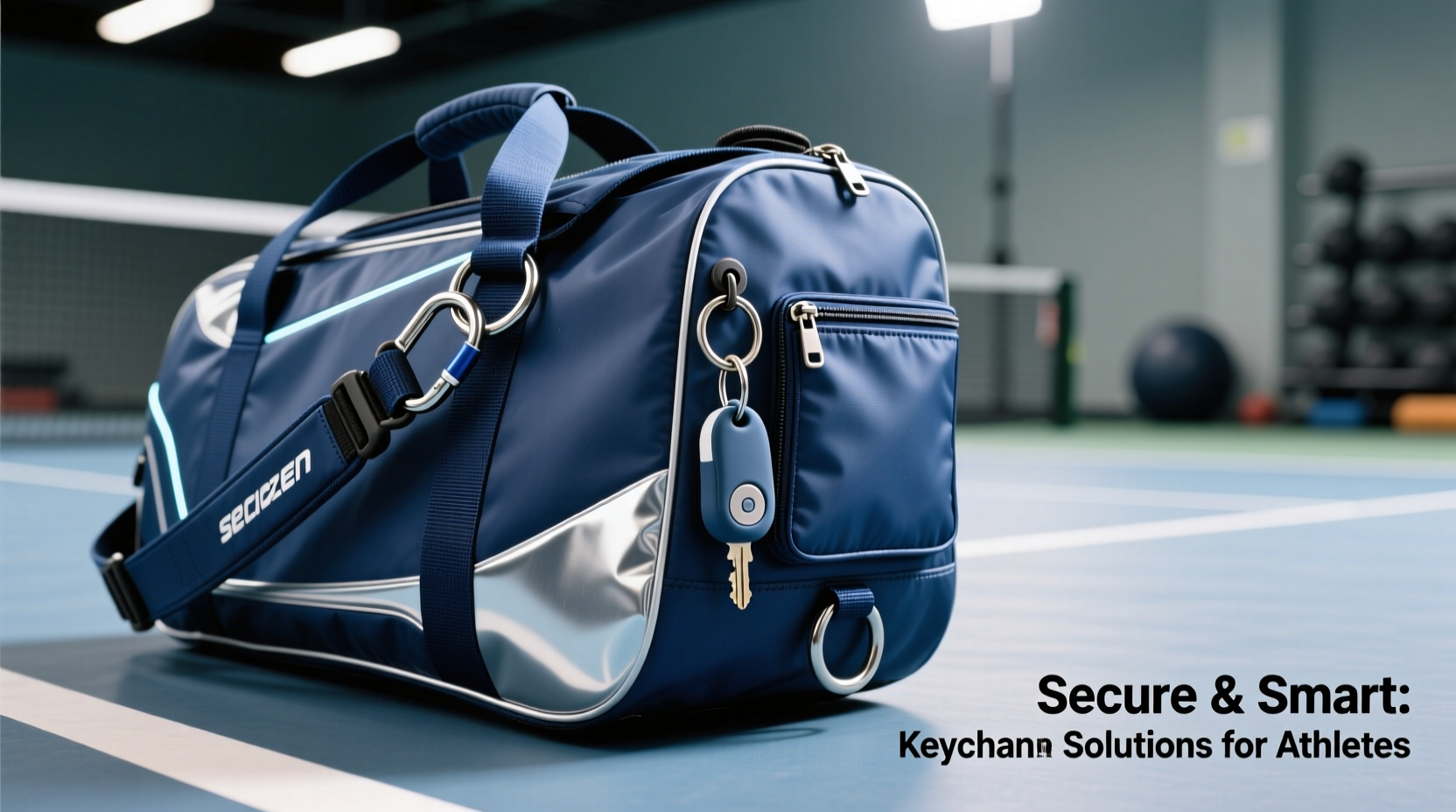
A dangling keychain might seem harmless, but it can cause real issues. Keys bouncing around inside a racket compartment may scratch expensive graphite frames or damage grommets. If stored loosely in pockets, they can slip out when zipping or unzipping compartments. Beyond equipment risks, losing keys during a match or commute adds unnecessary stress. A securely attached keychain enhances organization, reduces clutter, and ensures quick access when needed.
“Players who organize their gear efficiently report better focus and fewer distractions before and after matches.” — Coach Marcus Lin, Sports Equipment Specialist
5 Practical Methods to Attach a Keychain Securely
Not all attachment methods are created equal. The best approach depends on your bag’s design, how frequently you access your keys, and whether you prioritize speed, security, or aesthetics. Below are five tested techniques.
1. Use a Carabiner Clip on a D-Ring
Most racket bags feature D-rings near the handles or side pockets. These metal loops are designed for accessories. Attach a small carabiner clip to the ring and loop your keychain through it. Opt for a locking carabiner if you want extra security against accidental opening.
Tip: Choose a low-profile carabiner to avoid snagging on clothing or other gear.2. Install a Magnetic Key Holder Inside a Zippered Pocket
For a sleek, hidden solution, use a slim magnetic key holder. Stick the base inside a zippered pocket (preferably one with a soft lining), and attach the metal disc to your key fob or keyring. The magnet keeps keys firmly in place while allowing one-handed retrieval.
This method works especially well for players who dislike external attachments or want a minimalist look. Ensure the adhesive is strong and applied to a clean surface for long-term hold.
3. Sew a Key Leash into the Bag’s Interior Lining
If you’re comfortable with light DIY, sewing a fabric or nylon key leash directly into the interior of a pocket offers permanence and reliability. Use heavy-duty thread and reinforce the stitching points. A 6–8 inch strap with a snap button or lobster clasp gives flexibility without excess bulk.
This is ideal for high-use bags that endure frequent travel. Once installed, the leash stays hidden until needed, reducing tripping hazards or entanglement with other items.
4. Utilize a Retractable Reel Mount
Common in industrial settings, retractable key reels are now available in compact, sport-friendly versions. These devices mount via adhesive or screw and automatically retract the keychain after use. Attach the reel to the side or handle area of your bag using a waterproof mounting plate.
The benefit? Your keys are always within reach but never loose. Just pull to extend, release to retract. Perfect for players who frequently access their keys—like those who park far from courts or manage multiple bags.
5. Integrate a Key Slot into a Custom Bag Tag
Create a personalized bag tag with a built-in key slot. Many online services offer durable vinyl or leather tags with engraved names, phone numbers, and a small loop for keys. Attach the tag to the zipper pull or handle, combining identification and functionality.
This doubles as a security measure—if your bag is misplaced, someone can contact you directly. Plus, a unique tag makes your gear instantly recognizable on crowded benches.
Comparison Table: Attachment Methods at a Glance
| Method | Security Level | Accessibility | Installation Effort | Best For |
|---|---|---|---|---|
| Carabiner on D-ring | High | Very High | Low | Casual players, quick access |
| Magnetic holder (internal) | Medium-High | High | Low-Medium | Minimalists, protection-focused |
| Sewn key leash | Very High | Medium | High | Durable setups, frequent travelers |
| Retractable reel | High | Very High | Medium | Active users, multitaskers |
| Custom bag tag with key slot | Medium | Medium | Low | Identification + utility combo |
Step-by-Step: Installing a Magnetic Key Holder
One of the most user-friendly upgrades you can make. Follow these steps to install a magnetic key holder inside your racket bag:
- Choose the location: Pick a zippered interior pocket with smooth, flat fabric—avoid areas near seams or electronics.
- Clean the surface: Wipe the spot with rubbing alcohol and let it dry completely.
- Peel and stick: Remove the backing from the magnetic base and press firmly for 30 seconds.
- Attach the metal disc: Affix the included metal piece to your key fob or keyring. If it’s a bare key, wrap it in tape first to prevent scratching.
- Test the hold: Place the keys on the magnet and gently shake the bag to ensure they stay put.
- Allow curing time: Wait 24 hours before regular use to maximize adhesive strength.
Real-World Example: From Frustration to Function
Julia, a club tennis player from Portland, used to lose her keys at least once a month. She’d toss them into her bag’s front pocket, only to find them missing after practice. After replacing her keys twice and damaging a racket string bed from loose keys bouncing inside the main compartment, she decided to act.
She installed a retractable reel on the side of her bag using a silicone adhesive pad. Now, her keys extend smoothly when needed and retract automatically. “It’s such a small change,” she says, “but I haven’t lost anything since. Plus, I don’t have to dig around anymore—I grab and go.”
Checklist: Secure Your Keychain in 5 Minutes or Less
- ☐ Identify a secure attachment point (D-ring, pocket, handle)
- ☐ Select your preferred method (carabiner, magnet, reel, etc.)
- ☐ Gather tools (adhesive, screwdriver, needle/thread if needed)
- ☐ Install the attachment securely
- ☐ Test by shaking the bag gently to simulate movement
- ☐ Label keys or add ID for backup security
Frequently Asked Questions
Can I attach a keychain without modifying my bag?
Yes. Non-invasive options like carabiners, magnetic holders, and bag tags require no permanent changes. These are ideal if you rent equipment, share bags, or want to preserve warranty conditions.
Will a magnetic holder damage my keys or electronics?
Modern neodymium magnets are safe for standard metal keys. However, avoid placing them directly against smartphones, credit cards, or pacemakers. Keep at least 2 inches of separation from sensitive devices.
What’s the most secure option for frequent travelers?
A sewn-in key leash or locking carabiner provides the highest resistance to loss, especially during flights or transit. Combine this with a luggage tag for full traceability.
Final Thoughts: Small Details, Big Impact
Attaching your keychain securely isn’t just about preventing loss—it’s about refining your routine. When every item in your racket bag has a designated place, you spend less time searching and more time playing. Whether you choose a simple clip or a custom solution, the goal is consistency and reliability. Take five minutes today to evaluate your current setup. A few adjustments now can save frustration later—and keep your gear in top condition.
💬 How do you keep your keys secure on the court? Share your favorite method or innovation—we’d love to hear what works for you!








