When sudden storms roll in, having a reliable umbrella can mean the difference between arriving at your destination dry or drenched. But not all umbrellas are built the same—especially when it comes to handling strong winds. Two of the most common types, compact and golf umbrellas, serve different purposes and perform differently under pressure. While one prioritizes portability, the other emphasizes coverage and stability. So, which type truly stands up better in gusty conditions? The answer isn’t as simple as size or weight—it lies in design, materials, and structural engineering.
Understanding Wind Resistance in Umbrellas
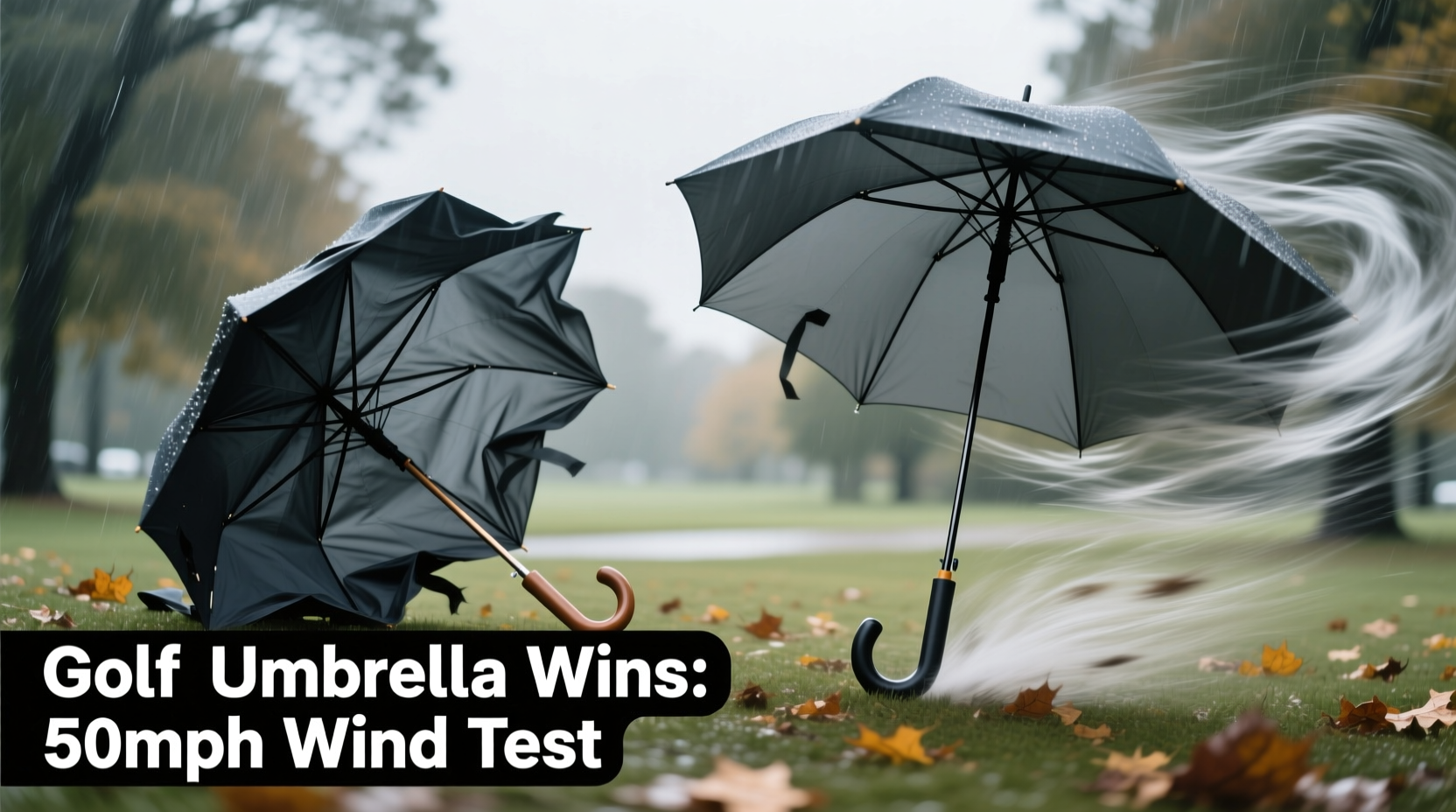
Wind resistance refers to an umbrella’s ability to maintain its shape and function during high-wind conditions without flipping inside out, breaking ribs, or snapping the shaft. Several factors contribute to this resilience:
- Fabric tension: Tightly woven canopy material resists air penetration and reduces sail effect.
- Ventilation design: Vented canopies allow wind to pass through, reducing pressure buildup.
- Rib construction: Flexible yet durable ribs (often fiberglass) absorb shock better than rigid metal ones.
- Shaft strength: A reinforced central pole prevents bending or snapping.
- Canopy shape: Aerodynamic domes deflect wind more efficiently than flat surfaces.
These elements vary significantly between compact and golf umbrellas, affecting their real-world performance when the wind picks up.
Tip: Look for umbrellas with double canopy ventilation—this feature allows wind to escape from both top and bottom layers, minimizing inversion risk.Compact Umbrellas: Portability Over Power?
Compact umbrellas are designed for convenience. They fold down into small cylinders that fit easily into purses, briefcases, or coat pockets. Their lightweight nature makes them ideal for urban commuters and travelers who value space-saving gear. However, this emphasis on portability often comes at the cost of structural integrity.
Most compact models use thinner fiberglass or aluminum ribs, shorter shafts, and smaller canopies. While these features reduce weight, they also limit surface area for wind deflection and decrease overall rigidity. In moderate breezes, a well-made compact umbrella performs adequately. But when wind speeds exceed 25 mph, many begin to struggle.
A common failure point is the hinge mechanism where the ribs connect to the runner. Repeated stress from gusts can cause fatigue, leading to cracked joints or collapsed frames. Additionally, the tight packing of the canopy may compromise fabric tension, making it easier for wind to catch underneath and flip the umbrella inside out.
“Many compact umbrellas sacrifice durability for convenience. They’re great for light rain, but don’t expect them to last through a coastal storm.” — Daniel Reyes, Product Engineer at WeatherShield Gear
Golf Umbrellas: Built for Coverage and Stability
Golf umbrellas are engineered for maximum protection. With diameters typically ranging from 60 to 68 inches, they provide enough coverage to shield two people—and sometimes even a golf bag. This expansive canopy requires a robust support system, which inherently improves wind resistance.
High-quality golf umbrellas often feature eight or more reinforced fiberglass ribs, a thick central shaft (sometimes dual-layered), and ergonomic handles designed for secure grip. The larger frame distributes wind force across more points, reducing strain on individual components. Many premium models also incorporate vented double canopies, allowing turbulent air to escape rather than build up beneath the dome.
Because they're used frequently on open courses exposed to changing weather, manufacturers prioritize durability. Some brands even subject their golf umbrellas to wind tunnel testing, simulating conditions up to 70 mph. These rigorous standards result in products that are not only larger but structurally superior in adverse weather.
Real-World Example: Commuter vs. Golfer in a Coastal Storm
Consider two individuals caught in a sudden squall near the Jersey Shore—one carrying a standard compact travel umbrella, the other using a full-sized golf model.
The commuter opens their slim black umbrella just as a 30 mph gust hits. Within seconds, the canopy begins to bow inward. Despite trying to angle it into the wind, the umbrella inverts completely, rendering it useless. The thin ribs buckle slightly, and by the time the storm passes, the mechanism no longer retracts properly.
Meanwhile, the golfer unfolds a navy-blue golf umbrella with a vented canopy. Even as crosswinds buffet the course, the umbrella holds firm. Air flows smoothly through the upper vents, preventing pressure accumulation. Though heavy to hold overhead for long periods, the umbrella remains intact throughout the hour-long downpour.
This scenario illustrates how design intent shapes performance. The compact model failed not because it was poorly made, but because its structure wasn't optimized for high-stress environments.
Comparative Analysis: Key Features Side-by-Side
| Feature | Compact Umbrella | Golf Umbrella |
|---|---|---|
| Typical Diameter | 38–44 inches | 60–68 inches |
| Weight | 7–12 oz | 16–24 oz |
| Rib Material | Thin fiberglass or aluminum | Reinforced fiberglass or composite |
| Shaft Construction | Single-section metal or plastic | Dual-layer or auto-locking shaft |
| Ventilation | Rarely included | Common (double canopy) |
| Wind Resistance (Estimated) | Up to 25 mph | 35–70 mph (depending on model) |
| Portability | Excellent | Poor to moderate |
| Durability Rating | ★★☆☆☆ | ★★★★☆ |
The data shows a clear trade-off: compact umbrellas win on convenience, while golf umbrellas dominate in resilience. If wind resistance is your primary concern, the golf umbrella consistently outperforms its smaller counterpart.
What Makes a Windproof Umbrella?
Neither \"compact\" nor \"golf\" guarantees windproof performance. Instead, look beyond category labels and evaluate specific engineering features. True windproof umbrellas—regardless of size—share certain characteristics:
- Fiberglass Ribs: More flexible than metal, they bend without breaking under pressure.
- Double Canopy Design: Creates a gap between layers, letting wind escape through vents at the top.
- Auto-Open Mechanism with Lock: Ensures full extension and stable deployment every time.
- Reinforced Shaft: Often telescoping with locking rings to prevent collapse.
- Ergonomic Grip: Textured or curved handles improve control in slippery, windy conditions.
Some compact umbrellas now incorporate these advanced features, blurring the line between categories. Brands like GustBuster, Repel, and Senz offer pocket-sized models specifically marketed as wind-resistant. These hybrids prove that size doesn’t have to dictate strength—if the engineering is right.
Tip: Don’t judge wind resistance by price alone. A $50 compact may be less durable than a $30 golf umbrella with proper venting and rib reinforcement.Checklist: Choosing a Wind-Resistant Umbrella
Whether you lean toward compact or golf-style, use this checklist to ensure your next purchase can handle gusts:
- ✅ Does it have a vented double canopy?
- ✅ Are the ribs made of flexible fiberglass?
- ✅ Is the central shaft thick and sturdy (not hollow plastic)?
- ✅ Does it feel balanced when opened?
- ✅ Has it been independently tested for wind resistance?
- ✅ Does the warranty cover structural damage from wind?
- ✅ Can it be held securely in one hand during rain and wind?
Answering “yes” to most of these questions increases your chances of getting a truly resilient umbrella—no matter its size.
FAQ: Common Questions About Umbrella Wind Performance
Can a compact umbrella ever be as wind-resistant as a golf umbrella?
Yes—but only if it uses advanced materials and design. Some high-end compact models with double canopies, reinforced ribs, and aerodynamic shaping approach the wind resistance of entry-level golf umbrellas. However, physics limits how much protection a small canopy can offer. Even if structurally sound, a compact umbrella provides less coverage, increasing exposure to side gusts.
Why do golf umbrellas resist wind better even if they’re bigger?
Larger size doesn’t automatically mean worse wind performance. In fact, the increased surface area allows for better distribution of wind load across multiple ribs. Combined with stronger materials and vented designs, this structural advantage offsets the higher wind catch. Think of it like a sailboat: proper design turns wind force into manageable energy rather than destructive pressure.
Is there a middle ground between compact and golf umbrellas?
Absolutely. Mid-size travel umbrellas (around 50–54 inches in diameter) offer a balance. They’re larger than compacts but still pack down reasonably small. Many include partial venting and upgraded ribs, making them suitable for city use in variable weather. For those who walk daily in unpredictable climates, this hybrid option delivers practicality and improved durability.
Final Verdict: Which Stands Up Better in Wind?
When comparing standard compact and golf umbrellas, the golf model wins decisively in wind resistance. Its larger, sturdier build, combined with purpose-driven engineering, enables it to endure conditions that would quickly disable most compact versions. That said, advancements in umbrella technology mean exceptions exist. A premium compact with windproof features may outperform a cheap, non-vented golf umbrella.
The key takeaway is this: prioritize construction over category. If you live in a windy region—coastal areas, cities with tunnel effects, or open campuses—a golf-style umbrella with ventilation and reinforced ribs is your best defense against stormy weather. But if portability is non-negotiable, invest in a high-performance compact model explicitly designed for wind resistance, not just folded size.
“The strongest umbrella isn’t always the biggest—but it’s always the one built to manage airflow and absorb impact.” — Dr. Lena Torres, Materials Scientist specializing in outdoor textiles
Take Action: Upgrade Your Rain Defense Today
Your umbrella shouldn’t fail when you need it most. Whether you're rushing to work, walking the dog, or teeing off on the 18th hole, staying dry starts with smart gear choices. Reconsider what you’re willing to compromise: Do you value pocket space more than reliability? Or would you prefer a heavier, dependable shield that laughs at gales?
Inspect your current umbrella. Does it invert easily? Are the ribs cracked or loose? If so, it’s time for an upgrade. Choose based on your environment, not marketing claims. Read reviews focused on wind performance, check manufacturer specifications, and consider investing in a true windproof model—whether compact or golf-style.
💬 Have a go-to umbrella that survived a hurricane-force gust? Share your story in the comments—your experience could help others find their perfect wind warrior.








