For those seeking an effective cardiovascular workout without dedicating significant floor space, a stepper machine offers a practical solution. Modern lifestyles often mean limited room for bulky gym equipment, making compactness a critical factor when choosing a stepper. Yet size shouldn’t compromise reliability or performance. Today’s market features a range of compact steppers that combine durability, smooth motion, and smart tracking—ideal for apartment dwellers, home office users, or anyone prioritizing efficiency and space-saving design.
Whether you're rehabbing from injury, improving endurance, or aiming to burn calories efficiently, a well-built stepper delivers low-impact aerobic exercise with high returns. The key is selecting a model engineered for stability, consistent resistance, and long-term use—even in tight environments.
Why Compact Steppers Are Gaining Popularity
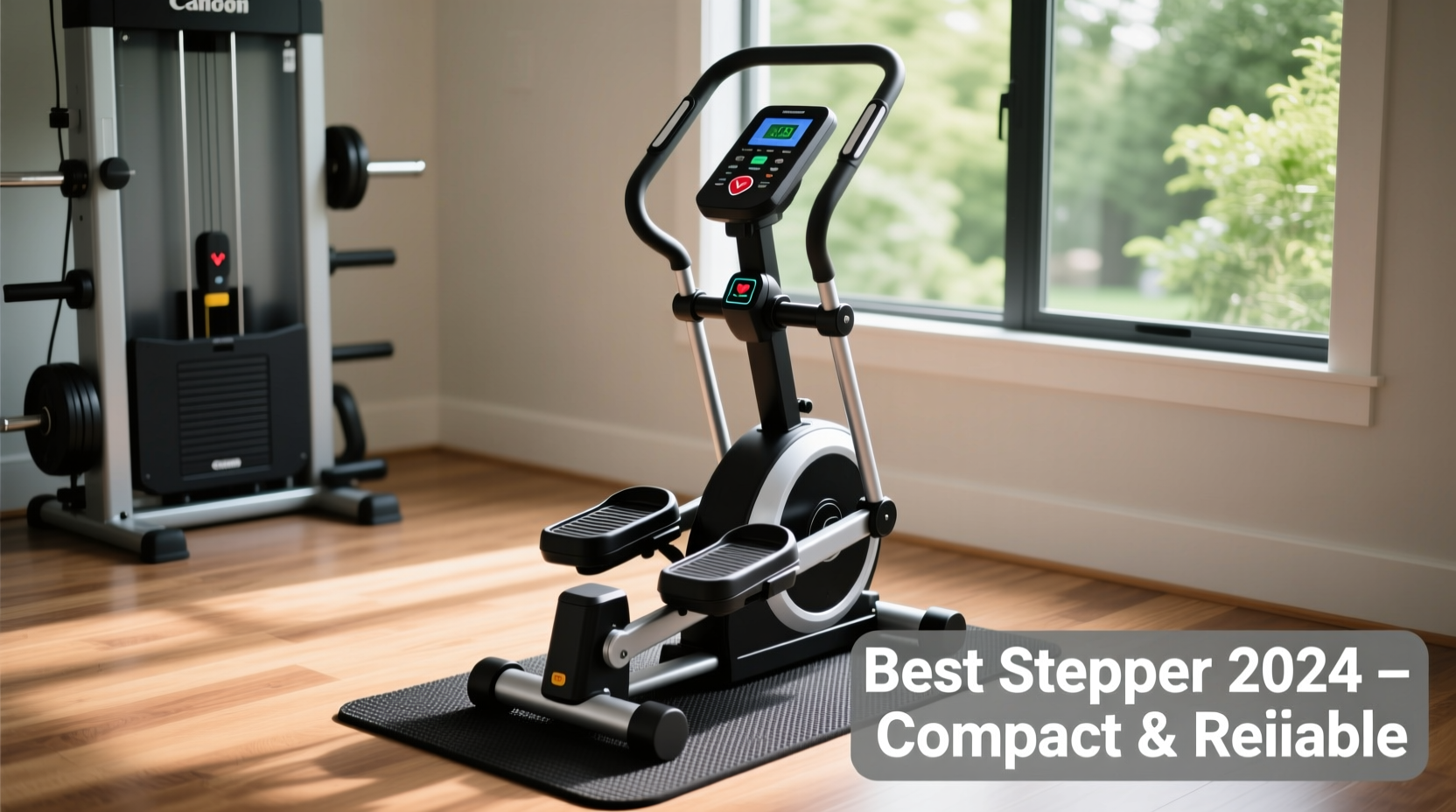
Urban living, multi-purpose rooms, and minimalist home gyms have shifted consumer preferences toward smaller, smarter fitness gear. Stepper machines that fit under a desk, slide behind a door, or tuck beside a sofa are no longer compromises—they’re intelligent investments. These units often feature folding frames, lightweight builds, and non-slip bases designed for safety on hardwood or tile.
Compact doesn't mean underpowered. Many mini steppers now include hydraulic resistance systems, digital monitors, pulse sensors, and even Bluetooth connectivity to sync with fitness apps. Their portability also makes them ideal for travelers or people rotating workouts between rooms.
Tip: Measure your available floor space before purchasing—allow at least 6 inches of clearance around the unit for safe movement.Key Features of Reliable Compact Steppers
Not all compact steppers deliver equal performance. To ensure reliability and longevity, focus on these essential components:
- Sturdy Frame Construction: Look for steel or reinforced composite materials. Avoid flimsy plastic joints that may crack over time.
- Smooth Resistance Mechanism: Hydraulic pistons should operate quietly and consistently. Some models offer adjustable tension dials for progressive training.
- Non-Slip Footplates: Textured surfaces with raised edges prevent foot slippage during vigorous stepping.
- Weight Capacity: A reliable unit supports at least 250–300 lbs. Check manufacturer specs to match your needs.
- Digital Monitor: Tracks time, steps, calories, and heart rate. Backlit displays enhance usability in low light.
- Low Noise Output: Essential for apartments or shared spaces. Well-damped hydraulics reduce clunking sounds.
“Compact steppers can be just as effective as full-size cardio machines when built with quality engineering. Focus on motion fluidity and build integrity.” — Dr. Lena Torres, Exercise Physiologist & Home Fitness Researcher
Top Compact and Reliable Models Compared
The following table highlights five top-rated compact stepper machines known for durability, user satisfaction, and space-efficient design:
| Model | Resistance Type | Max User Weight | Dimensions (in) | Special Features |
|---|---|---|---|---|
| Sunny Health & Fitness Mini Stepper | Hydraulic | 250 lbs | 14 x 12 x 9 | Calorie counter, pulse sensors, quiet operation |
| MERACH Folding Stepper | Electromagnetic | 300 lbs | 18 x 16 x 10 (folded: 5 in height) | Foldable design, app integration, auto-adjusting resistance |
| Stamina ABS Glider | Hydraulic | 250 lbs | 17 x 14 x 10 | Elliptical motion, dual-action arms, LCD display |
| YOSUDA Mini Stepper | Hydraulic | 300 lbs | 15 x 13 x 9 | Extra-wide pedals, anti-slip mat included, silent chain drive |
| Exerpeutic Soft Strider | Spring-assisted | 275 lbs | 20 x 15 x 11 | Natural stride simulation, ergonomic handles, durable joints |
Among these, the MERACH stands out for its smart technology integration, while the YOSUDA excels in pedal stability. For pure simplicity and value, the Sunny Health model remains a customer favorite across online reviews.
How to Choose the Right Stepper for Your Space and Goals
Selecting the best compact stepper involves more than size—it's about matching the machine to your lifestyle and fitness objectives. Follow this step-by-step guide to make a confident decision:
- Assess Your Available Space: Measure the intended area. Consider vertical clearance if using near shelves or cabinets.
- Define Your Workout Style: Do you prefer seated stepping (under-desk use) or standing with arm engagement? Some models include handlebars; others are pedal-only.
- Determine Resistance Needs: Beginners may do well with fixed hydraulic resistance. Intermediate users benefit from adjustable tension or electromagnetic control.
- Test Stability: Read reviews noting wobbling or tipping. Units with wide bases or rubberized feet perform better on slick floors.
- Check Warranty and Support: Reputable brands offer at least a one-year warranty and accessible customer service.
- Set a Realistic Budget: Quality compact steppers range from $80 to $250. Avoid extremely cheap models with poor component ratings.
Real-World Example: Fitting Fitness into a Studio Apartment
Jamal, a software developer living in a 500-square-foot studio in Seattle, wanted to stay active but had no room for traditional equipment. After researching compact options, he purchased the MERACH Folding Stepper for its slim profile and app compatibility. He uses it daily for 20-minute HIIT sessions in the morning and occasionally places it under his standing desk for passive stepping during work calls.
“I was skeptical something so small could feel sturdy,” Jamal said. “But the resistance adjusts smoothly, and I don’t worry about disturbing my downstairs neighbor. It folds flat and slides behind my couch—out of sight by evening.”
Within three months, he reported improved leg strength, better circulation, and a 12% reduction in body fat—all without leaving his apartment.
Frequently Asked Questions
Can a compact stepper provide a full cardio workout?
Yes. When used with proper intensity and form, compact steppers elevate heart rate effectively. Adding arm movements or increasing resistance can boost calorie burn, making them suitable for moderate to vigorous cardio sessions.
Are mini steppers safe for older adults or people with joint issues?
Generally, yes. Steppers offer low-impact motion that’s easier on knees and hips than running. However, consult a healthcare provider before starting any new routine, especially with pre-existing conditions. Models with handrails or stable platforms are recommended for balance support.
Do compact steppers require maintenance?
Minimal upkeep is needed. Wipe down pedals after use, keep the unit dry, and inspect bolts and joints every few months. Hydraulic models may lose pressure over several years, but most last 3–5 years with regular use.
Final Recommendations and Action Steps
The best compact and reliable stepper machines blend engineering precision with thoughtful design. They don’t dominate your space but still deliver measurable health benefits. Whether you're managing weight, building stamina, or simply staying mobile during long workdays, a quality stepper can become a cornerstone of sustainable fitness.
Start by identifying your primary use case—active workouts, passive stepping, or rehabilitation—and prioritize models with proven durability and user feedback. Don’t sacrifice stability for size; a slightly larger but sturdier unit often serves better long-term than an ultra-mini version prone to wear.
“Consistency beats intensity. A compact stepper you actually use every day is infinitely more valuable than a bulky machine collecting dust.” — Mark Delaney, Certified Personal Trainer
Take the Next Step
If you’ve been hesitating due to space concerns, know that effective home fitness doesn’t require a dedicated gym. The right compact stepper fits seamlessly into modern life while supporting real progress. Evaluate your options using the criteria above, read verified buyer experiences, and invest in a machine that aligns with both your environment and goals.
🚀 Ready to upgrade your home fitness setup? Compare the top models today, measure your space, and take the first step toward a healthier, more active routine—without sacrificing square footage.








