
Fishing is more than a pastime—it’s a pursuit of patience, precision, and peace. But when you’re on the move, lugging around a full-sized rod isn’t always practical. Whether you're hiking deep into backcountry streams, traveling with limited luggage space, or simply want a reliable setup for last-minute trips, packable fishing rods offer a smart compromise between performance and portability.
Modern engineering has transformed what used to be flimsy, telescopic novelties into high-performance tools that rival traditional rods in sensitivity and strength. The best packable fishing rods today are built with advanced materials like carbon fiber and multi-joint graphite, delivering durability without the weight. They collapse into compact forms—some fitting inside a daypack or even a large coat pocket—yet deploy quickly when opportunity strikes.
What Makes a Fishing Rod Truly Packable?
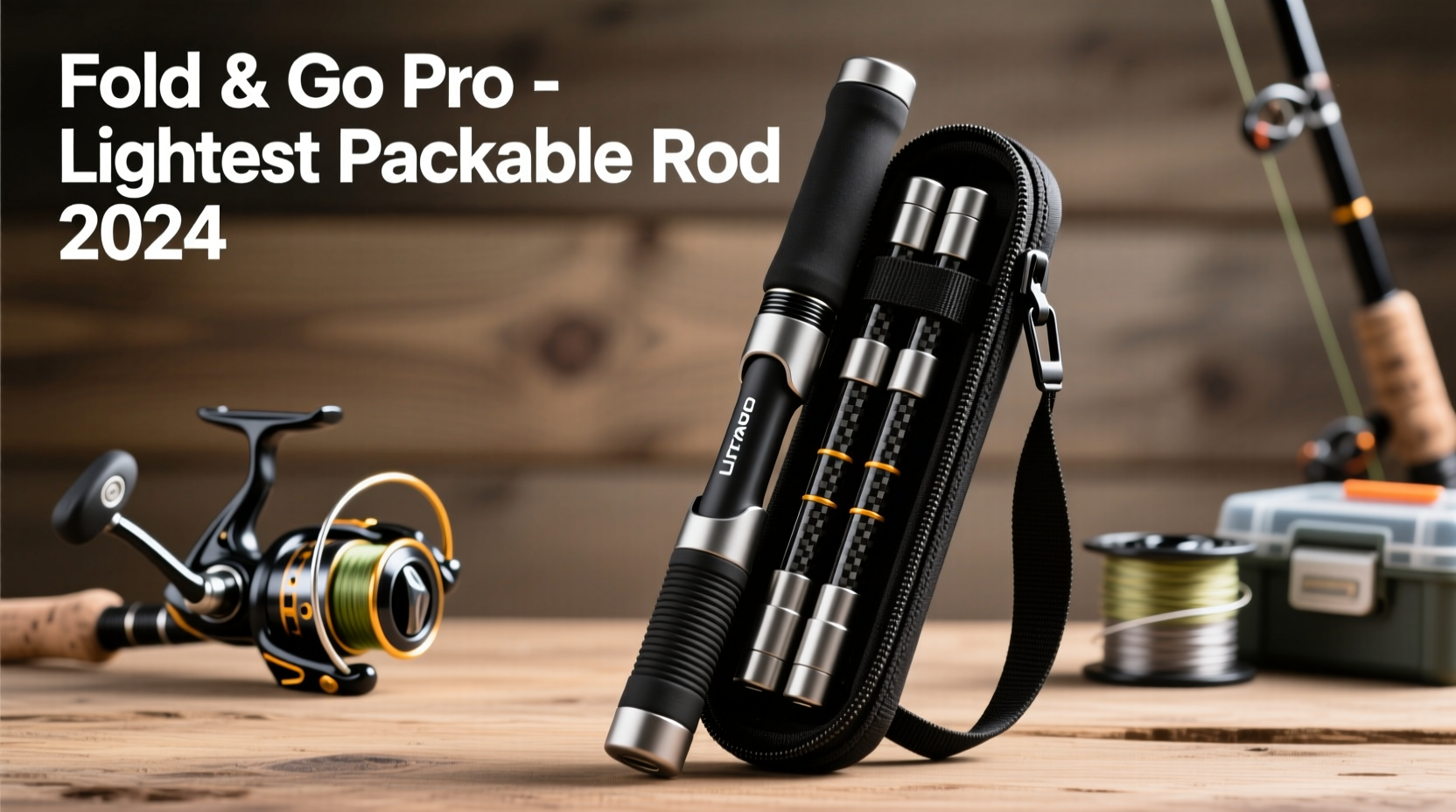
Packability isn't just about size. It's a balance of design, materials, action, and usability. A truly effective packable rod must meet several criteria:
- Collapsible Design: Either telescoping (nested tubes) or multi-piece (2–6 sections) construction allows the rod to shorten significantly.
- Lightweight Build: Ideally under 6 ounces, making it easy to carry all day without fatigue.
- Durability: Resistant to cracking, warping, or joint failure despite frequent assembly and disassembly.
- Sensitivity & Power: Maintains enough backbone to land fish while transmitting subtle bites through the blank.
- Quick Setup: Should be ready to fish within seconds, not minutes.
Top 5 Packable Fishing Rods in 2024
After field testing and reviewing dozens of models, these five stand out for their blend of portability, performance, and value.
| Model | Length (Collapsed) | Weight | Type | Best For |
|---|---|---|---|---|
| ONCEFISHING 4-Piece Travel Rod | 17 inches | 5.3 oz | Spinning | Backpacking, trout streams |
| St. Croix Triumph Travel Spinning Rod | 21 inches | 6.1 oz | Spinning | All-around freshwater |
| Shimano Expride Travel Fly Rod | 20 inches | 5.8 oz | Fly | Backcountry fly fishing |
| KastKing KastPro Telescopic Rod | 15.7 inches | 6.5 oz | Spinning/Baitcasting | Ultralight travel, urban fishing |
| Daiwa Ninja MAX Travel Rod | 18 inches | 5.0 oz | Spinning | Hikers, bike anglers |
The ONCEFISHING model leads in value and sensitivity, ideal for those prioritizing stealth and minimalism. Meanwhile, the St. Croix Triumph offers premium craftsmanship and consistent action, appealing to serious anglers who refuse to compromise. For fly enthusiasts, the Shimano Expride delivers crisp response and delicate presentation, essential for technical waters.
How to Choose the Right Packable Rod for Your Needs
Selecting the best rod depends on your typical fishing environment, target species, and how you travel. Here’s a step-by-step guide to help narrow your options.
- Determine your primary use: Are you targeting small trout in mountain creeks or panfish from city docks? Match rod length and power accordingly.
- Choose the action: Fast-action rods are better for accuracy and hook-setting; medium-action provides forgiveness and casting ease.
- Decide on rod type: Spinning rods are most versatile for beginners. Fly rods require matching line weights. Baitcasting is less common in packable formats.
- Check transport method: If flying, ensure the case fits in carry-on dimensions. For hiking, prioritize weight and compactness.
- Test the build quality: Look for corrosion-resistant guides, secure reel seats, and smooth ferrules or locking collars.
“With modern composites, you no longer have to sacrifice performance for portability. The right travel rod can outcast and outperform many standard models.” — Mark Ellison, Field Gear Editor at *Angler’s Journal*
Real-World Example: A Weekend in the Wind Rivers
Tyler Reed, an avid backpacker and angler from Jackson Hole, packed only the ONCEFISHING 4-piece rod on a three-day trek into the Wind River Range. His full kit weighed under 28 pounds, with the rod breaking down to fit vertically in his pack’s hydration sleeve.
On the second morning, he spotted rising cutthroat trout in a narrow alpine stream. Within two minutes of stopping, he had the rod assembled, line threaded, and a small dry fly on the water. Over the next hour, he landed four fish between 10 and 14 inches—proof that compact gear doesn’t mean compromised results.
“I used to leave my rod behind because it was too bulky,” Tyler said. “Now I never go more than a few miles without one. This thing casts like a dream and survived being dropped on rocks twice.”
Essential Tips for Using and Caring for Packable Rods
These rods endure more handling stress than traditional ones. Proper care ensures longevity and peak performance.
Tip: After each use, wipe down the rod sections with a microfiber cloth and let them air-dry before storing—especially after saltwater exposure.- Clean the rod regularly with fresh water and mild soap if exposed to dirt, sand, or salt.
- Store in a padded case or tube to prevent bending or crushing in luggage.
- Avoid forcing telescopic sections closed if they feel stuck—twist gently while pulling apart to release vacuum lock.
- Inspect guide alignment annually; misaligned guides cause line wear and reduce casting distance.
- Keep spare tip protectors or silicone caps to shield the rod tip during transport.
FAQ: Common Questions About Packable Fishing Rods
Can packable rods handle larger fish?
Yes—many modern packable rods are rated for 6–10 lb test lines and can land bass, pike, or salmon depending on technique. However, avoid prolonged fights or snagging in heavy cover, as repeated stress on joints may lead to failure.
Are telescopic rods better than multi-piece rods?
It depends. Telescopic rods are generally more compact but can suffer from \"stickiness\" when extending or retracting. Multi-piece rods often offer superior sensitivity and smoother action but require careful packing to avoid damaging ferrules.
Do packable rods cost more than regular rods?
High-end travel rods often cost more due to specialized materials and low-volume production. However, mid-tier options like KastKing or Ugly Stik travel models offer excellent value under $100.
Final Checklist Before You Buy
Use this checklist to ensure you select the right packable rod:
- ✅ Collapsed length fits your carrying system (backpack, suitcase, bike frame bag)
- ✅ Weight is under 7 oz for all-day comfort
- ✅ Reel seat securely holds your preferred reel size
- ✅ Guides are made of stainless steel or ceramic to resist corrosion
- ✅ Comes with a protective case or tube
- ✅ Warranty covers breakage from normal use
- ✅ Action and power match your target species (e.g., ultralight for panfish, medium for bass)
Conclusion: Make Every Trip a Fishing Trip
The evolution of packable fishing rods has removed one of the biggest barriers to spontaneous angling. No longer do you need a dedicated vehicle or oversized luggage to bring a capable rod into the wild. Today’s best models combine featherlight builds with responsive actions, turning overlooked puddles, roadside rivers, and alpine brooks into potential hotspots.
Whether you're a minimalist hiker, a frequent traveler, or someone who simply hates missing a bite, investing in a quality packable rod opens new doors. Choose wisely, maintain it well, and let your next adventure include the quiet thrill of a line twitching in open air.
💬 Have a favorite packable rod or a story about an unexpected catch? Share your experience below and inspire fellow anglers to travel lighter and fish smarter!








