Cold water swimming has surged in popularity as both a fitness regimen and mental wellness practice. From icy lakes to winter ocean dips, people are embracing the chill for its invigorating effects. But a critical question arises: when the temperature drops, is a wetsuit truly essential—or can you rely on a standard one-piece swimsuit?
The answer isn’t simply yes or no. It depends on water temperature, swim duration, individual physiology, and experience level. Understanding the science of heat loss, personal risk tolerance, and safety protocols is key to making an informed decision.
Understanding Cold Water Risks
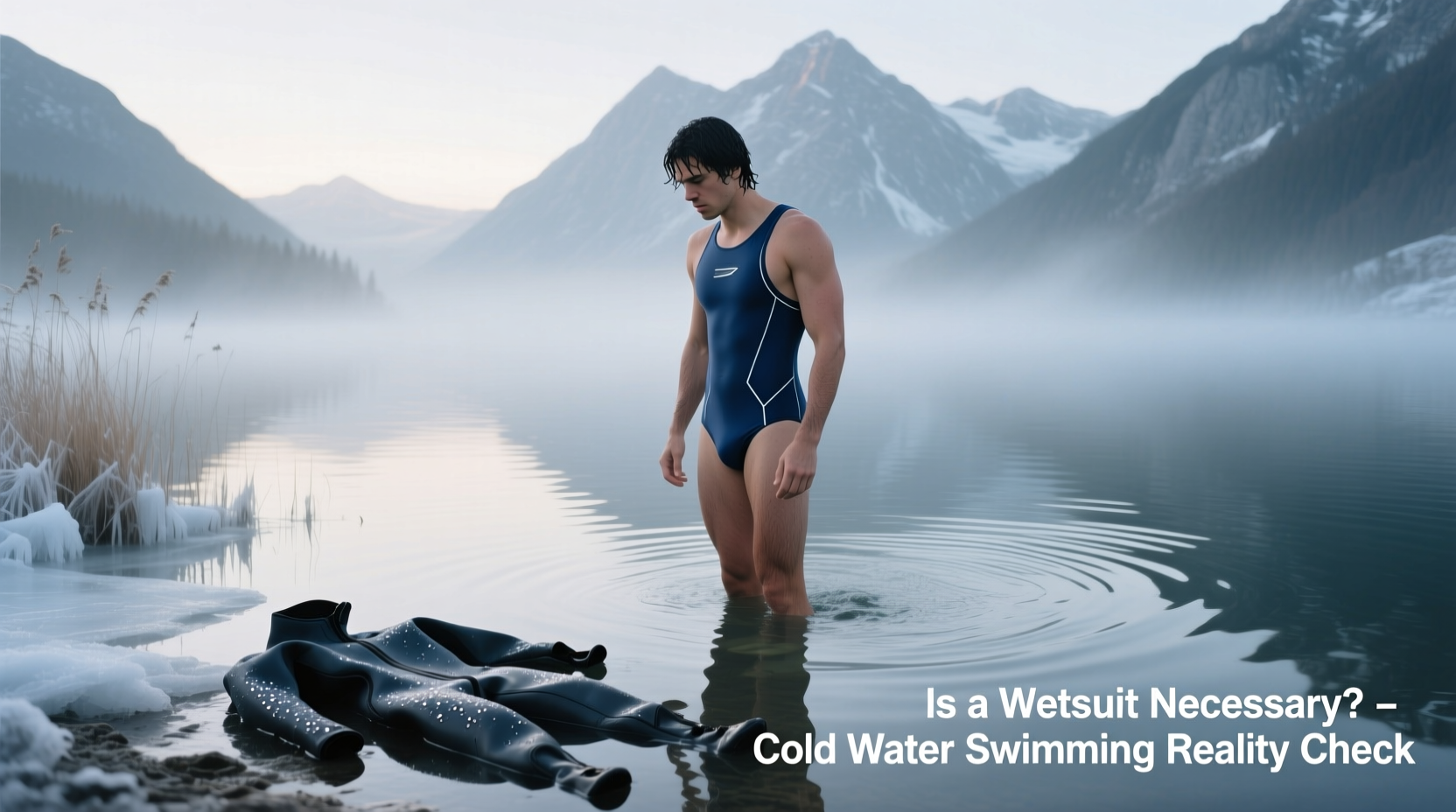
Water conducts heat away from the body 25 times faster than air. Even water that feels only slightly cool—say, 15°C (59°F)—can lead to rapid core temperature drop during prolonged exposure. The dangers include:
- Initial gasp reflex: Sudden immersion triggers an involuntary inhalation, which can lead to water inhalation if underwater.
- Hyperventilation: Cold shock causes rapid breathing, reducing carbon dioxide levels and increasing dizziness or fainting risk.
- Reduced muscle control: Within minutes, peripheral nerves slow down, impairing coordination and increasing drowning risk.
- Hypothermia: Core body temperature below 35°C (95°F) impairs judgment, leads to confusion, and can be fatal.
A one-piece swimsuit offers minimal insulation. While acceptable for short dips in moderately cool water, it provides no meaningful thermal protection in temperatures below 18°C (64°F), especially beyond a few minutes.
Tip: Never dive headfirst into cold water. Enter slowly to manage your breathing and allow your body to adjust.Wetsuit vs. One-Piece: A Thermal Comparison
Wetsuits work by trapping a thin layer of water between the neoprene and skin, which the body then warms. This creates a buffer against continuous heat loss. Modern suits range from 2mm (light protection) to 7mm (extreme cold).
In contrast, a typical one-piece swimsuit—whether polyester, nylon, or spandex—absorbs water and offers zero insulating value. It may reduce initial skin shock slightly but does nothing to preserve core temperature.
| Swimwear Type | Insulation Level | Suitable Temp Range | Max Safe Duration (approx.) |
|---|---|---|---|
| One-piece swimsuit | None | 18–24°C (64–75°F) | 3–5 minutes below 20°C |
| 2mm wetsuit | Low | 15–18°C (59–64°F) | 10–20 minutes |
| 5mm full wetsuit | High | 8–15°C (46–59°F) | 30+ minutes |
| Drysuit | Very High | Below 8°C (46°F) | 60+ minutes with proper gear |
For context, the English Channel averages 16–18°C (61–64°F) in summer—where elite swimmers often wear only swimwear—but even they limit exposure and have support crews. For recreational swimmers, relying solely on a one-piece in such conditions is risky without extensive acclimatization.
When a One-Piece Might Be Acceptable
There are scenarios where skipping the wetsuit makes sense, provided strict limits are observed:
- Short, supervised dips: Entering waist-deep for 60–90 seconds in water above 16°C.
- Gradual acclimatization: Regular swimmers who’ve built cold tolerance over weeks or months.
- Controlled environments: Managed wild swimming spots with lifeguards, warm changing areas, and quick exit access.
Even then, individual factors matter. Body fat percentage, age, circulation issues, and prior cold exposure history influence resilience. Women, on average, may feel cold sooner due to higher surface-area-to-mass ratios, though subcutaneous fat can offer some protection.
“Cold water adaptation is real, but it’s not immunity. I’ve seen experienced swimmers collapse after five minutes in 12°C water because they underestimated the cumulative effect.” — Dr. Lena Patel, Sports Medicine Physician & Cold Water Safety Advocate
Step-by-Step Guide: How to Decide What to Wear
Follow this decision framework before every cold water swim:
- Check the water temperature. Use a waterproof thermometer or trusted local reports.
- Assess your experience. Are you new to cold water, or have you swum regularly below 18°C?
- Plan your duration. Less than 2 minutes? One-piece may suffice. Longer? Strongly consider a wetsuit.
- Evaluate conditions. Wind, waves, and current increase heat loss. Add layers accordingly.
- Have emergency gear ready. Always bring warm clothes, hot drinks, and a towel—even if wearing a wetsuit.
- Enter gradually. Wade in over 60–90 seconds to minimize cold shock response.
- Listen to your body. If shivering begins, exit immediately. Shivering means your body is losing heat faster than it can produce it.
Mini Case Study: Sarah’s First Winter Dip
Sarah, a 34-year-old runner, decided to try cold water swimming in November at a popular lake known for its “refreshing” reputation. The water was 11°C (52°F). She wore her regular black one-piece, assuming a quick 2-minute dip would be safe.
She entered quickly, gasped, and began hyperventilating. After 90 seconds, she tried to swim back but found her arms sluggish. A friend pulled her out. Though conscious, she was disoriented and shivering violently. Onlookers wrapped her in blankets and called paramedics.
At the hospital, she was diagnosed with mild hypothermia. The doctor explained that even brief exposure at that temperature could overwhelm unacclimated individuals. With a wetsuit and gradual entry, the outcome might have been safer.
Sarah now owns a 5mm wetsuit and follows a 6-week cold adaptation plan before winter swims.
Frequently Asked Questions
Can I build up a tolerance to cold water over time?
Yes. Repeated, controlled exposure trains your body to respond more efficiently to cold shock and reduces the initial gasp reflex. However, this doesn’t eliminate risk—it only improves management. Acclimatization takes consistent sessions over 4–6 weeks and should never replace safety precautions.
What’s the coldest water someone can swim in with just a swimsuit?
Technically, some trained ice swimmers enter water near 0°C (32°F) in competition. But these athletes are highly conditioned, supported by medical teams, and limited to under 1 minute. For most people, anything below 15°C (59°F) is unsafe in a one-piece without expert supervision.
Are there any alternatives to wetsuits for insulation?
Yes. Thermal rash guards, neoprene swim caps, gloves, and booties add protection. Some swimmers use “semi-drys” or hybrid suits for better mobility. However, none match the full-body coverage and insulation of a quality wetsuit in cold conditions.
Essential Checklist Before Any Cold Swim
- ✅ Check water temperature with a reliable source
- ✅ Inform someone of your swim time and location
- ✅ Wear appropriate gear (wetsuit recommended below 18°C)
- ✅ Enter slowly—never jump or dive in
- ✅ Limit time based on temperature and experience
- ✅ Have warm clothes, towel, and hot drink ready post-swim
- ✅ Avoid alcohol before or immediately after swimming
- ✅ Know the signs of hypothermia: shivering, slurred speech, confusion
Conclusion: Prioritize Safety Without Sacrificing the Experience
Cold water swimming offers profound physical and mental rewards—but only if approached responsibly. While a one-piece swimsuit may seem sufficient for a quick dip, the margin for error shrinks rapidly as temperatures fall. A wetsuit isn’t just comfort; it’s a safety tool that extends your safe window, reduces shock, and protects against life-threatening hypothermia.
You don’t need to wear a wetsuit forever. As you build tolerance, you may choose shorter swims in lighter gear. But respect the water. Start conservatively. Protect yourself first, and let the experience deepen over time—not at the cost of your health.
💬 Have a cold water swimming story or tip? Share your experience in the comments and help others stay safe while enjoying the thrill of the plunge.








